Wednesday, May 09, 2012

My 2012 Missions Support Letter

"To know the will of God, we need an open Bible and an open map." – William Carey

A few months ago, I worked with some student mission leaders and gave them the paradigm of being a mapmaker. One step further than Mr. Carey, this idea conveyed that in times of constant, disruptive change, you could learn to read a map or you could learn to make your own maps. This summer, I have the opportunity to be involved in two interesting projects that fall under the mapmaker paradigm.

Most of you know about my little student missions nonprofit called The Ember Cast. I'll be helping lead a team with Ember to Queen Creek, AZ, working with my friend Ben Cloud and Amadeo Church. The team will see up close how a relatively new church works, learn about starting a new ministry in some detailed sessions with Ben and contribute to some community impact projects that form a structure that allow our team to be catalysts for what God may do in the Amadeo community. Ministry activities include serving with ReStore, their food and clothing pantry; Friends Feeding Friends, their homeless ministry; and various other community projects. Most or all of the Sheng's will probably participate on this team as well and this trip is July 7-16. My grand hope for this team of leaders and students is that this experience propels them on a trajectory where instead of reading maps, they start making their own.

The second project is with Grace Community Church, our home church. I have been invited to be on a 'vision' team, which will scout out the possibilities of some potential ministry partnerships in Brussels, Belgium as part of Grace's long term global strategy. Our team will have meetings with a variety of ministry leaders and will be observing, listening and discerning from June 28 to July 4. Our hope is that this experience helps set up a clear map with regards to potential partnerships for Grace in Europe.

We welcome and thank you for your prayers for both of these experiences. If you feel led, I'm raising 50% of support for both trips. The support target for Ember 2012 AZ is $1500 [for all the Shengs] and the support target for Brussels is also $1500. Unfortunately, support for both organizations must be kept independent, so that requires two separate donations if you give to both.

Ember believes that missionaries of the future will rely on a 'portfolio of revenue.' In other words, they will need to actually make some money outside of personal donations. As part of this summer, each person, including me, is asked to dream and execute a 'Creative Revenue Plan.' My Creative Revenue Plan involves providing one teaching session on the Myers Briggs Type Indicator personality assessment for interested individuals and teams. We will walk through each person's results, talk about how it fits with a team and discuss the assessment in the context of their organizations goals, structure and culture. All proceeds will go to supporting the Ember 2012 AZ team. If this is something you or someone you know might be interested in, please let me know.

Get in touch if you want to send financial support. If you are local and want to donate, let me know and I will come buy you lunch. Please make sure your checks are payable to either The Ember Cast, Inc., or Grace Community Church, depending on which project you feel led to support.

You may also contribute online to The Ember Cast. Online donations are done via amazon.com - be aware that Amazon takes 2.9% + .30 for each donation. The Ember Cast is a registered 501c3 nonprofit and you will receive a receipt for your donation approximately 6 weeks after your donation is received. The Ember Cast reserves the right to re-direct your support in the case that the person you are supporting is 100% funded. However, 100% of donations go to catalyzing global student leaders. Your donation is very, very much appreciated.

As always, thank you for your long standing passion for student missions. I'm convinced, like you are, that we need more global leaders than ever and that those leaders come out of students who are poised right now to make a difference in our world. I will be sure to tell you not only how we make maps this summer but how we make mapmakers that go on to mark human history. Thanks again for your support and prayers!

[Related: 2005, 2006, 2007, 2008, 2010, 2011 Mission Support Letters]

Friday, May 04, 2012

Friday Burn

::: Student Debt is Killing the Church
5. Student Debt Squelches Ecclesial Entrepreneurship.
Link via Rudy


::: Religious Census in Orlando
Surprising. And you know how much the Shengs love Orlando...
Link via Jon Tyson


::: Why It's Hard to Invest in Exponential Growth
Link

Photo: Ember guides Emily Swinburne and TayEst, Philly, November 2011.

Wednesday, May 02, 2012

Book Notes - I Will Teach You to be Rich

If you are under the age of 30 and have never read anything about managing finances, you should read this book. Although this may seem like a slightly off-topic post for this blog, I think it's relevant because:
1 - In my context [suburban, affluent, missions mobilizing] finances are very relevant.
2 - I meet a lot of suburban students that want to be poor. In most cases, this is an incorrect posture for future ministry. [I should probably unpack this idea huh.] Finances is an integral part of this decision.

Instead of notes from the book, a few things I learned and are doing.

1 - Credit Score
Instead of the standard get a budget, track your expenses, emergency fund, 401k, etc. [If you don't know what any of those terms mean and you are over 20 years old, you should be embarrassed. Please get some financial education.] The book opens with the topic of credit score. Simply put, getting the best credit score will save you tens of thousands of dollars over your lifetime. Part of this is paying off your credit card balances in full every month, which means having self discipline when it comes to spending. No one talks about credit score when they teach you about finances.

What I did: increased overall credit limit on our primary credit card, because credit score is related to credit utilization.

2 - Automatic Payments
Pay yourself first - take money out of your paycheck first, putting it into a savings account. Systematize paying your bills.

What I did: Start paying fixed costs [cable, internet, phone, utilities] on a credit card. First, I put these onto a card that gets airline miles. [Our primary credit card gets points for a 529 college fund for our children.] Secondly, this helps build credit history, related to credit score.

3 - Bargain Shop
What I did: Researched lowering fixed costs [cable, internet, phone].

4 - Reallocate 401K funds
Yeah yeah - this is a middle aged man point. But whatever. If you have a job that offers a 401K, sign up for it - this is called paying yourself first.
Lots more on the I Will Teach You to be Rich blog.

Monday, April 30, 2012

Exploring A Different Youth Retreat Model

This post is not meant to denigrate anyone - just food for thought. My daughter just got back from a retreat and had a great time. =)

For twenty years, I've been a youth ministry volunteer and the primary model of taking your youth group away in the fall and spring has not changed. I've served at them, overseeing cabins of students, I've spoken at a few of them, I have helped plan them. The very name that we call it, "retreat", communicates the paradigm - we take kids away to rest and relax. With the most missional minded generation ever, we should be exploring a different model.

Most of the great youth pastors I know serve in the context of believing their students can change the world. A high school student can exert influence, start a micro business, create a ministry from scratch, lead others to a richer, more sacrificial life. They know that kids should 'live on mission.' But when it comes to dreaming and planning times away with their students - almost 48 hours of life on life - they choose a paradigm that says 'live to rest.'

Jesus primary model of discipleship was on mission, on the move, for the sake of others. They certainly rested, but it wasn't until after there was some ministry breakthrough. They worshipped when they had returned from living life on the edge.

Elements of this model would include: teaching on catalytic leadership, some nontoxic charity service project and hyper worship - worship after you and your best friends have seen God come through in a big way. This type of weekend takes different kinds of planning. And of course, the term 'retreat' never, ever gets used.

If this sounds interesting to you, Ember would love to help you explore it.

Friday, April 27, 2012

Friday Burn

::: The next generation of anti-malaria efforts
An insecticide-treated wall lining for the interior of homes - think of aesthetically pleasing wallpaper. Link


::: 30 ways to love your city
Link via The Upstream Collective


::: Fascinating article about Homeboy Industries
Link
See the progression from self to serving to systems...?


::: Olympic athletes also fundraise
Link
This is creative revenue.

::: The Christian faith never exists except as 'translated' into a culture. -David Bosch @dansadlier

::: There is not one demon in the universe who is an atheist - Wayne Cordiero @alanhirsch

::: Live the kind of faith that ought to require seatbelts @bobgoff

Photo: Ember guides, helping prep short term student teams, April 2012.

Monday, April 23, 2012

Ember ethos - part 2

+ When we put a high school student into a leadership role that could be tenuous, we lean towards more, not less, risk and we communicate that to student.
+ Guides are given honest, relevant feedback about their performance right after a project they have been involved in. This feedback is meant to be near real time and is saved as lessons learned.
+ All leaders involved in a project decompress a project right when it is over. We remind everyone about the concept of unfiltered debate before the conversation - so we talk about the good, bad and the ugly on purpose and without making it personal. [Jim Collins]
+ Sometimes our Guides lead people who are much older. Sometimes they will be lead by someone much younger.

I'm more convinced than ever that the organization structure and values of a team are just as important as the character and passion of the people involved. I have the privilege of helping define a culture for an organization that I would want to work for.

Related: Ember ethos part 1

Friday, April 20, 2012

Friday Burn

::: JK Rowling's plot notes from Harry Potter
Link
via Ben Arment


::: Releasing Your Disciples
Most churches don't focus on disciple-making and if disciples do rise up from within their congregation, they don't release them. Instead, you see disciples tethered to the home church, defining the kingdom in terms of the needs of their own metroplex and local congregation.
Link


::: Who and How Often
Entreprenuers guide - Who to keep in touch with and how often
Link via Praxis

::: In times of rapid change, experience could be your worst enemy. - Paul Getty via Alan Hirsch

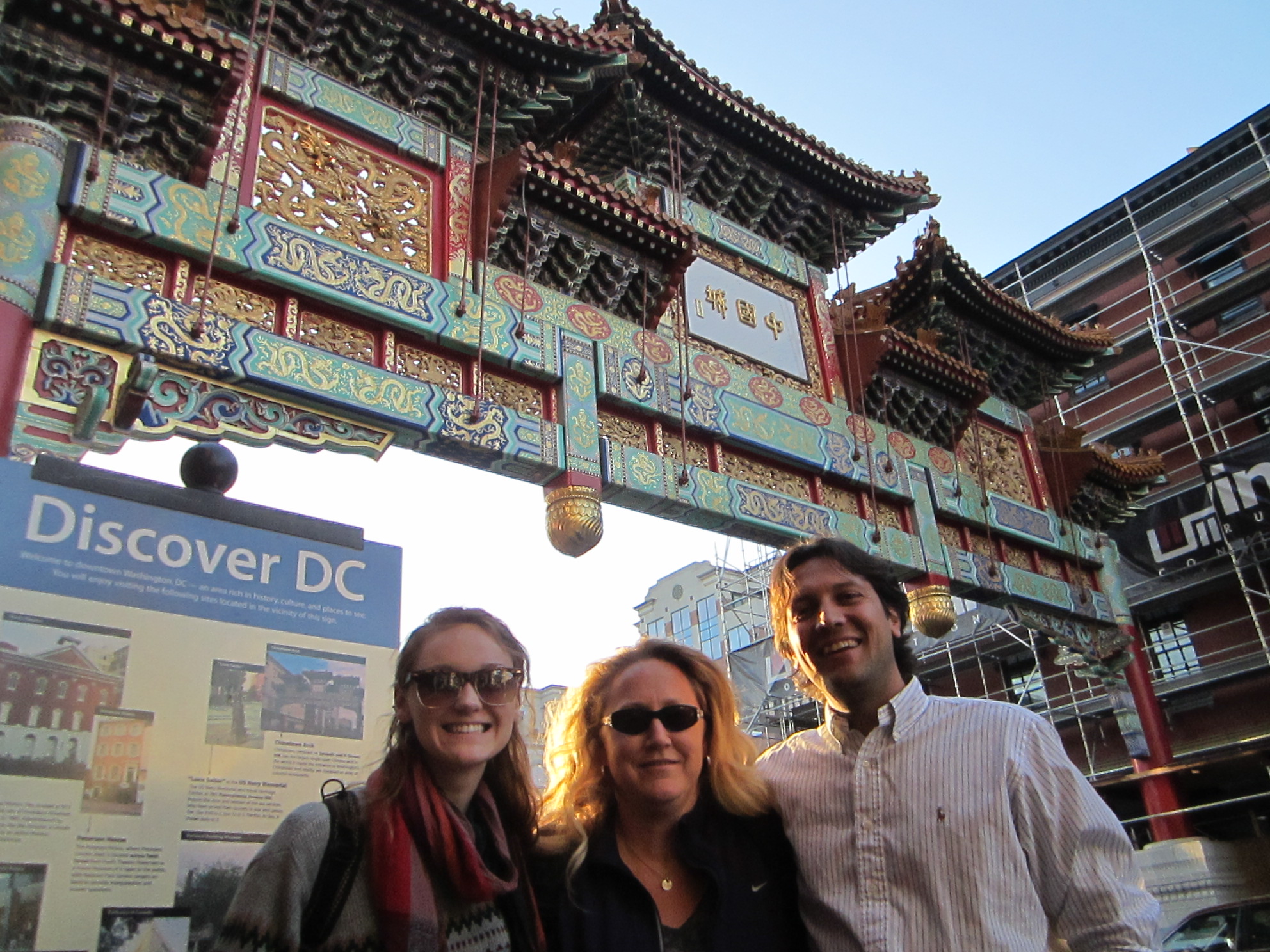
Photo:Carolyn [2011-2012 intern], Carver [2011-2012 Ember Impact Coaching participant], Matt [church planter, The Well Silver Spring], Chinatown, DC.

Wednesday, April 18, 2012

Detailed Short Term Mission Team Preps

Had a fantastical time with Ember guides facilitating a short term mission prep experience this past weekend. Here's the big picture on some of the values, activities, working documents and systems behind this training experience for the student teams at GRACE [my home church.] As always, feel free to steal what you can contextualize.

Friday night was a leader only experience - participants were leaders that were leading various student mission trips this summer - Uganda, New Orleans and Baltimore. The targeted concepts included navigation, team work, and an urban/cultural immersion. As our Ember team prepared, we landed on the idea of having the leaders travel to multiple locations in Washington DC and doing some kind of learning exercise at each location. Each location was distinctly different in cultural context, a key to this experience. Another key to this exercise was also done in the context of being a 'mapmaker' - you can be taught how to engage a specific culture or you can learn how to navigate cultures and make your own maps.

Leader teams departed right from the church with a set of minimal instructions and made their way to the first destination where our guides met them. From there, our guides traveled with them to the next 2 destinations, observing and debriefing when appropriate, and then all teams met back at Union Station to talk about the whole evening. This included conversations about being sent and being God's people on the move, being a mapmaker and different facets of teamwork. There is no better place to talk about movement than Union Station.

Saturday included a general mixer, some team building exercises and a series of quick 10 minute teaching rotations on sharing your story, global world realities, case studies in culture and contextualization and movement thinking. We wanted teams to experience working together as well as get some informal teaching. The more teams spend together before they hit the mission field, the better. The team building activities are always a big hit - high school kids should learn by doing.

From an Ember guide perspective, the working documents needed for this project included: instructions for Friday night activity [just enough directions - not too many], a debriefing how-to guide, and instructions for each of the team building activities. Regardless of the documents, each guide needed to be 100% engaged - observing the leader teams working [or not working] together or how teams did the team building activities, etc.

Our 6 Ember guides did amazing [amy, trevin, lexi, carolyn, kristen.] They navigated the unknown, improvised when needed and engaged every leader and student to think about the values each activity tried to impart. I'm not only proud of the work they did, but I'm proud of the culture of Ember that they are propagating. They trust each other which provides the foundation for unfiltered debate as we evaluate the event. Our evaluation was over lunch right after the event ended. An added plus if you are a guide: I write a feedback letter to every guide after every event where they have served.

See some pictures here. If you are involved with student mission teams and are interested in missions team preps, get in touch.

[Related: Mission Advancing, NY Mission Cast, Mission Preps with Bay Area]

Monday, April 16, 2012

Praxis Labs Culmination Event

I attended the Praxis Labs Accelerator Culmination event [Easter Monday #2] and dragged Trevin Hoekzema along. It was quite an event and I'm really glad I went. 10 startup social entrepreneurs gave their 5 minute pitches to the audience, we heard from a panel of the accelerator's advisors and we voted for 3 finalists on who should get $100K in capital funding. Lots of elements from this evening embodies the 21st century missionary. Some notes from the advisor panel below. I'm also writing a report for Ember's board of directors. Let me know if you would like a copy of that [tonytsheng AT theembercast.org].

Henry Kaestner
God centered organization - faith, family, work, fitness in that order - Bandwidth.com has those very public values.
Important traits of leaders: why they do it and can they articulate the reasons why

Managing growth and scaling and organizational culture:
It is one thing to acquire and retain customers
another issue to retain employees
employee retention speaks directly about the culture of the org
how committed are the founders to creating the culture of the org - this is done with input and intention
culture is defined at the early steps of an org

Steve Graves
scalability - better reason to scale than 'just because i can'
launch -> prove -> scale
you can skip the prove step with lots of resources - money, network, etc.
why do we scale? should we scale?
we must prove the right things, especially as people of faith
feed and nurture the person and the org
there is a composite score of life - husband, father, employee, neighbor
you must manage and lead yourself in multiple roles
live a life of healthy grace - juggle - realistic expectations

Josh Kwan
past investing has been based on guilt or feeling good about ourselves
calling, purpose, accomplishing impact - asking tough questions
social entrepreneurs are the 21st century missionary <<-- this is why I went

Friday, April 13, 2012

Friday Burn


::: The 5 Biggest Mistakes I Made During My First Year on the Mission Field
Link via Larry


::: 21 tips for traveling the world
Link via Chris Guillebeau


::: America's most important airport cities
Link

::: The day will come when an intelligent machine will replace the pastor & 'feeling' shepherded, the church will not know the difference. @skye_jethani

See all the Burn posts here.

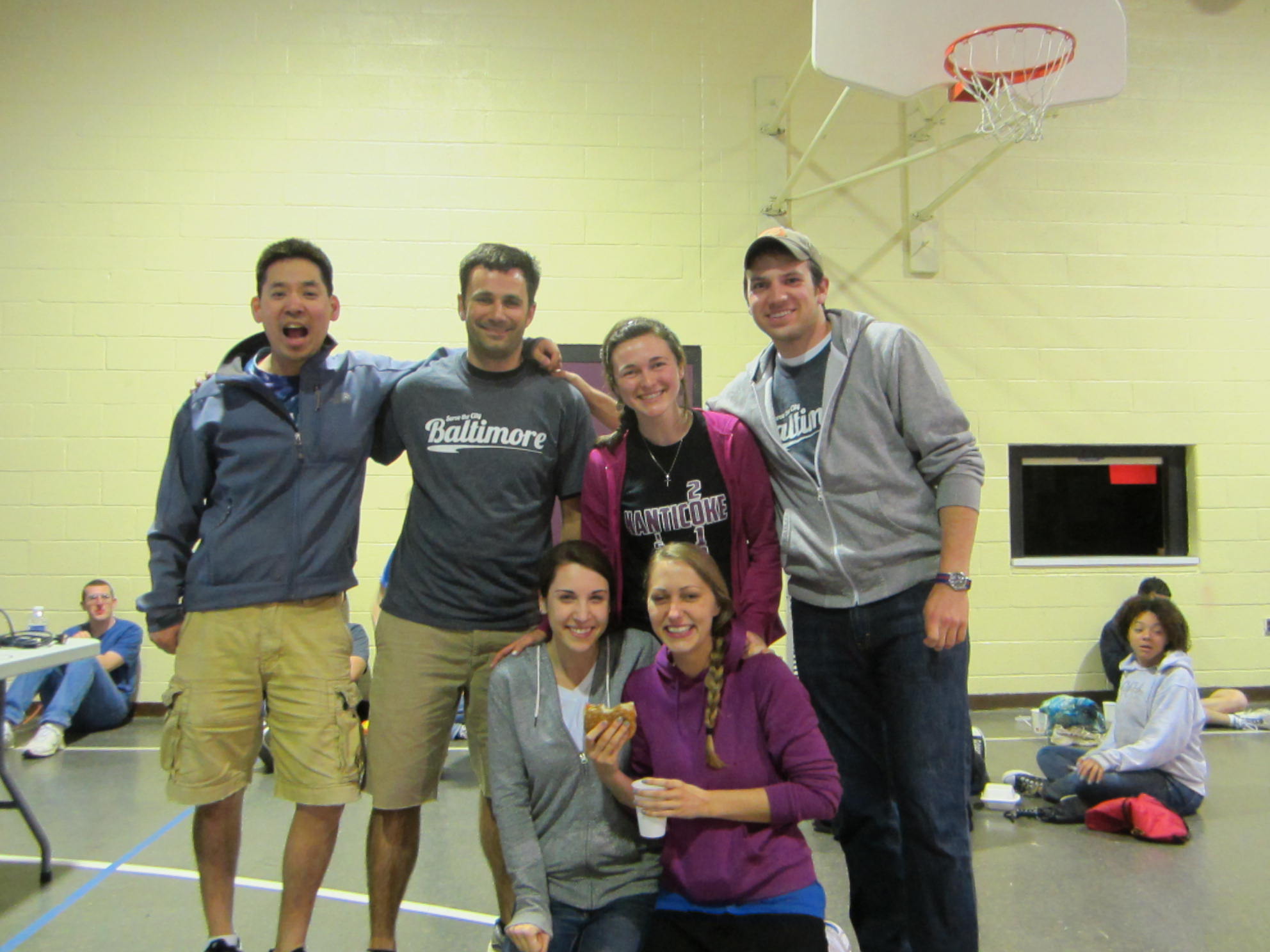
Photo: Ember guides with Patrick Donohue, second from the left, Serve the City Baltimore, March 2012

Thursday, April 12, 2012

Easter Monday #1


Joshua Symonette [that's him standing in the blue] and I first became friends during a Vision Trek guide training weekend in Green Lake Wisconsin in 2008. He's the best example that I know of a leadership maven and he seems to know every ministry leader in DC.

On Easter Monday, Joshua hosted a small gathering of DC ministry leaders around the topic of diversity. Not only diversity of race, but of economic class, thought, and experience. It is undoubtedly an important topic for the Church today.

Loved some of the discussion which included ideas like: the default behavior of Christian leaders should be risk which includes crossing certain lines; the phone book of the leader tells you how diverse they really are; and the impact of the collaboration between Run DMC and Aerosmith for the remix of Walk This Way.

PS - Joshua has his own wiki page too.

Wednesday, April 11, 2012

The Mission Book

Larry McCrary is one of the creators of The Upstream Collective, a different kind of missions organization that exists "to see churches think and act like missionaries." Larry connected me to some great folks for a little project I was working on a few months ago and recently asked me to write a little contribution to The Mission Book.

Short term mission teams are notoriously under prepared. They don't understand how to navigate cultures, they don't know their teammates well enough and they wear the same t-shirts in the airport. Some say that 50% of short term mission teams do detriment to the visibility of long term missionaries - I believe that to be true. I also believe this is easily fixed.

We've had a great deal of success in focusing on three concepts when helping missions teams prepare: serving, movement and awareness. And when you work on these three, you get a team, not just collection of people going somewhere together.
Read more of my entry here.

Tuesday, April 10, 2012

Friday, April 06, 2012

Friday Burn

::: Did You Like Church?
Like we repeatedly say in our services, "We're not trying to impress you, we don't care if you enjoyed the service, we only care if it changes your life."
Link


::: Global Patent Applications
Link


::: How Much Do You Read?
33% of high school graduates never read another book for the rest of their lives.
42% of college graduates never read another book after college.
80% of U.S. families did not buy or read a book last year.
70% of U.S. adults have not been in a bookstore in the last five years.
57% of new books are not read to completion.
Link


::: 12 cities. Urban areas. Saddleback.
Link


::: 6 Powerful Web Tools
Especially number 2 - web photo editing
Link via Dawn Nicole Baldwin

See all the Burn posts here.

Photo: Ember guides and friends [and wife], STC Baltimore. July 2011, Patterson Park Pagoda, Baltimore.

Wednesday, April 04, 2012

Missionary and Third Culture Kids

One of our good Ember friends is collecting some advice and tidbits for a friend who is moving to another culture to teach missionary and third culture kids. If you've got some experience in this arena, like you are a parent of some TCKs, or you have taught them, or you grew up as one, I know Emily would love to hear your advice in 3 sentences. Or pick your brain. Leave a comment or contact info.

Thanks!!

Tuesday, April 03, 2012

Perspectives - Don Richardson

Don Richardson spoke at a Perspectives class last week and I dragged some of our Ember team to it. It was every bit what we expected - great content from a global missions patriarch. Don also coined the term 'redemptive analogy' that I use all the time. Below are some of my notes. Long time readers know that Perspectives started all this silly student missions stuff in the spring of 2003. [If you knew that date, you HAVE been reading a long time...]

For the Sawi, treachery was their highest value. Judas emerges as a hero.
When people live as tribes, tribialism prevails. You only care about yourself.
Cultural compasses:
Indian prophecy of an upside down tree.
Chinese encoding of characters.
Extended family - peace through a new birth.
Abstract concept of new birth.
Jesus spat - nothing related to Jewish culture. He didn't have to use saliva to heal. Marilyn Lazlo - Wycliffe translator and the tribe that related to Jesus healing with saliva. Did God look 2000 years in the future to this tribe?
Could there be some details in the Scriptures not for you but for someone else.
People say missionaries shouldn't go to unreached tribes because they ruin a culutre. This assumes no one else will go - evil corporations, political commercial etc.
87 tribes went extinct in 57 years.
Survivor International - anti missionary organization.
Polygamy - older men sacrifice their daughters to increase their harem. Young men take daughters and leave to different villages. 90% of violence within clans are due to polygamy.
Tribes were addicted to soap and salt.
Missionarys are the object of novelty. Young single men gravitate towards the missionary, while older men feel slighted. Missionary becomes a bad influence in the eyes of elders. Must find a way for the elders to know they matter.
Animistic societies - if people die, its witchcraft. Someone needs to be blamed, who is guilty. Quota of pain - antiBiblical.
Natural symbols suggesting eternal life. Lizard sheds skin. Caterpillar into butterfly.
3 measures of exponential growth - 1st 250 years after Pentecost, the early church
# of believers
# of ecclesia - households
# of culturs in which there were churches
The creeds are missionless. They were written during a dead time for the Church.
Also, there were probably 50-60 people there, lots of different ethnicities. The average age was probably 50, there were maybe 5 high school or college students, I brought 3 of them.

Monday, April 02, 2012

April Kindling

+ Our summer Ember projects are finally starting to take some shape. Lots of adjustment and pushing and pulling.
+ Doing lots of planning for a short term student missions prep engagement. 3 hours on evening with team leaders and 4 hours the next day with leaders and students. Seems like a sweet spot for Ember as well as a conviction - most short term teams seem like they could have done just about anything and been better prepared.
+ Watch for signs of some Creative Revenue Plans coming very soon. Our teams are pretty behind in terms of financial milestones, but we'll give it a shot anyway.
+ The futurist in me is already thinking about Fall 2012. One emerging theme is reproduction.
+ Deanna has lost almost 40 pounds now. The discipline she has shown through this has been incredible. Our 11 year old Em got glasses. I got some lotion for a rash.
+ Reading Mike Breen, Jon Tyson and Vince Antonucci. If that doesn't slam the status quo, I don't know what does.

Friday, March 30, 2012

Friday Burn

::: The Fastest Adopted Gadget of the Last 50 Years
Link


::: Couple Gets Engaged Based on Charity: Water Campaign
Link


::: Young Adults, Cars and Church
Link


::: 5 Strategies to Reach Young People at Church
Will lists some really interesting, and true, facts in the intro.
Because the gift of leadership naturally develops leaders in its wake, a lack of presence with the next generation is a lack of leadership in some way.
Link

See all the Burn posts here.

Photo: Ben Boles and I, Philadelphia, PA, November 2011. Ben has been a participant this year in our Ember Impact Coaching.

Wednesday, March 28, 2012

Nepal and 8th Grade

I sat in a session a few weeks ago where some long term missionaries talked to a group of 8th graders about their ministry in Nepal. No personal details or pictures are in this post on purpose - Nepal is considered a 'closed' country.

What they shared was really interesting but I was even more fascinated with the significant global concepts that they touched upon. Ideas like: unreached people groups, church planting, population density, the caste system, tribal social networks, economic roles, THUMB [tribal hindu unreligious muslim buddhist], The Jesus Film, Buddhist prayer flags, oral versus written cultures, and churches planted to reach the unreached. They didn't dive into any of these in great detail, because certainly each one could almost be its own class. But like I've said before, middle schoolers can understand these ideas. It's our responsibility to intentionally expose them to these ideas.

If you work with middle school students, they already know a ton about the world. Maybe it's time for you to give that knowledge a catalytic filter.

PS - I heard about Nepal twice that week. But that doesn't mean I'm moving there.

Related: Middle School Missionaries

Monday, March 26, 2012

Ember Darley Park

The Ember Cast helped facilitate a service and leadership experience last Saturday for some students at Salisbury Uni via Serve the City Baltimore's Spring service day. If you've been reading along, you know that we've worked with TayEst and her clan of college students for a few years and that they've been doing some pretty remarkable things at school. A few months ago, Taylor asked if Ember could put together a service and leadership experience where they could learn about sustainable community development, based on a desire to learn more about these kinds of principles like outlined in Toxic Charity. I asked my good friend Patrick Donohue if there was a possibility that this could work out for the Serve the City Spring service day and we got Saturday, which worked out perfectly.

Our team heard some teaching about the context of Darley Park, one of the most at risk communities in Baltimore, and go to work with Dorothy, one of the most senior residents of this community that decided that she was going to stay, even in the midst of the community being overtaken by bad people. Our big task, chosen by Dorothy, was to clean all the trash from two alleyways. In and of itself, the actual task would have been pretty good. Knowing that it was chosen by someone who is indigenous to the community [Dorothy] and hearing about the context of Darley Park made it a great project.

Here's some other items of note:
::: Our host, besides Dorothy, was one of the leaders of The Transformational Team, a partnership between the police department, local congregations and local nonprofits. Take special note at the Indicators for Transformation section. Perhaps this is how we should measure effectiveness of our churches.
::: Darley Park context
+ 1 church for 300 people in Baltimore. More pastors and deacons in the city than drug dealers but the mindset of the city is still owned by evil.
+ The level of darkness is greater than the level of prayer.
+ Push back the dark, then minister to needs.
+ Spiritual and cultural initiatives this summer in Darley Park:
art project
jazz on Friday nights
a prayer alter on a porch on every block
+ Is 62:4 The idea of married to the land.
::: There was a police car with us the whole day. I was told later this was by intention.
::: Two key concepts for next generation global leaders: systems and people of peace.
+ Systems - think systemic and systematic. Apply change to the system instead of just the circumstance.
+ People of peace - Dorothy was one of 6 elderly ladies that had a lot of influence in the community. Dorothy is a Christian so that one aspect of a person of peace doesn't quite fit her.
+ Neither of these concepts is taught enough to our high school or college kids.
::: Patrick Donohue, who runs Serve the City Baltimore and is planting Mercy and Grace for the City, is a phenomenal leader.
::: Grace Church used this service day as a launching point for their student teams as part of an overall preparation plan. Mission teams are stereotypically underprepared. This event helped teams grow together before they reach the field.
::: My 11 year old smelled pot for the first time. It didn't go unexplained.

More pictures

Friday, March 23, 2012

Friday Burn

::: More than 2B people live on less than $2 day - here is how they save money.
Link


::: Digital Natives are Slow to Pick Up Nonverbal Clues
Link via Alex McManus


::: 14 Smart Solutions for Housing the Homeless
Link via Mel McGowan

::: "Vision without execution is hallucination" - Einstein via Dan Sadlier

See all the Burn posts here.

Thursday, March 22, 2012

Serving the City - Baltimore

Ember will be participating in Serve the City Baltimore this coming Saturday for their Spring serve event. It should be a lot of fun seeing some old friends in the context of working with some on-the-ground nonprofits doing good work. It's not too late to sign up if you are free and have an interest in Baltimore.

Lots of interesting social and spiritual dynamics moving in Baltimore, including a number of high energy church plants and STC is part of a strategy for one of these plants, which is fun to see. I'm grateful for some connections we have - we will be working with a team of kids from Salisbury again and specifically learning and serving with a community development organization. Sustainable community development has been on a lot of our minds after our Toxic Charity discussion night.

There is a progression from self to serving to systems. At first, we only think about ourselves. Then we develop a habit of serving others, both in terms of events like this one, and in our lifestyles. After having a lifestyle of service, we'll start to look at the systems that can propagate certain social, economic or spiritual issues. Most of our team on Saturday is all the way on the right side of this threshold and I'm excited to see what we all learn.

If you are going to be a STC this Saturday, let me know.

Tuesday, March 20, 2012

Less Than 10 Minutes with Pastor Oscar

I spent less than 10 minutes with Pastor Oscar last weekend. Some random stuff I learned:

+ Incredibly warm and inviting in person. You can be incredibly hospitable even when you are the visitor and that is a rare gift to others.
+ He asked someone what our church's strategy for reproduction is. You must be intentional about exponential growth.
+ Oscar is trying to unleashing church planters and leaders before the age of 28. After the age of 28, leaders start getting married and having kids and becoming much more risk averse.

Had I remembered reading about Steve meeting Oscar, I would have tossed all my other plans and stayed much longer.

[Related: Movements Move]

Friday, March 16, 2012

Friday Burn

::: Nearly One in Four High School Seniors Smoke
and one in three young adults under age 26 despite a half-century of federal warnings about tobacco
Link


::: The Church Foreclosure Crisis
Link


::: Middle Aged Prodigies [hope for me and my peers]
Link


::: A Connectors Guide to Making Connections
Link
I want to be a connector like this. via whitney johnson


::: When WL Gore kills a project. They have a party. @kylewestaway

Wednesday, March 14, 2012

Navigation

It is one thing to teach a student how to be culturally sensitive to a given context. You can teach them how to politely eating bushmeat in Cameroon, to watch both the players and the audience at a soccer game in Brazil, or to only use their right hand in Middle Eastern environments.

It is a whole different thing to teach a student how to navigate different cultures, understanding both the surface icons, what they signify about the culture and decoding the right behavior from that association. Some of the latter also includes lots of observations, talking about these concepts in community and having a learning posture.

You could do this too. Start with asking students to:
+ Identify symbols that are different in their new context versus their home context
+ Tangibly engage in something different, like food, music or language.
+ Explain the relationship between a cultural icon in their school/home/etc and the meaning behind it.

Ember will be doing some of this with students in early April. DC is our playground.

Tuesday, March 13, 2012

Book Notes - Flickering Pixels

Flickering Pixels - How Technology Shapes Your Faith by Shane Hipps. Remarkable read, highly recommended because of the culture we live in and how we maybe hardly recognize it. Some comments in brackets.

Christianity is fundamentally a communication event. The religion is predicated on God revealing himself to humanity. God has a habit of letting his people know something about his thoughts, feelings, and intentions. God wants to communicate with us, and his media are many: angels, burning bushes, stone tablets, scrolls, donkeys, prophets, mighty voices, still whispers, and shapes traced in the dirt. Any serious study of God is a study of communication, and any effort to understand God is shaped by our understand - or misunderstanding - of the media and technology we use to communicate.

The erosion of memory is, in fact, a downside of the invention of writing; however, there is also an upside that Thamus [king of Egypt, debated on the value of writing versus knowledge] failed to perceive. Reading and writing have an incredible capacity to expand consciousness and advance the common good. Consider the Reformation, which challenged the corruption and abuse of the medieval Catholic church. This would not have happened without a rise in literacy among the masses.... Or consider the fact that free democratic forms of government have a tendency to take root and thrive in cultures with high literacy rates. Democracies demand that citizens have access to information in order to make informed decisions. Literacy provides this on a scale that a purely oral culture does not.

The belief that media are neutral tools is only half right. Marshall McLuhan, the oracle of the electronic age, reveals that error of this assumption when he says that "the medium is the message." If the first truth is that our methods necessarily change, the second truth is that whenever our methods change, the message automatically changes along with them. You can't change the methods without changing your message - they're inseparable. [Large ramifications to the idea of contextualization - the Gospel stays the same but is communicated differently in different contexts. This premise says that is not true.]

The broad introduction of literacy into an entire culture completely alters the way that culture thinks. Writing restructures the worldview of entire civilizations.

The printing press had been in existence in China for nearly 800 years prior to its European debut in the 1400s, and yet it had none of the same liberating intellectual effects it had in the West. The simple explanation is efficiency. The Chinese language just wasn't every efficient. Because each symbol in the Chinese language represents an entire word or idea, a dizzying number of characters are required for communication. In fact, that number could be equal to the number of words in the language - the Chinese dictionary has more than 80,000 characters and is still growing. The idea of using the printing press for mass communication in China made about as much sense as creating a computer keyboard with 80,000 keys.

The linear arrangement of pews in churches didn't exist before the printing press.

Printing makes us prefer cognitive modes of processing while at the same time atrophying our appreciation for mysticism, intuition, and emotion. It can make us suspicious or fearful of feelings, especially as they interact with our 'logical' faith.

The Bible presents us with at least two different understandings of conversion, and yet, depending on the cultural context, one understanding is always emphasized at the expense of the other.

The printed word creates fissures in the mind. It makes us prefer distinctions between things. Printing breeds a strong preference for categories.

The radio returned our culture to the experience of the tribal campfire with its shared stories, songs and banter.

If oral culture is tribal and literate culture is individual, the electronic age is essentially a tribe of individuals.

I find it troubling that so many communities of faith are in hot pursuit of these [social networking] technologies. The Internet is seen as the Holy Grail of 'building community.' However, churches will find the unintended consequences of this medium coming back to bite them. The Internet is a lot of things, but it is emphatically not a neutral aid. Digital social networking inoculates people against the desire to be physically present with others in real social networks - networks like a church or a meal at someone's home. Being together becomes nice but nonessential.[This reminds me of The City, which I have some reservations about. Maybe another post.]

To many adult minds, the digital land is a foreign country with strange languages, norms and practices. Parents are undocumented immigrants, while their kids are native citizens of the land and serve as interpreters and gatekeepers.

This shift marks the first time in the history of the world that parents have limited access to the world of teens and children. Go back five hundred years to the dawn of the print age and the situation was reversed. Printing empowered adults. It led to a more pronounced elevation of adults over children. It shrouded the adult world in mystery, leaving children on the outside straining to look in. A child wanting to access adult information was required to learn a complex code - phonetic literacy - which could take decades to master.

The electronic age changed all this by dissolving the information barriers of the print age. … This means even young children can have access to the same information that adults have.
[remarkable chapter Getting Younger on digital generations]

Monday, March 12, 2012

Youth Sunday at GRACE

+ CStolte, 2012 Ember intern, helps lead worship. [didn't get a good pic...]

+ Scott Murrill, current senior high youth pastor, has his last youth sunday - an era ends soon.

+ My daughter shared from the stage. Very, very proud.

Friday, March 09, 2012

Friday Burn

::: Two of the best reads I've found about #Kony2012. Both from Ethan. [I'm thinking you know what I'm talking about, unless you've been living in a hole.]
American sentimentality towards Africa
Unpacking Kony2012
[I might post some observations about this whole thing from the context of our efforts in mobilizing global leaders from the suburbs.]


::: Zipcar's Cities of the Future
Link


::: The Culprits of Quitting
classic Ben Arment
Link


::: Is America Heading Towards A Post Marriage Society?
http://www.theatlanticwire.com/entertainment/2012/03/america-heading-toward-post-marriage-society/49429/

See all the Burn posts here.

Wednesday, March 07, 2012

Eurochurch - Missions and Church Planting

Here's a pretty recent report on church planting in Europe. Dig into it a bit and you'll see lots of different kinds of models of church as well as lots of different kind of leaders involved in these kinds of things. This is valuable for you and I - we are on the verge of the same kind of secular, post-Christian environment. Add to that the mix of the emerging generation that you and I are trying to prepare and a report like this gives us lots to learn. Keep digging and ask yourself how you would do this kind of research and put this kind of report together.

I tweeted about this and of course my friend, Andrew Jones, replied. PS - He's driving their truck through Africa right now. In exchange for a donation to their fuel fund, you'll get what I'm sure is going to be a fabulous ebook about movements in the developing world. It is also going to be an amazing collection of wisdom.

Tuesday, March 06, 2012

Ember Board Meeting #4

I'm always inspired and grateful when I think about Ember's Board of Directors. Our last board meeting was last Friday night again, I'm so appreciative of this group of people that believes in helping you people mark human history.

Here's some quick and possibly interesting-to-you updates:
+ Joyce brought her computer so we could load Quickbooks so she could help on the finance side of things.
+ Matt always asks, "How are you feeling about all of this?" It's a question I've come to expect and really appreciate.
+ We've renamed the 'youth worker coaching' or whatever we used to call it to Ember Impact Coaching. We might even be coaching you in something you didn't realize you needed.
+ Matt is going to help me develop a capacity model.
+ We are going through a dip. We will work with what we have.

Friday, March 02, 2012

Friday Burn

::: The 7 worst international aid ideas
Link via Andrew Means


::: The First Robotic Convenience Store
Link via Mel McGowan


::: Eight key scriptures for community development
Link

::: True role of pastor & pastoring has been lost. Currently most commonly, Pastor=Communicator. Eugene Peterson @guywasko

::: Overheard: the justice conference was 99% white... How is that justice? @djchuang

::: If church is building, u cant send it. If its event, it only happens weekly. If its people, u can send them 24/7 on mission. @JeffVanderstelt

See all the Burn posts here.

Thursday, March 01, 2012

March Kindling

+ Working on notes for an upcoming Ember Board of Directors meeting this weekend. We'll review the past few months, talk about future plans and go over finances. And have a healthy snack.
+ Been trying for months to launch some summer projects - global leadership mission trips per se. Getting a ton of 'nos' and not a lot of 'yes'. It's pretty discouraging and the momentum just doesn't seem to be there for one reason or another. The emotional rollercoaster tied to something you started is really fun.
+ Reading Toxic Charity threw us. In many, many ways. Probably intertwined with the above.
+ The girls finished 2 months of playing basketball in Upwards. They had a great time and the level of 'competitive' play fit our family very well [read: we don't do sports]. I think it's funny that it's meant to be an 'outreach' ministry.
+ Deanna is still doing well navigating diabetes. She has almost lost 30 pounds and continues to be diligent about what she eats and getting exercise. So proud of her.
+ Been thinking a lot about church, extended family, reproduction and discipleship - in connected and discrete ways. Must be the people I follow on twitter.
+ Loving the team that is helping out with a student missions team prep experience taking place in April. So much talent and passion.
+ A college student told me last night that she declined a summer missions trip with a standard college ministries because she didn't want to be led, she wanted to lead. Did you catch that?

Wednesday, February 29, 2012

Book Notes - You Lost Me

You Lost Me - Why Young Christians Are Leaving Church and Rethinking Faith. Let me just say that if the title of this book raises any interest in you, you should grab a copy and read it. There is a ton of very helpful information in here - its very dense with a ton of research. These notes are only the tip of the iceberg.

Also, thanks to Blane Young, who provided me this book free as part of a blog give away.

3 Realities
1. Teen church engagement remains robust, but many of the enthusiastic teens so common in North American churches are not growing up to be faithful young adult disciples of Christ.
2. There are different kind of dropouts, as well as faithful young adults who never drop out at all. We need to take care not to lump an entire generation together.
3. The drop out problem is, at its core, a faith development problem. It's a disciple-making problem.

Even though the childhood and early adolescent years are the time during which spiritual and moral compasses are calibrated, the experimental and experiential decade from high school to the late twenties is the time when a young person's spiritual trajectory is confirmed and clarified.

Access - unprecedented access to information, analysis, opinions, relationships and worldviews.
Alientation - unprecedented levels of disconnection from relationships and institutions.
Authority - new questions about who and what to believe and why.

All things considered, a young Christian has about 1:9 odds of losing his or her faith entirely. While this is a rare outcome, it is a very high number when you think about the estimated five million eighteen to twenty nine year old ex-Christians encompassed by this statistic.

When you have a child, you open up a grave. - Gary Kinnaman

I suggested earlier in this book that we have a mass-production approach to faith development. Taking our cues from public education, among other sectors of society, we have created a conveyor belt of development that industrializes the soul formation of young people - who eventually become adults with inch deep, mile-wide faith. The outcome is adult Christians who were not transformed by their faith as children, as teens or as young adults. [This paragraph should pain most of us.]

Youth group teens who aspired to science-related careers = 52%
Youth pastors/workers who have addressed issues of science in the past year = 1%
[Also think about the projected gap in Science, Technology, Engineering and Math students]

In 1960, one of out every twenty births was to unwed mothers. Now that percentage is 42%.

Jesus was in close enough contact with his disciples that he was able to shape the rough-hewn edges of their faith and ministry. Jesus knew his followers. If your churches are too large to cultivate this type of knowing, then our ministries are likely too large to disciple as Jesus did.

Monday, February 27, 2012

Preparing to Prepare

Some Ember guides and I had our first planning session to prepare for some short term missions training. This one looks similar to, from many moons ago, Mission Advance, one of my favorite experiences ever. Similar in that we will be on the move for some of the time, the experience will be focused on building teams and adaptability will be required for everyone, including our team that runs the whole show.

The majority of short term mission teams are vastly unprepared, mostly because they don't take the time to prepare to function together as a team. Fix that singular issue and you've fixed 50% of the issues.

Some of the values we are trying to deliver via this experience include adaptability, flexibility, embracing chaos and servant leadership. Oh yeah, we are going to throw in some of our favorites too.

[Related: Mission Advance 2006, 2007, 2008, NY 2009 Mission Cast, Missions Prep with Bay Area]

Friday, February 24, 2012

Friday Burn

::: 10 Trends That Will Shape Youth Ministry
Link


::: The Youth Ministry Hotline Experiment
Link


::: 9 Things Successful People Do
Link


::: when God is DOING A LOT, you will have A LOT TO DO. just sayin. @markbatterson

::: Church Planter- look at your "LaCE" Language, Culture, Ethnicity = the fabric that weaves tapestry of any given people group or pop segment @robjacobs_

::: CSF Pair11-ACHIEVER/RESPONSIBILITY: I get things done. Sometimes because it feels so good and sometimes because I promised someone I would. @csfguy

See all the Burn posts here.

Wednesday, February 22, 2012

Tools of the Trade

Some quick tools of the trade - maybe these tips will help you - 2012 edition.

+ Action Journal from Behance. Not so much the journal per se, but the thinking behind it. In short, everything that matters is actionable.
+ Twitter - I have a list called the 150. 90% of my interactions come from this group of people, named based on Dunbars number. [Although right now its 168 or something.]
+ Most of the Google products:
+ Google Reader. Just about all web reading can be done via rss now. Not just blog posts although that makes the bulk of what I subscribe to. But did you know you can save a google search and subscribe to it via Reader? I use feeds for terms I'm interested in, like my name, 'student missions,' and other topics I want to know about. You used to be able to grab an rss feed of a twitter search, so again, use that to stay current on something. Rss something you want from craigslist too.
+ Google Docs. For just about any kind of document. Best part - real time collaboration with someone else - you can chat with someone there. Second best part - revision history. Third - use it as cloud storage for any kind of file.
+ Google Chrome. Best part - print anything to a pdf.
+ Google Voice. Calls and texts that you can route to any phone. Get the extension for Voice in Chrome.
+ Google Calendar. Our family uses multiple calendars. My wife has full edit rights on my calendars.
+ Delicious. Yes I still use this. Its Pinterest for men.
+ I used to create a new flickr account every year. I'm not sure I'm going to do this in 2013.

Monday, February 20, 2012

Happy Birthday Deanna

Dear Deanna

As we celebrate your 42nd birthday, I am still madly in love with you. Even in the midst of some challenging health issues over the past few months, you have proved to everyone, and most importantly, yourself, that you have the tenacity, the wisdom and the perseverance to make the latest changes in your circumstances work. You are adaptable and flexible and combined with the gift of your humor, we all know that you will eventually thrive. One day, we will look back on diabetes as an experience for our growth and a step in the redemption of bigger things.

I'm grateful to journey through life with someone who is so resilient in arduous times. Our kids will look back on this one day to realize that you were committed to their best no matter the circumstances around us. In good and not so good health, you are still an example of a life that was meant to be lived, not merely endured.

We've still got a big future. Forever. Love.

Photo: With nephew Chase, February 2012.

Friday, February 17, 2012

Friday Burn

::: Language diversity around the world
Link via Justin


::: Tween couples talk mostly via text and chat
Link


::: What Hiring Mangers Really Want to Know
Link


::: Sparking Creativity in your kids
Link via Scott Hodge

See all the Burn posts here.

Thursday, February 16, 2012

Student Missions Systems - GRACE

This is Carver, who is running the student missions efforts this summer for Grace, leading a gathering of parents and students interested in summer missional experiences. You might note the large crowd of both parents and students that filled this interest meeting.

There are, however, other things you should note.
+ Carver had a whole team of people that worked behind the scenes to get to this point. When you deliver a strategy for student missions to parents, you have already done a lot of work thinking about values and how destinations may meet those goals.
+ Safety is always a question parents have. The world is not safe but you do your best to make dangerous students.
+ Although this is a midpoint milestone for Carver and her lead team, this a starting milestone for these students and parents. The rest of the process includes team preparation, prayer and financial support raising, execution of the experiences and engaging students when they come back.
+ Carver frames her conversation with these parents as setting up these teams for success. Hence the process, which seems like a lot. It works well.
+ In terms of organizational culture, this is happening in the midst of a large church putting a lot of energy behind global missions for around 8 years. It doesn't happen overnight.

Disclosure: Ember is not associated with Grace Community Church although my family and I attend Grace. Grace is one of Ember's 2012 clients.

Monday, February 13, 2012

The Question of Where

Lots of students I meet finish a short term cross cultural experience believing God has called them to that place. The experience was so great, the need is so large, the community was so intimate - the stars have aligned for them to commit to a season of service there. Anecdotally, everyone seems to have a story or two about people they know returning to the place where they went on their first short term experience. I'm not saying that is always right or wrong. I am saying that we do a disservice to the next generation when we don't help them critically think about this kind of calling. There are three filters to help people think through this.

1. Theology of place [not my idea - see Mel McGowan for a lot more about this]
How do the demographics, social movements, economic systems, and Christ following strategic initiatives map to your passion for this location? Understanding these terms for both where we live and where we just spent a season are critical to contextualization and should be a key to being called to a specific place. My suburbs [Howard County, MD] are filled with the teenagers of highly affluent, type A, federal government employees. There are more than 800 languages spoken in New York City. Queen Creek, AZ has a significant native Americans along with an explosion of suburban middle class caucasians.

2. Community
Lots of people come home talking about how great the community they served with was. The church community, the nonprofit community, the orphans and kids, the students. That all might be true - the community might be fantastic. But if you feel called because of a certain community of people, you should play out the scenario of what happens after those specific people leave. The missionary family that you loved hanging out with - sure, they might stay. Or their funding might run out or the grandparents get sick or they want to be closer to where their kids end up going to college. The 30 year long term missionary is almost extinct. Calling to a specific community might lead to you being the only one left. It might require you to create community.

3. Need
Need does not constitute a call. [Bob Lupton]
It may be part of a call, but it doesn't constitute one by itself. Most of us can find the needy within a 30 minute drive of our homes, meaning, we could be called to live at home. The need should be assessed in light of possible dependency issues.

Two final ideas. First, we have seen some good success when we recommend a 30 day rule: people wait 30 days after coming home from a season of service to make any major decision. Schooling, job, relationships, and especially future missions commitments. Secondly, I love this quote from Deb Hirsch. "Romantic love will get you to the mission field but sacrificial love will keep you there." Sacrificial love, the kind that keeps you in the mission field, includes a theology of place, critical thinking about community and a true assessment of needs.

Friday, February 10, 2012

Friday Burn

::: GE - How to Attract, Develop and Retain Global Talent
Link via Steve Saccone


::: Fifty years ago, Norman Borlaug led a team of scientists who created high-yield, disease-resistant wheat seeds that saved a billion people from starvation.
Link


::: The last 50 yrs is all the proof we need to show that simply putting people in small groups will not make them disciples - @JonTyson


::: Most American churches spend 18years inoculating kids against the gospel. - @skye_jethani via Dawn Carter

See all the Burn posts here.

Thursday, February 09, 2012

Personal Pep Talk

If you don't make dust, you eat dust. - Jack Macallister
First they ignore you. Then they laugh at you. They they fight you. Then you win. - Ghandi
People take the limits of their own field of vision for the limits of the world. - Schopenhauer
Courage is doing what you're afraid to do. There can be no courage unless you're scared. - Eddie Rickenbacker
You have to risk going too far to discover just how far you can really go. - TS Elliot via Lon

Monday, February 06, 2012

Teaching Notes - LC 5 Feb

My teaching notes from yesterday, where I spoke to Light Company, our middle school ministry. Notes pasted here below, slides here. Steal what you want, keeping in mind that middle school kids are not too young to learn missiological concepts.
intro - student missions | dteam leader way back | ember

the big idea - if you are walking with Jesus, you are a catalyst for His Kingdom
most amazing time in human history to be a jesus follower
catalyst requires you to live a heroic life - it was

lighter, firestarter, poppers
1 - POTENTIAL
affluence, education, unique in this moment in human history, choice, optimism
more potential than any invention
in every apple there is an orchard

genesis 12
what the world looks like | global poverty | unreached people groups | urban migration
first world problems rap

2 - KNOW - filters | think
tribes
cultural distance
person of peace | lk 10

3 - DO
be a nice person - ST: guy in church who stole someones seat
get to know someone different than you
move from awareness to action
granola bars in your car - homeless ST: stalking homeless man
cupcakes for compassion
LR
take the first step of an adventure
CC
courage
courage, bravery, risk, faith, adventure - this is what christianity looks like
this is the life you want to live
ending story

Friday, February 03, 2012

Friday Burn

::: A Super Bowl in London?
Link


::: Rethinking the Oreo
Link via Dennis i think


::: 78 Shots of the Eiffel Tower
Link via Megan


::: We Didn't Hire a Youth Pastor
Lots in here about futuristic youth ministry, intergenerations and spiritual formation.
Link


::: 3 annual reports I liked
Sevenly
Christian Community Church
The New Thing Network


::: 66% of the US population lives within a days drive of Baltimore! Centers of medicine, economics, and politics! @EllisPrince

See all the Burn posts here.

Wednesday, February 01, 2012

February Kindling

+ Thanks to all of you who have asked and prayed for Deanna this past month. The short story is that she was diagnosed with diabetes and had a few other rounds of other medical specialist visits. Most of those have come back clean with the exception of maybe taking out her gall bladder in a few months. We are navigating low carb/low sugar meals.
+ Cup cakes are still endangered in our house now, just in a different way.
+ Brought on a business development expert to do some training for students involved on our summer teams for their Creative Revenue Plan. People seem to love this when I tell them about it.
+ One intern out of three has continued on from Fall to Spring. It's a busy life these high school kids live these days. Learning about global leadership isn't the status quo.
+ Applications for Fall 2012 high school interns are open. A new requirement is that students do this through school mentorship programs. In this case, a deeper commitment provides more opportunity. I realize we may have no interns in the fall. If you know someone, send them my way.
+ After sending out tons of emails to youth mission people, we are tweaking one dream project for this summer, while another one gathers momentum and the third sits idle.
+ The two youth workers I'm coaching [I use that term loosely] have got some bold stuff going on this summer - so cool to see. Will be posting some of these better practices later.
+ I'm speaking at our middle school ministry service this Sunday. My harshest critic will be my 8th grader.

Monday, January 30, 2012

Global Missions Retooling - GRACE

This past Sunday morning at GRACE was spent diving in to the results of some retooling of the global missions strategy of our spiritual community. Here are some notes from the message. Maybe some of you are in the middle of some realignment of a global missions strategy as well. Take what you want.

Disclosure: I was on a team of people that helped refine this global missions strategy and now serve as one of three advisors to the Global Missions Director. At the same time I am president of The Ember Cast, a student missions mobilization organization. Ember is not associated with Grace Community Church although my family and I attend Grace. Grace is one of Ember's 2012 clients.

Whole Gospel - Whole World - Whole Church
+ Whole Gospel
proclamation and declaration
Mt 4:23 - Jesus preached as well as healed
through the whole portfolio of projects there will be both.
singular projects may look one sided perhaps. [this is a tension to be managed, not a problem to be solved]

+ Whole World
Col 1:6
came up with 5 focus areas based upon current existing relationships
East Africa - Kenya and Uganda
closed SE Asian country - family from Grace moved there 12 years ago
closed middle eastern country - two families moved there in the last year in close proximity focused on a specific people group
Latin America - lots of medical mission teams there in the past few years
Europe - focus area that is embryonic and hoping to grow into something - church + city, not a huge cultural distance, postChristian

+ Whole Church
Panel of people who went Beyond [the name of the missions ministry]
prayer
long term missionary mentoring [lots more to be said on this - the two couples running this are awesome - a one year process for guidance and training for those considering cross cultural service]
small group - adopt a missionary
social justice advocate
kids ministry
short term missions coordinator
17 missional experiences being offered for 2012

Friday, January 27, 2012

Friday Burn

::: The Fastest Growing and Declining Cities in the World
Link


::: Homeless Students in Maryland
Link
ps - what about the transportation issue outlined in this article?


::: Bill Gates 2012 Annual Letter
Link


::: Millennials and Davos
Link via Brad Lomenick


::: Work Life Balance is a Myth
Link

See all the Burn posts here.

Wednesday, January 25, 2012

Grace Leadership Collective 2012

If you are a GRACE person, you should seriously consider coming to the Leadership Collective this Friday evening and Saturday morning. It is one of the yearly events where GRACE gathers her leaders for some teaching, inspiration and community. Remember, the only one responsible for investing in you is you. I will be there Friday night [and sneaking in some Ember guides...] Sign up here.

Disclosure - I was on the creative team for the Collective last year.

Monday, January 23, 2012

Reversing Motown

Last Thursday I talked with Cameron Underdown, one of the instigators behind Detroit Reverse. The next day I chatted with Justin Warns. And last September, some of us were fortunate enough to have lunch with Dan Sadlier. Between these three and the resources of Kensington Community Church, students that live in suburban Detroit have something world class. An opportunity to learn from a team like this happens maybe once in a lifetime. Cam and I spent a little bit of time chatting about what a potential summer project might look like in Detroit for Ember.

Detroit Reverse has a context unique in and of itself: a 50/50 urban suburban partnership, solid Gospel centered leaders and taking place in one of America's former greatest cities who many say could be on the brink of renewal and revival. The present future is urban - make no mistake about that.

Some might ask why Detroit is one of Ember's 2012 dream projects. Because we believe global leaders need to understand urbanization, because great mobilization might include urban and suburban tribes exchanging wisdom and resources, and because we would love to see some amazing students learn from Dan and his team.

If you think this might interest you and your student missions leadership, get in touch.

[Related: The M conference notes ]

Friday, January 20, 2012

Friday Burn

::: Funding Urban Ministry
Think portfolio of revenue. And Rudy is the real deal.
Link


::: 5 Mistakes in Sending
Link


::: Cities That Have the Most Expensive Hotel Rooms
Link


::: Death of the Fringe Suburb
Link


::: Chinese, its the new Spanish
Link via Justin


::: 5 Management Metrics You Need to Know
Link via Rex Miller
flow state percentage
anxiety bordeom continuum
meeting promoter score
compound weekly learning rate
positive feedback ratio

See all the Burn posts here.

Wednesday, January 18, 2012

Reaching the Lunatic Fringe

From the M conference last September, one of the recent best talks on leadership that I can remember.

If you are a leader within the Jesus following movement, note the content of what Vince says. Even better, start to contemplate how he thinks and how he comes to what he says in the talk.

If you aren't involved in any kind of spiritual community, hey, that's okay. Instead, watch this talk and take some notes on how to be a better speaker. Consider his vocabulary and filler words, his intonation and timing and his engagement with the audience.


Monday, January 16, 2012

Friday, January 13, 2012

Friday Burn

::: India on track to be declared polio free
Link


::: Are Youth Pastors Saving the Jobs of Senior Pastors?
Link


::: Free - Barna Group presenting research on Millenials.
One of them here in DC.
Link


::: Superficial Contextualization
When we become primarily concerned with church forms---building, music, service, website design---we dip below superficial contextualization into syncretism, blending Christianity with another religion, in this case consumerism.
Link
Ouch. But make no mistake - consumerism is the air we breathe.


::: The can-opener was invented 48 years after the can. via Joshua Symonette

See all the Burn posts here.

Wednesday, January 11, 2012

Discussion Notes - Toxic Charity

A few months ago, Tayest, one of our Ember guides, recommended the book Toxic Charity to me. Since then lots of other people in my circles have also been talking about it. And Taylor asked if Ember would host an evening discussion on the book, specifically to talk about the ideas and her context of a team of college revolutionaries. Here are some rough notes to the conversation:

+ Participants
Tony, Trevin, Clancy - Ember guides, Lauren - Ember intern
Taylor, Dylan, Rachel, Brooke, Jenny, Wendy, Jack, Nathan - Salisbury students
Glenn - Nathan's dad, professional in intl comm dev

+ Context
Salisbury Uni - core team of about 10 college students who are serving the fringe via off campus ministries
three venues:
God's kitchen - a soup kitchen model
HALO - a womens and childrens shelter and homeless day center
Salisbury Urban Ministries - a soup kitchen model

+ Intro
"Giving to those in need what they could be gaining from their own initiative may well be the kindest way to destroy people."
examples from the book:
free church food pantry transformed into a food co-op
giving Christmas gifts to needy families versus a discount toy store
affluence - this topic may be more intense because we have so much
those who have been given much, much will be required
unique to us gathered here in this room
see more notes on the book here

+ Initial Thoughts
most everyone agrees with the basic premise of the book
difficult to generalize - but most seems very valid
attentive to the spirit - tension of helping and giving in the right way but also being attentive to how God is leading
requires change - not everyone will want to change what they are doing because it makes them feel good
sometimes we are not in charge at the places we serve. not easy to make this kind of organizational change

+ Glenn B, special guest [seriously, read his resume]
agriculture and intl development
peace corps - Guatemala
missionary
a do no harm approach
'we facilitate opportunities for people'
accompanying them, training microgrants, design and implement together
base principle - we don't know what is best for them
physical and spiritual components have to be done together
relief and development

measurement and indicators are important but you can't be driven by them - 'best effort' stewardship

counterpart contribution - onwership, dignity, value,
donor results can erroneously drive a free gift, quota approach

+ Idea Models
[this was totally stolen from Ben Arment, see this and this]
The question is really how to bring some of these ideas back to your context at Salisbury so lets play around with some idea models based on the idea of sustainable charity.
resume writing
cooking in a soup kitchen
toy store versus food co-op [from the book]
church partnership - big clothes swap
CVS or Wal Mart store
addiction counseling/Christian counseling
PAC access center - paradigm for church community development - better practices
survey the population - methodical strengths/skills assessment - value clusters, evaluate the demand in the community for the skills - don't want to train them in skills that are not in demand by the market
skills job training mentoring
homeless paper in DC - Streetsense
lots of resources in the university
someone at God's kitchen thinks the college kids are all actors. can't believe people actually serve like them.

My biggest impression after this group left was that I'm excited to see what they come up with. I think it's going to be an idea model that is completely out of the box.

Tuesday, January 10, 2012

11

Dear Em --

This is one of my favorite memories of you from this past year, when you were 10. This was the weekend we were in Philadelphia helping some college kids with some service projects. Even though you were *only* 10 ;-) , you jumped right in and served as best you could, with people that were twice your age. Compassion and empathy are strong in you - don't let the world make you squander those gifts. You love to help others but don't like to clean your room so much. I think we can live with that.

I think we are in for a big adventure this year. So keep reading your Bible and using it to get to know God better. It's a big world out there - life is full of the unknown and mystery. But even though we don't know everything that will happen, we can trust in Him who loves us and creates all things for good and who wants to use us to help bring that good everywhere.

You still love animals. Your puppy Phoebe knows it. As well as the guy that sold us double the number of hermit crabs for the same price.

Love, DAD

Monday, January 09, 2012

Mission Leader Values

This is the lead team that is taking care of student missions at Grace Community Church in Fulton [my home church] this coming summer. A group of very thoughtful, outwardly focused, believe in the next generation people, they've got some great foundations for their summer teams for this coming summer. Three experiences outlined, a process for recruiting and choosing leadership and a emphasis on making sure parents are in the loop. If you are working a summer missions plan, don't feel intimidated by their progress.

Ember is working with them on helping do some training for their students and leaders and the term 'working' is used lightly, because they already have a ton of expertise and experience. One of the things we started with during this meeting was the question of values - ie: what values do you want in your leaders? They had some great answers including heart for the lost, adaptability, and empowered. What you value should drive what you implement and in this case, Ember will build some leader training around these identified values.

As we build a missions leadership experience for them, we'll probably throw in some other values we think are important for global leaders. I hope they won't mind... More info on that later.

Friday, January 06, 2012

Friday Burn

::: RIP - David Mays
One of our generations best missions mobilizers and missiologists.
Link and see Seth Barnes post.


::: How America Changed in 2011
Most interesting - #2 - Americans are increasingly stuck at home.
Most not surprising - #3 - Minorities are driving growth, replensihing America's youth
Most tragic - #5 - Americans lost ground in income and poverty
Link via Mel McGowan


::: Rob Bell Writes his Church a Letter
Link

See all the Burn posts here.

Tuesday, January 03, 2012

Decoding Culture - Tybee Island, GA, USA


Tybee Island is a beach resort town outside of Savannah, GA and I was there for 5 days last week. Ah yes rough life.
3392 people, 1568 households, 901 families.
Population density is 1326 people/sq mile. [DC is 10065, Baltimore is 7671]
95.93% white, 1.89% African American, 0.56% Native American, 0.85% Asian, 1.27% Hispanic.
Family median income is 58462. [DC is 85198, Baltimore is 48216]

Lots of cultural elements about the Civil War and Tybee's involvement - you drive past Fort Pulaski on the way there. My favorite local story was about TS Chu, a Chinese immigrant who sort of inherited a little drug store there on the island. He built it into a thriving business that stimulated the local economy for many years and eventually owned most of the convenience stores on the island. There is even a street named after him for some of the philanthropic giving he did for residents.

Anecdotally, I noticed lots of ethnicities that seemed to live and work there, many more than I have noticed in previous visits. This included Vietnamese working at Sunrise, a little breakfast shop, an Indian man who has owned the Shell station for over 20 years and a Brazilian lady working in "Waves."

[Related: Decoding Culture: Oranjestad, Aruba; Winchester, VA, USA]

[PS - Thanks to all who asked how D is doing the past few days. Much better and we've got a good plan for managing her blood sugar.]