Showing posts sorted by relevance for query leslie. Sort by date Show all posts

Saturday, April 01, 2023

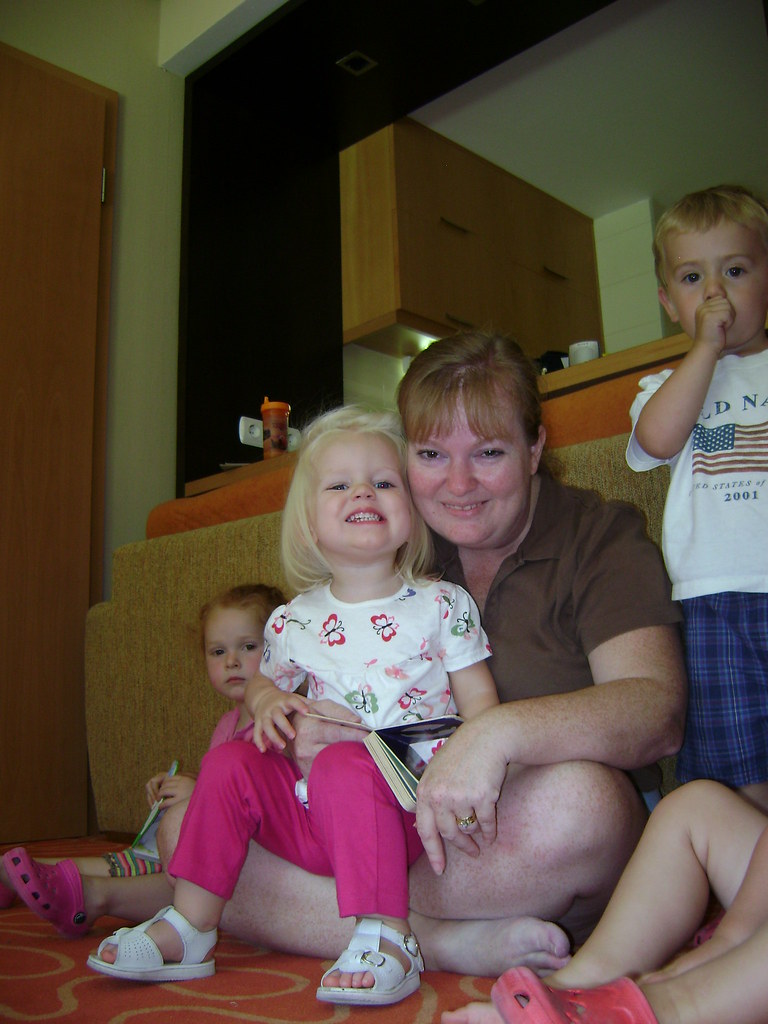
In Honor of Leslie

I first met Leslie in 2003, she was a high school junior and my wife and I had taken on a little project at our church to get kids interested and involved in community service projects, get kids out of the church walls, and maybe a little more. Leslie was probably just out of the adolescent angst phase, barley probably, because she would tell my wife and I that "Tammie Brettschneider was a saint." But just over the angst, because like some young people that age, she wanted a faith that mattered and if that meant bucking the status quo of American suburbia, than damn the torpedos. I mean, who wouldn't love that in a 16 year old? 

Over the next number of years, Leslie would invade our lives with that sarcastic wit, that ball of energy, that maturity and spunk, those random weird faces. From a high school student that led her peers to give up a Saturday for various community service projects, she transformed into a passionate, intuitive, intentional leader of teams. Throughout her college years, she would help me lead 4 different international high school teams, one to Brazil, one to Cameroon and two to Hungary. 

In Brazil, she befriended our missionary host family like an old friend had come to visit, doing the dishes, helping the boys with homework, folding laundry. In Cameroon, she helped me fend off a mutiny by a smarter than her own good 10th grader. Once in Paris, she took our team of 10 to the Eiffel Tower because I was sick in bed. She was a leader that did what needed to be done. 

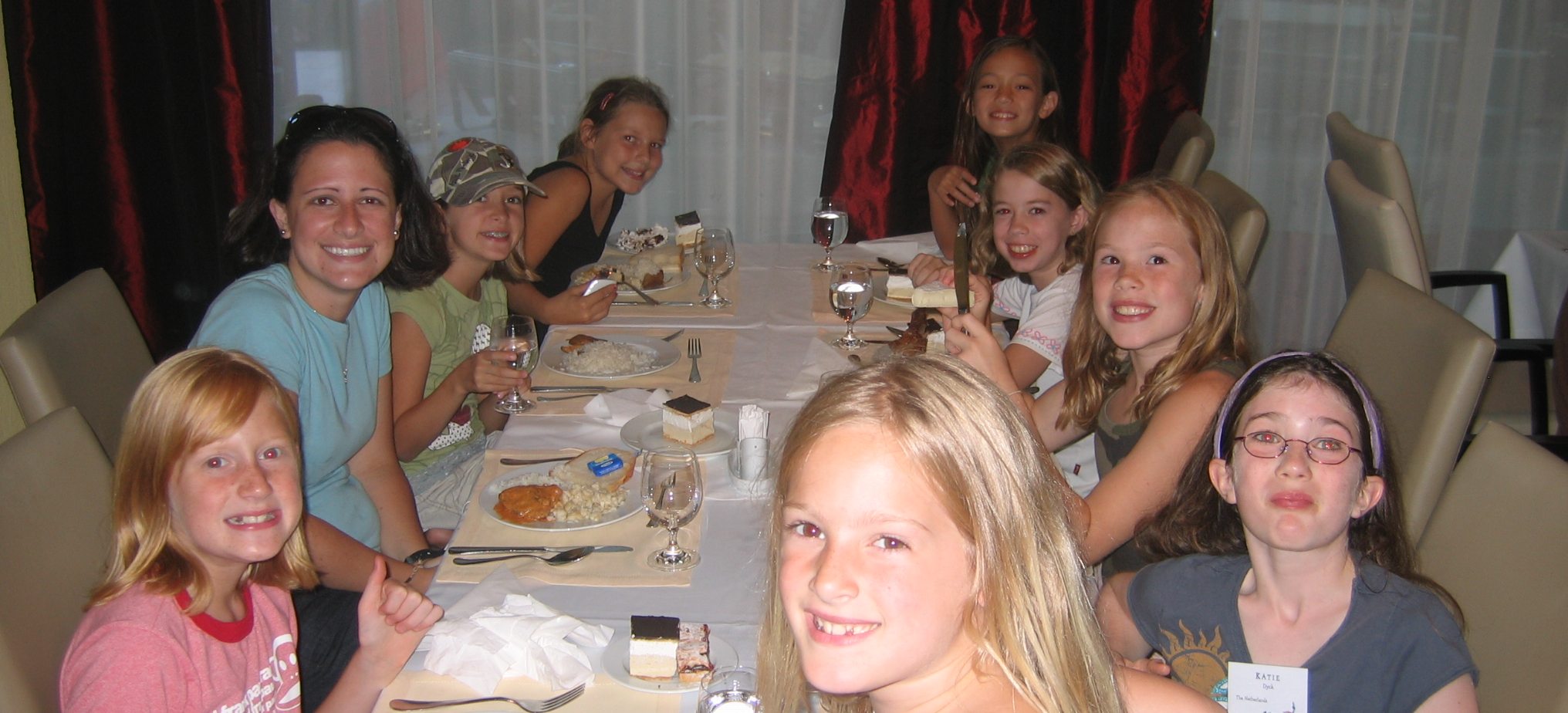
As our team prepared for our second time in Hungary, she helped orchestrate special events every evening for the kids of missionaries. Pirates and Princesses, Wacky Tacky, Campfire nights. Third culture kids are a special breed - unique family experiences, different concepts of home, conversations go deep quick. One of the many images stuck in my head is Leslie hosting a dinner table for middle school girls every night for dinner. No secret now, but she loved people who were going through the unconventional. 

Our family was young during these days, our girls were 10 and 6 when they along with my wife started joining these teams, the two to Hungary. Those are some of our family's fondest memories and Leslie, of course, interspersed that season of life. She lived with us one summer, she babysat frequently and was around a lot. In that season, there was a lot of work around planning, logistics, who does what and where. But underneath it all, there was a lot of dreaming. Dreaming about what we might inspire the next generation to do. Dreaming that apathy and indifference would be put on the shelf for a season. Dreaming that students would sacrifice their all for those hurting and less fortunate, based on the One that first sacrificed for us. Leslie loved to dream and her dreams were the best of ours. 

When I started a nonprofit to do this same kind of thing outside of a local church, Leslie was one of the first names that came to mind for my Board and she served with us again for another eight years. Towards the end of that season, she was fully devoted to her career and we slowly lost touch, which is a current regret of mine. But her wit, spunk, and dreaming all continued to inspire us over those years. 

20 years after I met Leslie, she is still one of the most remarkable people I have ever known. She made our dreams come true. As it says in her obituary, dearly and daily missed.

Thursday, October 04, 2018

Thank You, Board of Director, Leslie Brettschneider

A million years ago, this high school girl named Leslie joined some of our fun when we wanted to engage students to serve local and distant communities, see the world and to call them to stop just existing and start living. She stuck around too, making the transformation from a student to a leader, helping us lead teams for four summers, including teams to Brasil, Cameroon, and Hungary twice. Leslie was also pivotal to some behind the scenes leadership development with SPACE. When I started The Ember Cast, she was on my short list of people that I wanted to lead with.

The rhythm of people's involvement with Ember is driven by seasons - we know I'm the only one who is sticking with this for the long haul. So Leslie's time on the Ember board of directors has come to an end after being here from before the beginning. I am immensely grateful for her time on the board. She has given wisdom and insight to our organization and has always given input with a bias towards action.

Leslie remains one of our bright spots and a model - see the world clearly as a student and you can intentionally carve out a life that serves others. From one of our favorite students to a leader powerhouse, she's working in the nonprofit sector in DC and making moves with some leadership initiatives with a church in the city. And she is the only one that has seen a rock concert with me on a missions trip.

Thank you Leslie. A future that has not even been created is in debt to you.

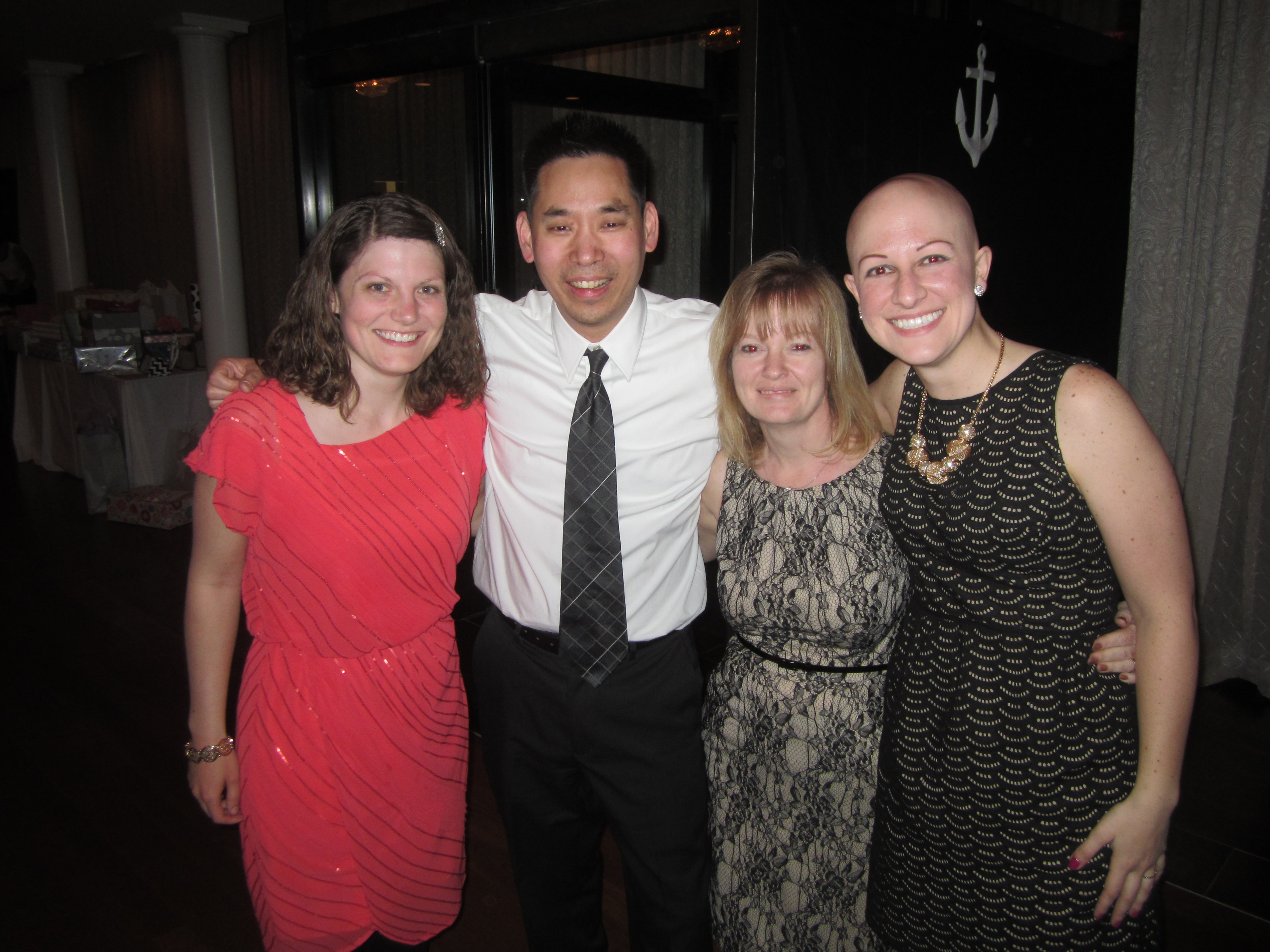
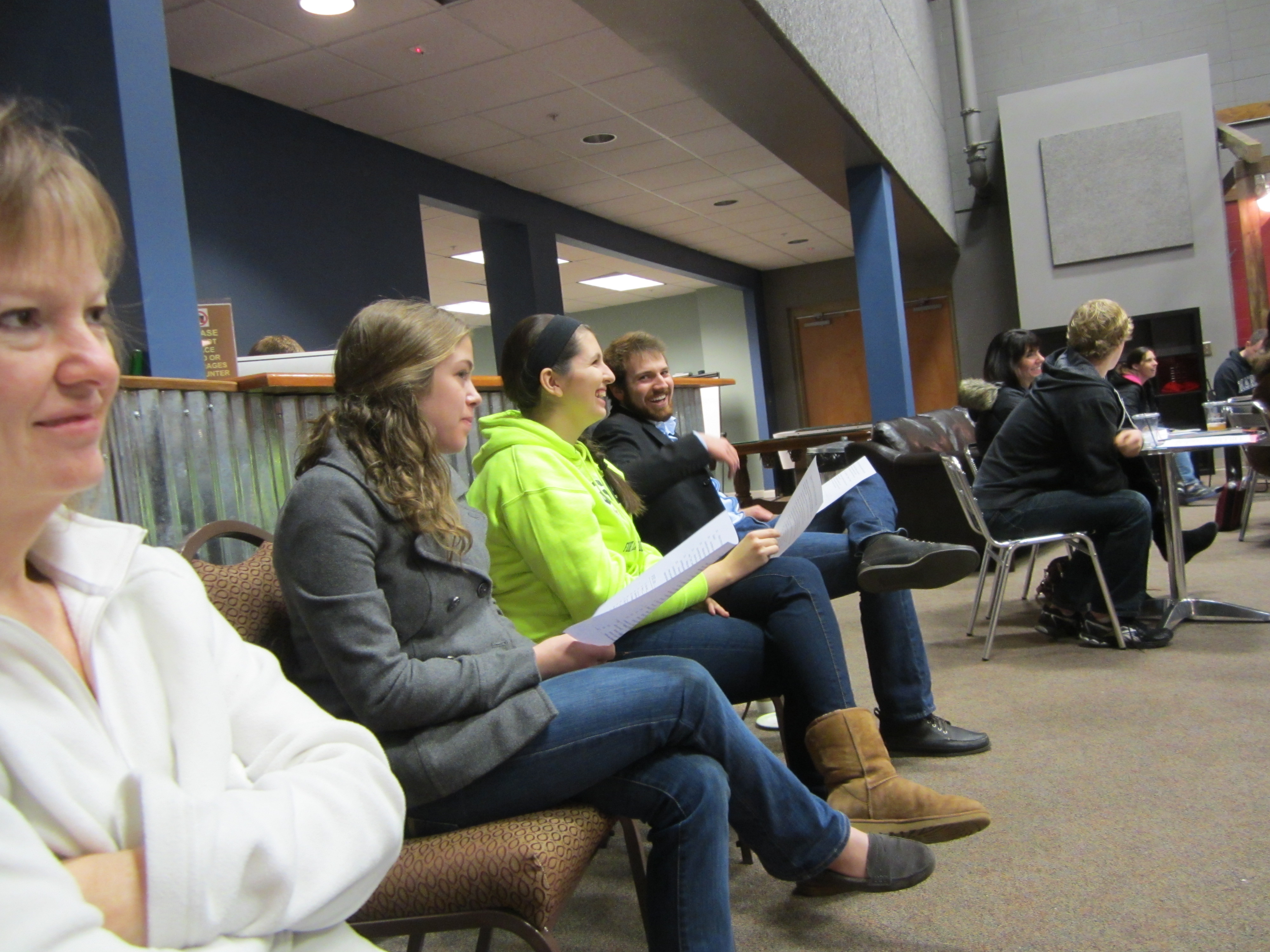
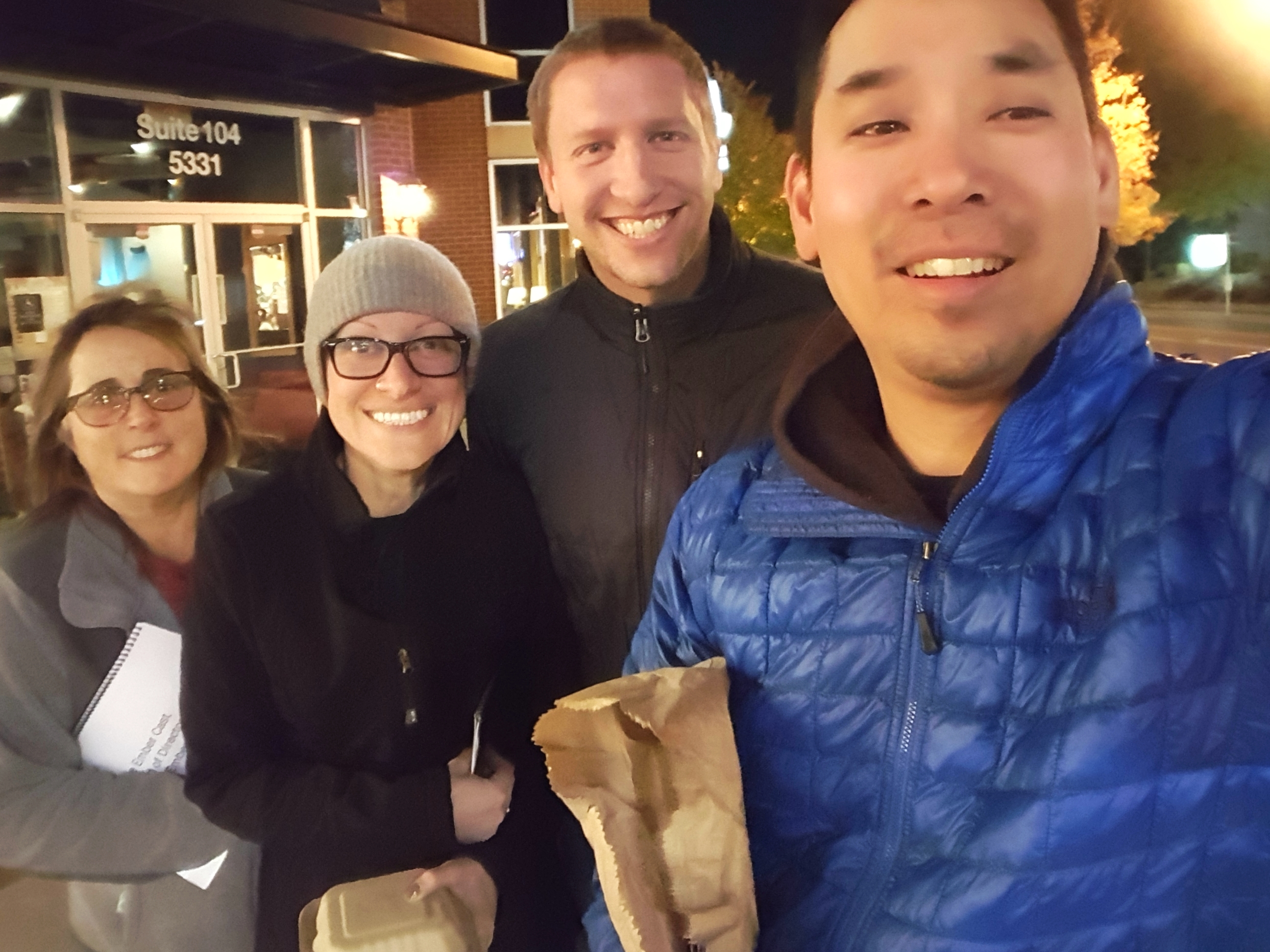
Leslie, 2nd from left, Nov 2017.

Friday, May 23, 2008

Meet Hungary Leader - Leslie

Leslie has traveled with me every summer since SPACE's inception. Our first summer together was in NYC when, still as a high school student, she got to see the global mix of cultures that is New York, as well as see LL Cool J live in concert. Since then she has seen a lot of the world and it’s been our joy to continue to send her to places we aren’t able to go to. Yesterday, she finished a Discipleship Training School that included San Francisco, Turkey and Italy and is now getting ready to move into the old international SPACE office to spend the summer with our family while working here in Howard County.

She's an intellecting, high-achieving, empathetic, developer - meaning she’s going to dream up really sensitive ways to grow our team members, making sure the plans are well thought out and are sure to get done. Don’t be scared if you are on the receiving end of this – I’m very much looking forward to watching her share her life and what she has done in the past few months with the team.

She’s got a heart for Europe and the Hungary trip this summer will continue to forge the desire for those that haven’t yet heard. Our best odds [yours and mine] are to send someone like Leslie far and away when we can, so she can create more people like her.

Leslie has led on Brasil2005, Cameroon2006, and Hungary2007.

Photo: Leslie [on the right] in front of Aya Sofia, Istanbul, Turkey, April 2008.

Monday, August 18, 2008

Leading In and Out

There are things that you should definitely lead on and things that you should definitely not lead on.

Here is what I farmed out leadership-wise on the recent 2008 Hungary team:
+ kids program development details - all went to students
+ producing, directing, editing all the intro videos used in the program - Lindsey/Michelle/etc. [Videos]
+ small group guide - Deanna
+ small group activity book - Deanna
+ all activities for the 9-11 year olds - Kevin and Keely
+ 9-11 year olds and their teaching/skit segment for the daily Bible story - Keely
+ debriefing and decompression activities and discussions, except for one - Tricia and Elly
+ music for the program - Kevin
+ specifics for Theme Nights - team
+ people scoping out best cost options for food in Vienna and Paris - Leslie and Emilie
+ overall team navigation in Vienna and Paris - Leslie and Emilie
+ twice a day daily team devotions based on "Makers of Fire" theme, morning and evening - Emilie and Rachel
+ crafts - purchasing, planning and implementing - Erin and Deanna
+ anything to do with the baby room - Deanna and Leslie
+ empowering our leader team to catalyze these students in any and every way and shape possible.

Here is what I did not farm out, meaning that these were things I directly led.
+ anything to do with budget - nobody spends money like I do.
+ overall direction for spiritual development for our team.
+ connecting and inviting speakers from CA to invest in our team.
+ travel logistics, including airlines, ground transport and nonconference lodging locations - [Deanna and I did this together]
+ a leader breakfast mid conference - mid week checkpoint with our leaders.
+ rotations so our team could attend at least one conference session - basic scheduling for coverage.
+ decompression discussion on "My New Idea of Church."
+ baptism.
+ liaison role with CA.
+ follow up with each one of our leaders - post trip.

I will be the first to admit that not doing everything yourself is difficult, healthy and the way it should be.

Wednesday, April 16, 2014

Visioning

"The quality of a culture may be changed when 2 percent of its people have a new vision." – Robert Bellah
At a wedding this past weekend, [of some of the most missional people I know...] Emilie to my right and Leslie to the left of Deanna. Between 2003 and 2008, we traveled on teams together some 15 times, to destinations including New York City, Orlando Florida, Londrina Brasil, Yaounde Cameroon, Paris France, Vienna Austria, and Sopron Hungary among other places. I counted roughly being on 26 flights with these two.

Emilie is starting medical school in the Fall and was THE student that suggested we explore running an internship in global missions. Leslie is a social worker in Capitol Hill in DC and serves on the board of directors for The Ember Cast. Both were students that erupted into leaders in the very ministry that they grew up in and continue to live on mission right now. Countless students even today are benefiting from a student missions leadership culture that these two helped create and shape and mold.

One of the joys of my life has been seeing Emilie and Leslie grow up and sacrifice all of their being to serve humanity. We are all better because of them.

Thursday, October 11, 2007

LB and YWAM SF

LeslieB, one of our long time SPACE students-morphed-into-leaders, has just been accepted for a Spring DTS at YWAM-SF. In case you aren't up on the latest missions abbreviation lingo, that is Discipleship Training School at Youth With a Mission, San Francisco. A DTS is typically three months of classroom intensive training followed by a two month cross cultural experience.

Leslie has been with SPACE since the beginning, first as a student and then as a leader, she has been on the front lines of helping us move the slow boat as we engage students for the world. A first hand witness to the fun and insanity, she has been a part of raking 300 bags of leaves on a Saturday and teaching English classes to immigrants as well as getting kicked out of nursing homes and locking keys in running church vans. She has also adapted with us, realizing that mission trips aren't solely for the experience, but are only good if they turn students into people that must, regardless of locality, personal cost or structure, while keeping in mind context, long term impact and partnership. She has seen it first hand in New York City; Grove City, PA; New Orleans; Brasil; Cameroon and Europe. And just as important, she has been a part of it at home.

Congratulations Leslie!!! SPACE is proud of you!

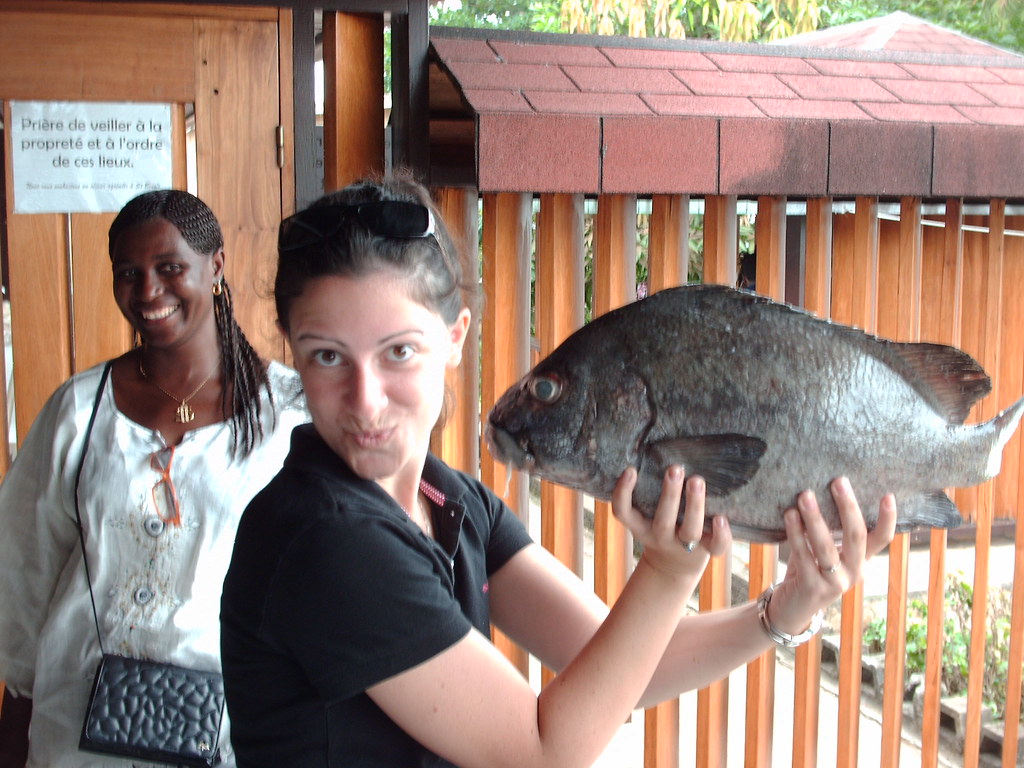
Photo: Leslie, summer 2006, Kirbi, Cameroon.

Thursday, July 22, 2004

Middle school trip

I will be gone tomorrow until Sunday with my second missions trip of the summer. Thats an intersting statement. Does that mean that the rest of my summer is spent 'not on mission?' It reminds me of what they said at Origins, that using the word 'missions' can compartmentalize the idea of every Christ follower being called to mission. Anyway, that's where I will be.
My goals:
- band these kids together with this common experience
- expand their perspective with what a missionary is
- call them to a life of mission and impact

What I've got in mind besides the work projects:
- blind volleyball
- two adult leaders talking about service and unpacking it from inside/outside (holiness, obedience, service, engaging relationships)
- swimming
- mini golf
- a fun, spy type, strategy game that I'm going to make up on the drive up.
Along these same lines, one of the students said to me that they didn't get surprised when I made up plans spur of the moment. Haha I thought that was funny. Cemetaries are the most organized place on the earth, because they are dead. Haha.

Special thanks to Leslie who wrote the devotional guide. Good stuff. (Also the first time that I have linked to a student blog. Leslie you are now famous)

Also, this blog will probably hit the 1000 visitor sometime today or tomorrow. That will be fun. If you know its you, drop me an email and I'll send you a funny digital gift. or something.

Monday, February 10, 2014

Ember's Board of Directors - Everything You Wanted to Know

I've had a few people in the past few months ask me lots of questions about my board of directors: who did you invite to the board, how do you interact with them, what is their role...and questions along those lines. This post is to try and answer most of these kinds of questions all about the Board of Directors for The Ember Cast.

As soon as Ember was approved by the IRS for its 501C3 status, I knew that I needed to put together a board - it's actually required if you are a nonprofit. I took about 6 months in thinking through it and going through a list of people that I knew well and was interested in. At the core, I chose individuals for the board who had a proven history of being advocates and patrons for student missions. They all have experience in this niche area and almost all of these people worked with me during my time with SPACE, a missions component of a student ministry for a local suburban megachurch.

As a side note, you might think that Ember 'started' in 2009. The reality is that what is now Ember was seeded in 2003 when SPACE started and even somewhat before. Lots of pivotal experiences helped me launch Ember and sometimes things start long before you think they did.

The Characters
Leslie was a student when I worked with SPACE and eventually was one of our first students turned into leaders. She gravitated towards our vision and goals and eventually helped me lead four different teams. She works full time in the social sphere.
Greg is a serial technology entrepreneur whose 3 kids we know well and 2 of whom traveled with me around the world. Greg brings an invaluable startup mindset as a small business founder and owner.
Matt is a technology professional and was involved with student small groups for 12 years - in a row. He has multiplied dozens of leaders whose full impact is still yet to be felt.
Dale is a certified StrengthsCoach - combine that with being a maximizer and a soccer coach and he pushes us to be better than we were and to unearth potential that we might not see. He works full time in the construction management field.
Joyce was at a breakfast at the beginning of when our church decided to get serious about involving students in local and global service. That meal together was the beginning of a long arc of impact. Joyce works full time in finance so she brings a financial perspective to us.

How they were chosen
Most conventional thinking about boards is that they bring influence and cash. They are supposed to have lots of connections and in turn can create lots of financial backing. I didn't care for much this advice. Instead I chose two principles that I wanted our Board to be chosen around. First I wanted people that I trusted and people that were passionate about student missions and the impact that could have in the world. Second, I wanted a personal board of advisers. Putting the board together takes intention and thought - I thought of it like a dinner party where you want the best talents and passions of your friends to mingle together through a grand evening. Each guest and what they bring to the table matters.

For more insight into these ideas, read the following articles. I don't agree with everything written in these posts, but there is a lot of wisdom in all of them.
Wanted: A Great Board Chair
The Three Stages of Board Development
A Personal Advisory Board

Board Responsibilities
Responsibilities of this Board are minimal. We have board meetings twice a year [although last year we only had one] and that's the forum where I communicate what we have done and where we are going on a broad scale.

The Board has an open invite to anything that we do. Some of the members have jumped in to various events. There is a wide spectrum on what each of them personally wants to be involved in - some want to stay at the advisory level and some want to jump in here and there. And of course, this is only one small sliver of their lives and leadership. Getting them engaged outside of Board meetings is a topic that I think about a lot.

On certain occasions I have engaged specific members of the Board for specific time bound projects, seeking to leverage their experience and expertise. Dale has done some Strengths coaching for our ProtoGuides. Leslie has connected and given advice to people interested in human trafficking due to working at IJM for a season. Joyce helps me set up archaic accounts in Quickbooks. Greg has listened to me over lunch when I gripe about people saying they are interested but never committing - a common complaint when you are starting something new. Matt has joined teams on community service experiences and joined us in 2012 in AZ for a week with a team.

Although I report to the Board, they give me wide latitude about running The Ember Cast. We have not, until now at least, ran into any issues where the Board has to reign me in. We might get there one day. They are Ember's best advocates and although we don't interact day to day, I know they take the responsibility very seriously.

Communications
During the first two years of Ember's existence, my communications during our board meetings were, shall I say, mediocre at best. They were simple bullet points on a piece of paper. In the midst of that, I started to realize that the Board, even as my biggest fans, deserved my very best. And during one board meeting, I found myself clammy and sweaty as I was going through our notes. I was legitimately nervous speaking to friends that I had known for, in some cases, a decade. Later on, I understood this simple truth: Your board deserves your absolute best and I was sweaty because I was not delivering.

To that end, I now put together a PowerPoint deck with images that serve to tell our story. This deck gets professionally printed and bound and each Board member gets their own copy. If they spend their attention on Ember, they deserve more than a printed Word document. Pay attention to the details and go out of your way to make their time matter. I also print a few extras and have given those to other people who are interested in what they do. Financial details are given out on a separate handout.

During the school year, I also write a staff email almost religiously every Sunday. This email goes to our Board as well as ProtoGuides and Guides and serves to over-communicate to everyone. It is broken up until Past, Upcoming and Future sections and I try to list everything and more. Just this week, I added a Prayer section too, something that I have been personally lacking in on our orgs behalf - hopefully this changes that. Sometimes I throw in something good to read or a provocative quote too. The decision to write a consistent email every week was one of the best decisions I have made in the past few years.

Conclusion
It seems like most people that ask these types of questions about the Board of Directors are in the midst of starting some kind of nonprofit project themselves. What I hear from them is that the task of filling out 501C3 paperwork is daunting and assembling a board is insurmountable. Let me tell you instead, first, that filling out IRS paperwork is easier than doing your taxes. If you know your mission and vision, if you have some clarity on your offerings, and if you have some things you have actually executed, the paperwork will be easy for you. Give lots of thought to those things and that will lead to you finding the right Board.

What is harder than IRS paperwork and the assembling of a board is your great task of changing the world. Articulating your passion, leading your tribe and igniting those around you is the real challenge. But the world needs you doing this. So worry about those things. And one fine evening, your Board will be delighted sitting at the table with you, marveling in the different courses and offerings and tastes of how you have changed the world.

Friday, June 13, 2008

Meet Hungary Leader - KeelyN

Keely is Kevin's better half [I think I'm okay saying that...] and will be really fun to have on our leader team. She's a strong Learner as well as Communication, meaning she is going to sponge up different contexts that we travel in this summer and that she is going to be able to hone our grand lessons to the kids during the conference. She's a high school English teacher by day so she is used to communicating for a living.

Kevin and Keely will be celebrating their first anniversary together while traveling with our team which is symptomatic of their desire to live lives that are extraordinary, investing in the future, and serving the world.

Keely has spent two summers serving in France in 2005 and 2006.

Meet other 2008 Hungary leaders:
Kevin
Emilie
Leslie
Rachel

Sunday, June 08, 2008

Meet Hungary Leader - KevinGN

Kevin was a participant in my high school boys small group [Dteam] from 1999-2003 - he likes to say he was one of the first people in SPACE before it even existed. That's pretty true, since we dragged some of those boys on missional activities as part of their high school experiences, including a week long evangelism project in Baltimore; few days giving money away in Ocean City, Maryland; and serving in New York City.

Kevin is a strong achiever meaning that he will do whatever it takes to get the job done. He is also a strong futurist, meaning that he can envision with me where we are going. And he is a mean guitar player. It will be fun to have some live music with this team - live worship has been an element that I always wanted with past teams, but could never make happen. We've already been scheming together about what the final day of our trip looks like in the city of lights.

Kevin got married to Keely last summer - more on her later - and it will be fun leading with them this summer. Kevin has served in cross cultural contexts such as Kazakhstan and Turkey.

Meet other 2008 Hungary leaders:
Emilie
Leslie
Rachel

Friday, November 09, 2007

Humana2.08

In February, I'm traveling with a team to attend Humana2.08. It's difficult to explain exactly what the conference is, and that is okay.
A national convergence
Of creative kingdom entrepreneurs, catalysts, Church planters, pastors, visionaries, professionals, missionaries and activists

A living translation
Of the immigrant gospel from western christianity present to global humanity future

A leadership matrix
Like no other
I'm most excited about traveling and processing with this team of people - MPM, our logistics coordinator [Trinidad 2005]; JBourq [LA 2006 and NYC 2007]; TriciaB and EllyK, our orbiters [DC 2006, Cameroon 2006, Hungary 2007]; TMurray [DC 2006 and England 2007 and been on numerous middle school mission summers]; and ESunde, our 2005-2006 intern [Cameroon 2006 and Hungary 2007]. And, all the more reason, it's in Orlando. Let me know if you are going to be there.

This is not an experience that will give us a methodology or three steps to try or a program to implement. I'm almost sure that we won't have immediate action items. Instead, it's going to inspire, compel, and impassion us. Again. Because you and I don't need more information or knowledge. What we need is to be reminded why we must.

Related:
: My Humana 2.0 - 2007 post
: One of Leslie's posts from the session on Creativity, Humana 2007
: Thoughts after Origins 2004 - 6 weeks later

Monday, November 08, 2010

Book Notes - Forces for Good

Forces for Good: The Six Practices of High Impact Nonprofits, Leslie Crutchfield and Heather McLeod Grant

12 orgs after thousands of interviews of npo execs.
America's Second Harvest
Center on Budget and Policy Priorities
City Year
Environmental Defense Fund
Exploratorium
Habitat for Humanity
The Heritage Foundation
National Council of La Raza
Self-Help
Share Our Strength
Teach for America
Youthbuild USA

++ Chapter 1 - The 6 practices of high impact nonprofits
1. Advocate and Serve
High impact orgs don't just focus on doing one thing well. They may start out providing great programs but eventually they realize that they cannot achieve systemic change through service delivery alone. So they add policy advocacy to access government resources or to change legislation, thus expanding their impact.
2. Make Markets Work
No longer content to rely on traditional notes of charity or to see the private sector as the enemy, great nonprofits find ways to work with markets and help business 'do well while doing good.'
3. Inspire Evangelists
Great nonprofits see volunteers as much more than a source of free labor or membership dues. They create meaningful ways to engage individuals in emotional experiences that help them connect to the group's mission and core values.
4. Nurture Nonprofit Networks
High impact organizations help the competition succeed, building networks of nonprofit allies and devoting remarkable time and energy to advancing their larger field. They freely share wealth, expertise, talent and power with their peers, not because they are saints, but because it's in their self interest to do so.
5. Master the Art of Adaptation
All the orgs in this book are exceptionally adaptive, modifying their tactics as needed to increase their success.
6. Share Leadership
They distribute leadership throughout their organization and their nonprofit network - empowering others to lead. And they cultivate a strong second-in-command, build enduring executive teams with long tenure and develop highly engaged boards in order to have more impact.

++ Chapter 2 - Advocate *and* Serve
Five Principles for Successful Policy Change
1. Balance Pragmatism with Idealism
They would rather win than be right. They strike a balance between achieving results and maintaining their integrity.
2. Practice Principled Bipartisanship
3. Preserve credibility and Integrity
4. Hire Policy Experience
5. Find Funding for Advocacy

+ Policy advocacy is a powerful force for social change.
High impact nonprofits understand that they cannot achieve maximum results without advocating for policy reform or without accessing the power and resources of government.
+ The best nonprofits both advocate and serve.
Ultimately the two activities reinforce each other.
+ Don't be afraid to jump into the political fray.
+ It's never too late to advocate.

++ Chapter 3 - Make Markets Work
Env Defense Fund and McDonalds' trash issue
Env Defense and FedEx packaging more env friendly and revolutionizing company's truck fleet
Cap and Trade - a market for trading pollution permits

These nonprofits don't seek to act like a business so much as leverage the power of business.

It's hard to change the world without changing business.
There are three ways to harness market forces:
1 - work with business to change corporate practices and make companies more socially responsible.
2 - partner with business to access more resources for their cause
3 - some orgs run their own businesses to generate earned income

++ Chapter 4 - Inspire Evangelists
"I was more interested in building a movement than an organization. The key ingredient of a movement is abandon - you don't hold back. It takes passion, commitment, dedication." - Millard Fuller, founder of Habitat for Humanity

top cultivation events - transform volunteers into evangelists:
City Year - serve-a-thons - one-day local volunteer events for thousands
Share Our Strength - Great American bake sale
TFA - TFA week

High impact groups are particularly strategic about identifying, converting and cultivating powerful individuals or super-evangelists.

For the social entrepreneur, the solution is to make the network not as a tool for information or resources but as a community defined by a common set of values. The community itself becomes the agent of change - Joel Poolny, dean of Yale School of Mgt.

++ Chapter 5 - Nurture Nonprofit Networks
Adopt a network mind-set
Share Knowledge
Develop leadership
Work in Coalitions

Networks are the future [references to Wikipedia, open source software and The Starfish and the Spider.]

++ Chapter 6 - Master the Art of Adaptation
The Cycle of Adaptation
Adaptive capacity is one term used to describe this phenomenon - and high impact nonprofits have it in abundance.
"It is one thing to deliver a program ... [and another] to know where and how to change programs and strategies so that the organization is delivering on its mission. For an organization to be more than the sum of its programs, it needs the ability to ask, listen, reflect and adapt." - High Performance Nonprofit Organizations - Christine Letts

"The limits to innovation have less to do with creativity and more to do with management systems." - Ten Rules for Strategic Innovators

We observed that 'staying close to the customer,' to borrow a business phrase, is the most common impetus for adaptation.

- listen to the environment
experiment and innovate
evaluate and learn what works
modify programs

- what not to do
Many nonprofits fail to find this delicate balance - they are either so freewheeling that their cultures are more chaotic than creative, or they are so structured that they become hidden bound and paralyzed. But high-impact nonprofits are able to work with this tension.

++ Chapter 7 - Share Leadership
These CEOs take the Level 5 leadership concept one step further. They not only put the interests of their organizations ahead of their personal egos, they often put their overall cause ahead of their organization’s interests.

++ Chapter 8 - Sustaining Impact
People - develop a people strategy and invest heavily in top performers. First what, then who. All the orgs we studied are guided first and foremost by their mission, and this purpose is the primary reason a person will take the job. [opposite of Collins - First who then what]
Capital - find the right sources of funding
Infrastructure - invest in overhead, despite the pressure to look lean

+++
Great read. Not that Ember is even close to being some of this, but here's a few ideas that are percolating:
1 - Policy change [chapter 2] reminds me of global missions strategy.
2 - Love the stuff about leadership and adaptability. Knowing that it's an art and not a science.
3 - What kinds of businesses are out there that align with something like Ember?

Friday, June 06, 2008

GCC Missions Video from June 1


[No Meet Hungary Leader post today - maybe tomorrow.] During big church last Sunday, they showed a video highlighting some of the mission projects GCC was involved in from the past few years. I was really happy to see SPACE well represented like : EmGberg, GregM, JWhitt, LindseyK, MichelleK, Nicole, ErinOB, Emilie, Leslie, TriciaB, EllyK, AlecL, JakeC and LynnB among others. Projects included 2005 Brasil, 2006 Cameroon, 2007 Hungary, New Orleans, Uganda, Haiti and Jamaica.

Monday, February 29, 2016

How About the Bad Guys

The past few years has seen a favorable trend in the nonprofit and church world - the trend of tracking what kind of impact these organizations are making in their communities. Are people being helped, are lives being improved, are we doing good things instead of just existing? Metrics include high school graduation rates, poverty in our communities, healthy marriages and the like. Most are calling it a new kind of scoreboard - instead of tracking giving or attendance or growth, we should count these other kinds of things.

There is another type of score that isn't talked about and that is whether the 'bad guys' in your community look out for you and your people. [You can translate 'bad guys' however you want.] They help your visitors when they get lost. They are friendly to you and your teams. They consider you a friend. They know their community is better because you are there. And if you don't have any bad guys in the community you work in, you'll have to figure that out yourself. But this could be considered a leading indicator. When bad guys start to look out for you and your people, maybe you are on the verge of something.

This is an important indicator. It's subtle, obscure, and hard to measure. Here are some examples of it playing out in real life. 1, 2, 3, 4.

* Special thanks to Leslie B, Ember board of director, for spurring on some of these thoughts.

Wednesday, April 14, 2010

Wednesday Burn

::: Catalyst West Collecting
Love that Catalyst West is collecting donations how cool.
Link
Also, my notes from Catalyst West 2009 here


::: Leslie's notes from IJM Global Prayer Gathering
Link


::: Tweet quotes
"If homeless ppl are discouraged from coming to ur church you don't have a church you have a country club." @matthewbarnett

"The classical way you bog down a movement is to lock-down things that only clergy can do (i.e. communion)." @alanhirsch @timastevens

Tuesday, June 02, 2015

Student Mission Team Training

It is one of my personal convictions that student mission teams usually aren't prepared well enough and this conviction has overflowed into The Ember Cast becoming pretty good at helping prepare these kinds of teams. We had the privilege to help architect a training event last weekend and here's an overview of what we did and why. If you are leading a team this summer, it isn't too late to prepare your team.

On Friday evening, we sent just the team leaders into DC to do a variety of things, all while doing some cultural observation and reflection with their leadership team. The cultural observation piece was very similar to our Culture Aixchange last summer and they were asked to reflect on two team concepts: this first quote in this post and the Tuckman model of team development.

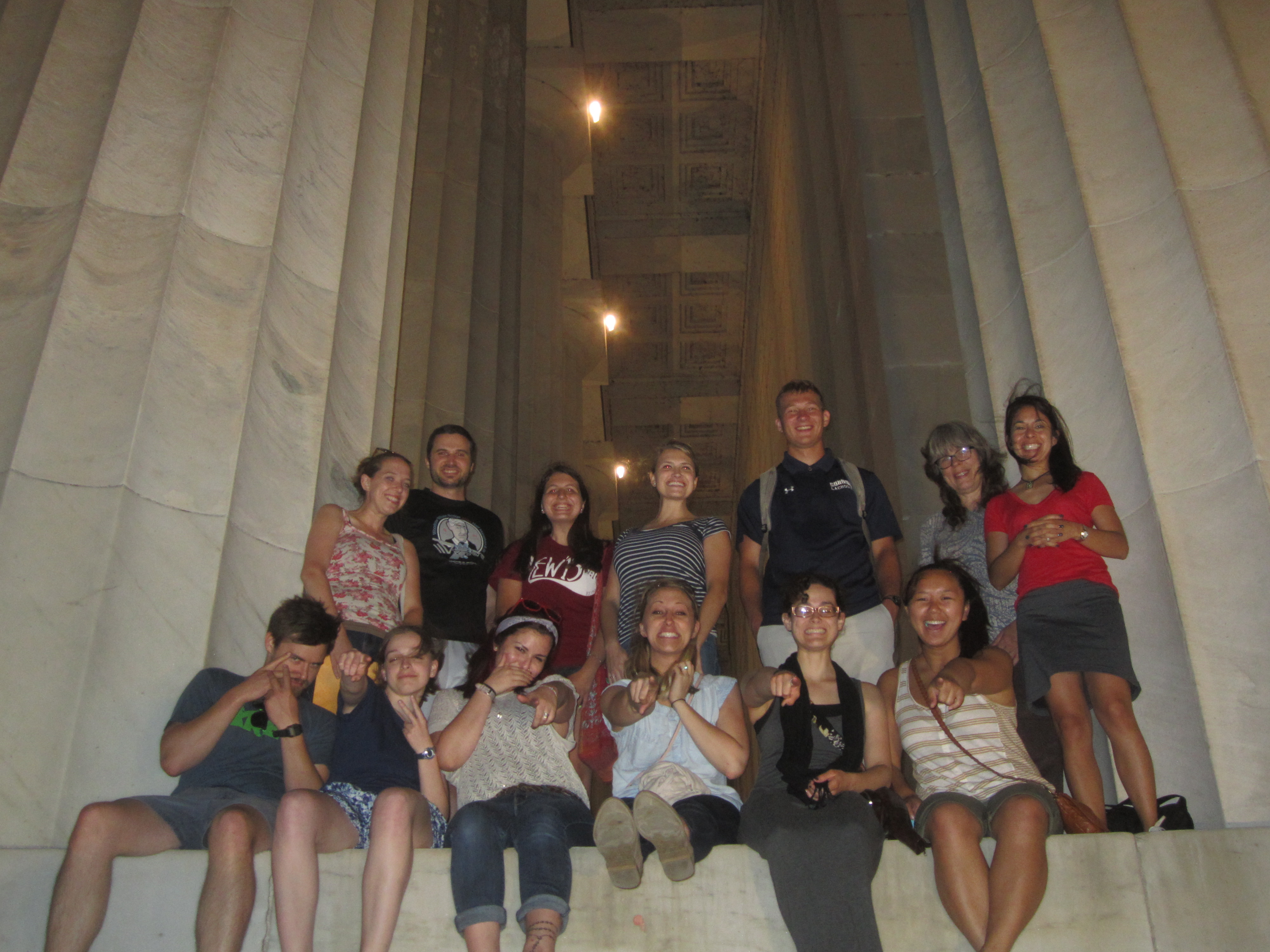
This was not an Amazing Race type of thing, instead, it was designed to make them have to make decisions together, travel together and grow together. We decompressed at the top of the steps of the Lincoln Memorial where we talked about what they did together and why and also a variety of other stuff including: theology of place, innovation in ministry, cities as mission fields, and how they can model this kind of cultural decoding for their student teams this summer. This evening was probably my favorite part of the weekend.

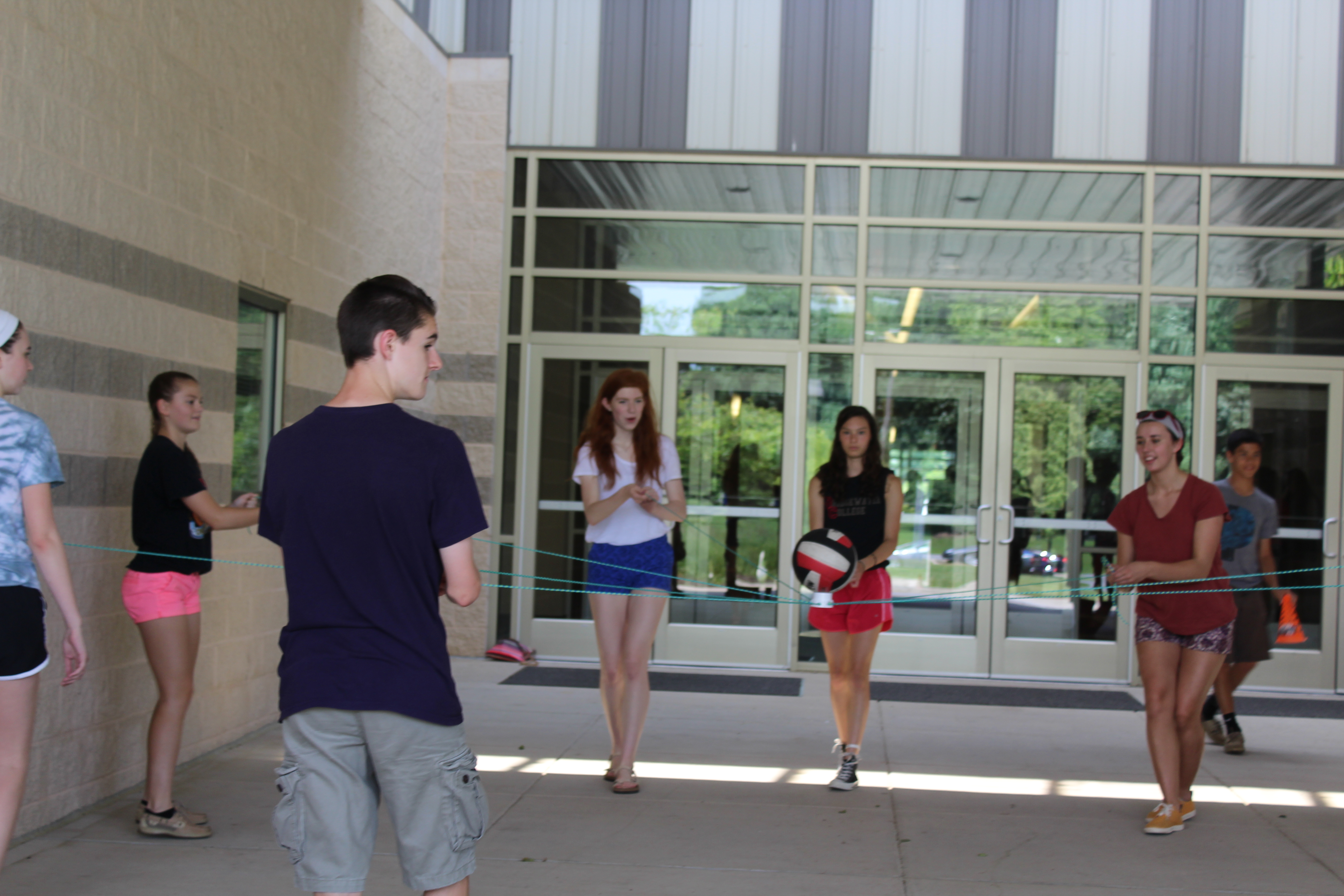
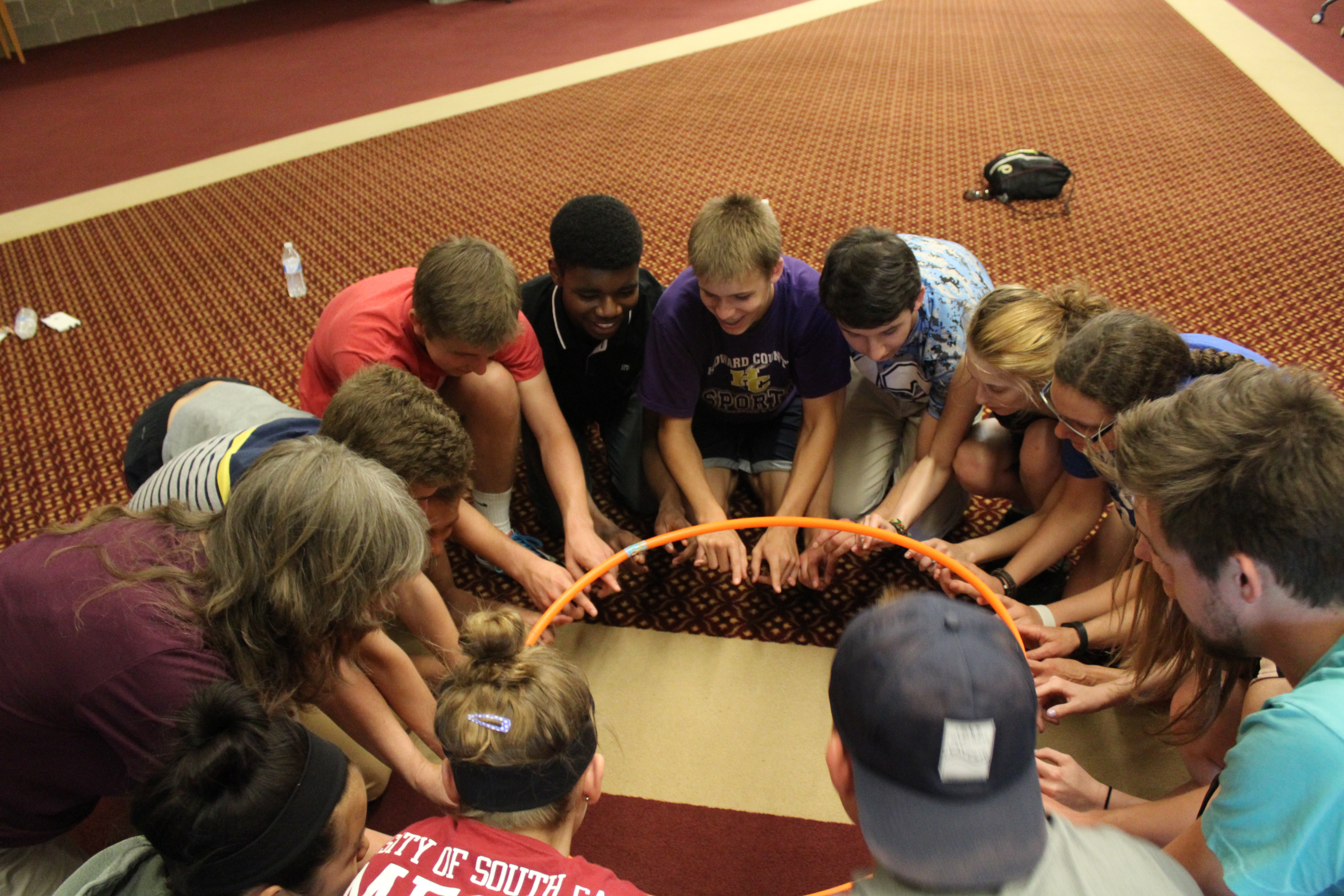
Saturday was with all the teams and there were three elements to Saturday - a prayer time, tradecraft sessions [which we borrowed from the Upstream Collective friends] and team building. Prayer was having each time pray for other teams, not only having them invest some time in praying but also giving them a sense of the other teams' cultural context as well as what they might be doing. Our tradecraft sessions visited the topics of person of peace, contextualization and ambassadorship. Two of the three of these are considered important enough that they are on our core curriculum - meaning that we track how students understand this before and after they serve with Ember. The third team building element was getting them moving as a team performing certain tasks - it's like team building like you know - somewhat campy and goofy tasks. But we do this so teams 'storm' before they get to the field. And lots of storming with those hula hoops.

Lots of people worked together to pull this off. My utmost thanks to Kristen Youngstrom, the Grace student missions lead this year; Leslie B [Ember Board of Director]; HopeK [ProtoGuide 2014]; and TessP [Prague 2015 leader] for running the Tradecraft workshops; the Prague team for helping with the team building activities; and Kristen, Hope, Tess, and KatieV [ProtoGuide 2015] for helping out with the Friday night leaders adventure.

More pictures here.

Monday, November 15, 2010

ACMC 2010 DMV conference

Had a great time at the Advancing Churches for Missions Commitment [ACMC] DC/MD/VA conference on Saturday. Our little group that went consisted of Leslie - Ember board member, Joyce - Ember board member, Robyn - college student/trying-to-figure-out-life, and my 12 year old daughter Kt.

There were some really great sessions and George Verwer, founder of OM, was ridiculous in the two plenary sessions. Ridiculous in terms of very engaging and lots of really good information. I thought my breakout went really well and I had a great time doing it.

Met some interesting people as well as caught up with some old friends doing neat stuff. The quick list:
MBoorman - new youth pastor at Barcroft Bible - they have 6 languages in their congregation
DH - old friend who runs NavYouth, been running open mic nights to connect with students who are musicians, now going to try an experiment with music studios.
Dave Shive - former prof at Washington Bible College, now works for ACMC full time, in his mid 60s but probably has a higher Millennial score than I do. His session on passing the missions leadership baton from the older generation to the younger generation was fantastic - see the notes below.

The demographic was, sorry to be blunt, old. As far as I could tell, there was 2 or 3 people involved with students there. I saw one middle or high school kid - mine. All of this is unfortunate because I think any high school or college kid interested in global leadership would have had a lot of fun at the conference. Next time, Ember focuses on recruiting a whole bunch of students to attend.

Finally, I know they conference organizers had some trouble putting this thing together - last minute issues and cancellations and all that. But it really was a fun day so my thanks to them for their efforts and for inviting me to run a breakout.

My notes to follow - enjoy.

+ George Verwer - Plenary 1
Any missions event in 2010 should start with Thanksgiving. We are making progress.

Acts 13
1. church - the local church
the church is in a credibility crisis
2. worship
3. Holy Spirit
4. Sent
5. Prayer
6. Preached
social concern + proclamation come together
Luis Palau - new kind of evangelistic outreach [related]
7. Helper
George has had 55 personal assistants - all do it for one year and live with him as family, all young men. All 55 are still walking closely with Jesus.

+ Dave Shive - Passing the Baton to the Next Generation lf Church Missions Leadership
'missions activist' - love that term he used
passing the baton has a backdrop of precision

older gen needs to decide if they trust younger gen to create new structures or to micromanage them
older gen needs to decide whether to pass it on, what exactly they are going to pass on, how do they pass it on.

responsibility rests on older gen - form of church is irrelevant to Dave - as a 60 year old, he doesn't need his needs met by a church

10 problems
1. maturation - spiritual growth is important in this discussion - love and maturity between generations
2. alienation - goal is not to alienate
3. stereotypes
young are lazy
old are stuffy
from the audience - a youth pastor and his wife - a lot of this is also based on our expectations of people - they rise or fall to what we expect of them - very very true.
4. change - change is essential - technology also makes us aware of the change faster
5. changing interests
6. control
7. departures - kids leaving the faith/church
8. faith loss - younger people have less loyalty to institutions
9. gender - large issue for men - feminization of the Church
missions used to be the brave thing to do
70% of boys will leave church in their teens and twenties
10. old age - we all die

+ George - plenary II
top 10 impossible countries
1. North Korea
2. Tibet
3. Afghanistan
4. Iran
5. Iraq
6. Saudi Arabia
7. Yemen - Socotra - not one believer on the island of about 50,000
8. Libya
9. Tunisia - few hundred believers
10. Somalia/Turkmenestan

Christianization of America is a greater priority than the evangelization of the nations.

Top Trends
1. most church growth in history
2. house church movement - alpha course, G12 colombia
3. emerging missions
new range of sending countries - from anywhere to anywhere
4. partnership
5. rapid shift to holistic ministry
6. business as missions
7. explosion in short term missions
8. explosion of technology in missions

"I've never had a boring day since my conversion"

[Related: ACMC conf notes - 2004, 2003]

Friday, September 24, 2010

PRESS RELEASE: THE EMBER CAST BOARD OF DIRECTORS

FOR IMMEDIATE RELEASE.

Contact: Tony Sheng
The Ember Cast
301-580-4767
tonytsheng@gmail.com
http://theembercast.ning.com

THE EMBER CAST BOARD OF DIRECTORS

The Ember Cast, a global student leadership tribe, is pleased to announce it's Board of Directors for the 2010-2011 term.

Leslie Brettschneider
Gregory Klassen
Matthew Maloy
Joyce Sabin
Dale Swinburne
Tony Sheng

Bios and more info will be published on The Ember Cast website in the near future.

About The Ember Cast
The Ember Cast is a group of talented, passionate and experienced guides that mentor, resource and inspire the next generation in the areas of global missions, world cultures, and leadership development. We exist to reignite the Jesus fire in each student and to launch them out to serve a world in need. We throw fire. The Ember Cast is a 501C3 nonprofit.

A PDF version of this press release can be found here.

Wednesday, February 27, 2008

Pray for Some Names

Would you say a quick prayer as you read this? This is the 2008 Hungary team, so far. One or two more names later this week, but we would love for you to be thinking of us real quick. [I'll be updating this post when the team is final.]
the Shengs, Kevin, Keely, Erin, Leslie, Emilie, Rachel, Tricia, Elly, Gwen, Lexi, Andrea, Andrew, John, Taylor, Michelle, Lindsey, Jenny, Sven

Friday, March 01, 2013

Friday Burn

::: Why I Left World Vision for Finance
This week's must read on calling, vocation and theology of place.
Link


::: Leaders and the Questions They Ask
My favorites:
4. How do you encourage creative thinking within your organization?
10. How do you help a new employee understand the culture of your organization?
19. What are you doing to ensure you continue to grow and develop as a leader?
Link via Leslie


::: The reality for practically all denominations is that the time has come when the M.Div model of leadership is no longer tenable
If the North American church is to become a missionary movement in our culture, it will need a leadership that is not primarily shaped by executive, administrative and expert roles. These leaders will need to become more like Abbot and Abbesses; men and women whose vocation is cultivating local movements of God's people.
Link


::: Lessons on Leading
So good.
1) Great leadership is measured not by the number of people a leader manages, but by the number of people that leader inspires.
5) The more you give, the more you give.
Leaders recognize that we should feel 60% mastery and 40% stretch in our jobs at any given time
Link


::: Literacy will not be defined by those who cannot read and write, but by those who cannot learn and relearn. - Alvin Tofler @johnsonwhitney


Photo: The back row of Ember guides.