At our church, we simplify these two questions [what skill, where and how can I do it] into a single statement: Whatever you are good at, do it well for the glory of God, and do it somewhere strategic for the mission of God.
What happens during the week establishes the difference between a disciple and an attender. And in our post-Christian age, the weekend is becoming less effective for reaching truly unreached people. Few and few lost people are moseying their way into our weekend services. Thus, equipping disciples to reproduce outside the church, during the week, is becoming vastly more important than having a great weekend show. As our society becomes more and more post-Christian, training members to 'go' will be far more effective than inviting the community to 'come.'
I devour books written by pastors and church leaders who understand how unbelievers think, even when I disagree with some of their applications. "Eat the fish and spit out the bones," I often tell our staff.
Luke goes out his way to show that the biggest advances of the gospel happen through ordinary people. Of all the miracles in Acts, 39 of 40 were done outside of the church. We need to expect that kind of ratio today, too. In our post-Christian age, fewer and fewer people casually “make their way” into churches. The de-churched are becoming the unchurched, who view Christianity the way you or I might view Islam. I wouldn’t meander my way into a mosque, even if their music was awesome or if their Imam was an engaging speaker doing a helpful series on “relationships.” We can’t expect cutting edge music and entertaining speakers to continue doing the trick. People in our day will increasingly have to be reached outside the walls of the church, and that means individual believers living filled with the Spirit is more important than ever.
Furthermore, it seems to me that a lot of missional ministry advocates have overstated the case against attractional ministry. I agree with them that our culture has changed and that people don't flock to city-wide revival services the way they did in the 1950s. But dare we underestimate the drawing, converting power of a Spirit-filled preacher of the gospel? When a preacher of God's Word 'lifts-up' the beauties of Christ, should we really be surprised when the community throngs to hear him?
The bottom line? Faithful ministries pursue both width and depth, because neither is really possible without the other. Depth in the gospel leads to width in the mission.
We must challenge our people to be leaders. Today we end every service with the benediction, "Summit Church, you are sent."
We must empower our people to be leaders.
...if the majority of what Jesus wants to do he wants to do in the community, it shouldn't surprise us that he puts his best vision into the hearts of the people who live and work there for the majority of their hours each week.
Thus, one of our primary responsibilities as church leaders is to help God's people uncover these ideas and to encourage them….
Ministries we own
Ministries we bless
Ministries we catalyze
We believe the great potential for ministry multiplication lies in this last category and each staff member is responsible to facilitate this where they can. We have as a goal the catalyzation of at least one hundred community-blessing ministries out of our church. We might be instrumental in getting them started, but we want them quickly to become 501C-3s with budgets and leadership boards of their own.
Church plants are like teenagers - they only want your money and affirmation and then for you to stay out of their way.
Making more and better disciples ought to be the goal of - and justification for the existence of - every ministry.
Every dollar you spend getting your members engaged in overseas missions will return to you fourfold. When believers see with their own eyes what God is doing around the world, their hearts open, and so do their pocketbooks.
David Garrison, who served for many years as church planting catalyzer for the Asian world, talks about the 'heresy of sequentialism.' Sequentialism is separating into components what really ought to be embraced all at once…. Global missions is part of God's essential recipe for discipleship, not something you get only in Christianity 401. It ought to be present in the first bite.
No blessing that God gives his people is separated from the responsibility to become a blessing to the nations. For example, at the Summit church, we build a global missions thrust into the first stages of our family ministries. Psalm 127 teaches us that our kids are given to us 'like arrows in the hands of a warrior' and (to use the words of Jim Elliot), what are arrows for but to be pulled back on the bowstring of faith to be launched into God's global battle? We quit doing 'baby dedications' and now hold 'parent commissionings', in which parents covenant with the church to raise up their children for the mission of God and to release them freely into that mission whenever and wherever God calls them. I make the parents promise 'If God calls my child one day to a difficult mission field, I promise not to stand in the way, but to bless and encourage my child to follow God." We don't need to dedicate a baby - the baby already belongs to God. It is the parents who need to dedicate themselves to raise up a child for the mission of God.
We challenge our high school students to serve for one month for one summer on one of our global mission teams, and we encourage all students to give one entire summer of their college career to serve in one of our mission projects around the world.
We encourage each small group to adopt both a city service-evangelism project and an international missionary.
I am not against a designated 'missions pastor.' We have a few of them, actually. But their jobs are primarily to catalyze the other pastors to lead them in global mission through their ministries. Our missions pastors should not do missions for the church; they should catalyze missions in the church. Big difference. They should not be leading in missions as much as creating opportunities for others to lead in missions.
Multicultural diversity is in the very DNA of the gospel, and a Spirit filled church will naturally drift toward this diversification. We see this reflected in how the gospel has spread down through history: Christianity has roughly 20 percent of its followers in Africa, 20 percent in Asia, 20 percent in Europe, 20 percent in NA and 20 percent in SA. Every other major religion has at least 80 percent of its followers concentrated on one continent. Christianity, statistically speaking, has no dominant culture. It is the most diverse movement in history.
Our church has asked God to allow us to plant 1,000 churches and bless 1,000 cities by 2050. We want to send out 5000 people as part of those church planting teams. We have started a pastor training school that will train pastors and church leaders. We have asked God to let us baptize 50,000 people in the Raleigh-Durham area. We have asked him to let us be part of major awakenings in Muslim and European nations. Each year we try to give away more money and send out more leaders than we feel we can afford. Only when our giving scares us do we know we are getting close to target.
Every time we send people out from our church, they leave gaps. It’s painful to think about sometimes. More than once, I have had to force myself to literally open my hands to God. Opened in surrender. Opened as a sign that I must take my hands off of one of the most precious earthly things to me—my church. Open as an offering of praise to Jesus’ worthiness and faith in his promise. Open in the belief that God builds his kingdom not as we hold on, but as we let go.
The slightest glimpse of what 'can be' creates more willingness to change than any sermons we can preach. If you want a ministry filled with people coming up with mission ideas faster than you can facilitate them, give people a glimpse of what can be and help them feel what God wants it to be.
Gospel-saturated people become visionaries. The gospel shows us the compassion of God for the world and his willingness to change it. The gospel is the single greatest catalyst for innovation in mission.
Those that know him well say that Jack Welch’s (the legendary CEO of G.E.) greatest gifting was his ability to spot and raise up leaders. An impressive number of CEOs came from G.E. Welch gave away some good leaders, but the leadership culture he created attracted many to replace the ones he “sent.” He knew that multiplication was greater than addition. And that is what we desire as a church, because the greatest ministry power happens not as we add to our numbers, but as we empower and release people into the world It happens when we open our hands to God and say, “We don’t want to be a group of people gathered around a leader, but to be a leadership factory.”
'The deader your gospel the flashier your package' Vance Havner
Showing posts sorted by date for query catalyst. Sort by relevance Show all posts
Wednesday, November 25, 2015
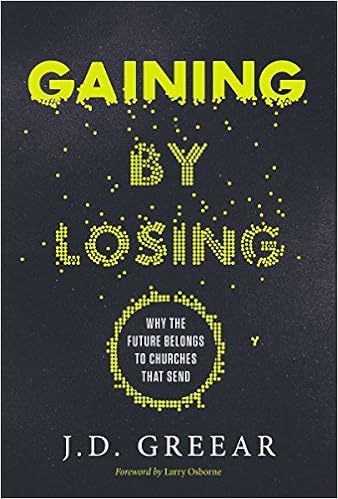
Book Notes - Gaining By Losing: Why the Future Belongs to Churches that Send - JD Greear
Tuesday, November 24, 2015
Book Notes - H3 Leadership: Be Humble, Stay Hungry, Always Hustle - Brad Lomenick
Let your team manage up more than you manage down
Start a "Better than I do" List. Leaders need to be reminded often that they aren’t the only ones who are good at what they do. Keep a running list of people who do what you do better than you do. Whenever you find yourself reading too many of your own press clippings, spend some time reviewing this list to regain perspective. This has the added benefit of giving you a contact list where you can find people to learn from.
Reward Those Who Push Back - Healthy organizations incentivize moderate levels of dissent.
When I walked into the green room and encountered the Hillsong United band after their first set, I was nearly knocked off my feet. The band members were huddled together around a tiny television with a closed-loop feed of the first speakers. Then they watched the second presentation. Then, the third. Many of them had Moleskine pads, and were furiously scribbling notes. No one was talking. No one was checking text messages.
One of the great memories I have of a Catalyst Conference is a panel discussion with Andy Stanley, John Maxwell, and Erwin McManus during the first ever conference in 2000. Erwin said something profound, and John immediately looked down at Linda, his longtime assistant in the front row, and made a motion as if he was writing, indicating he wanted his Moleskine notebook to capture what Erwin had just said. In front of two thousand young leaders, John demonstrated his desire to learn. Andy Stanley made a great comment later on, and satirically asked John, “Are you going to take notes on my answers as well?”
But as I learned while working at Catalyst, creativity is not completely inborn. It’s not just the musician sitting on the rooftop, dreaming up new lyrics about the color of the sky at noontime. It is the man in the third third of his life, taking a college course to learn more about his field. It is the CEO who schedules a lunch with a local graphic designer to talk about trends in logo design. It is the team of accountants who train themselves to use a revolutionary computer program before anyone else in their market does. The key to innovation is intentionality.
You are the chief, but not the only, vision caster. When you hire new team members, don’t hire only staff executers. Stack your roster with some dreamers too. They’ll take the vision you’re placing in front of them and will run with it. Make sure to ask questions designed to reveal how much time they spend dreaming each day.
MURDER, WHEN APPROPRIATE. This habit must be handled with care. Don’t complete a project for completion’s sake. You’ll often realize that an idea should be killed while you’re still attempting to execute. When this becomes clear, murder it and move on. However, if you find dead bodies lying all over the floor, you should evaluate your creative process to determine why so many of the ideas your team is generating are unsustainable.
Disclosure: Thomas Nelson provided me a copy of this book for review purposes.
Monday, August 10, 2015
Ember Prague Wrap
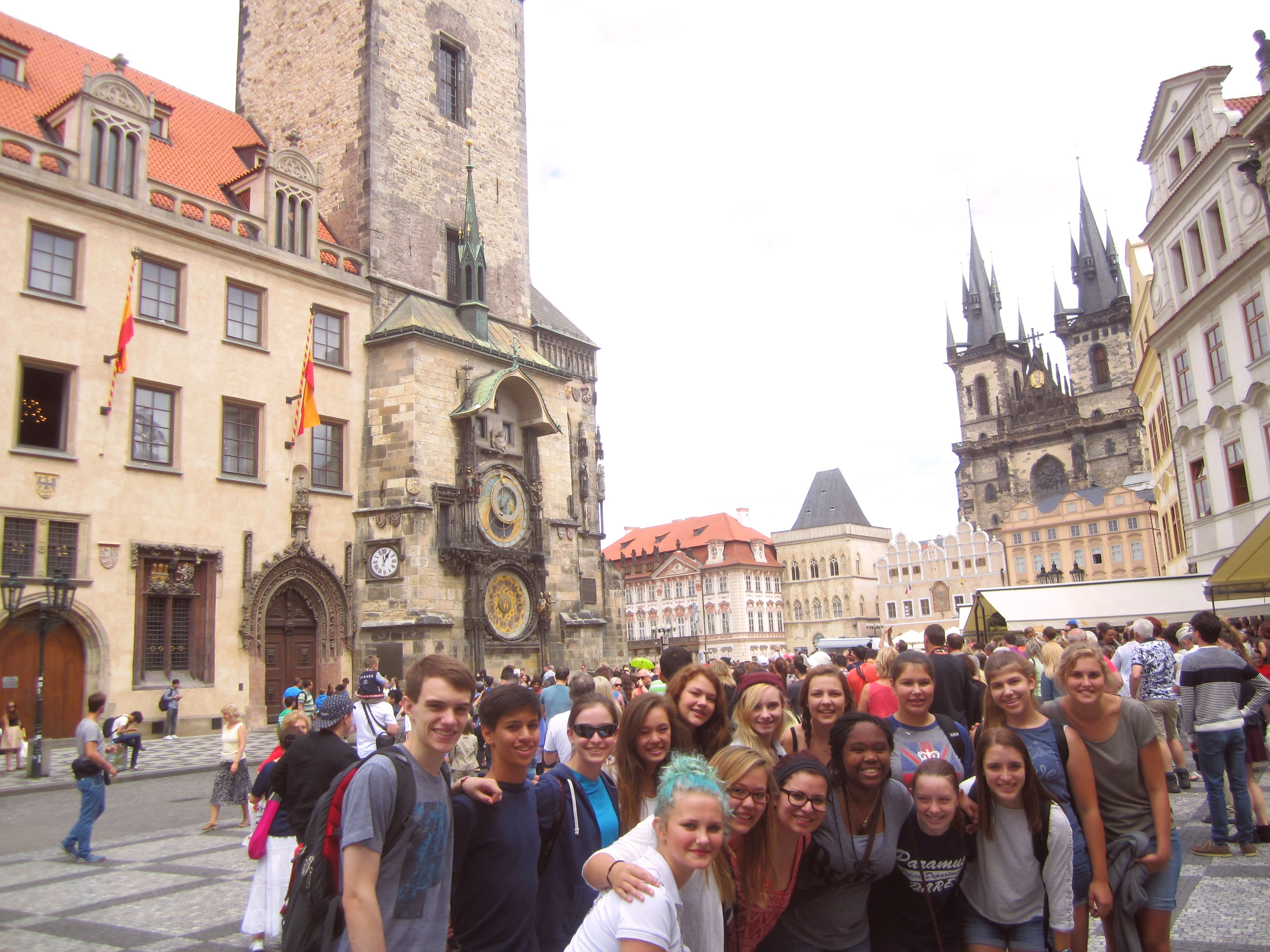
What an experience. The Lord really provided because it could have been a huge train wreck but instead was an amazing time with a whole group of amazing students. Here's some highlights - this is a long post.
::: The Jones
Loved our time being able to see Andrew and Debbie again - they have both had a huge impact on my perspective of missions, leadership and the emerging generation. Being able to have them share with a group of Camp Juice kids was so great. Love their family. Our students talked about a lot of this for the rest of the week.
::: Cultural scavenger hunt and Bless Day
Two really useful tools in Ember's tool set - the cultural scavenger hunt and Bless Day. The big lesson with the cultural scavenger hunt is how you apply it - what are the observations you made about the culture and how would you interpret those if you were to try to plant the Gospel in that culture? The big lesson with Bless Day, at least for this one, is the idea of missional imagination - what can you imagine you could do with the resources that you have that might move people to the Kingdom?
I alluded to this story in an earlier post too, but on Bless Day, one of the teams ran into a homeless man and asked him if they could buy him lunch. They went to a Czech restaurant and sat down to eat. In the middle of their meal, as they were getting acquainted even with the language barrier, he pulled out his identification card and it turned out to be his birthday. They sang him happy birthday [in English in a Czech restaurant in Prague...] and then later took him out to get his favorite gelato. Beautiful story.
::: The Camp Juice kids
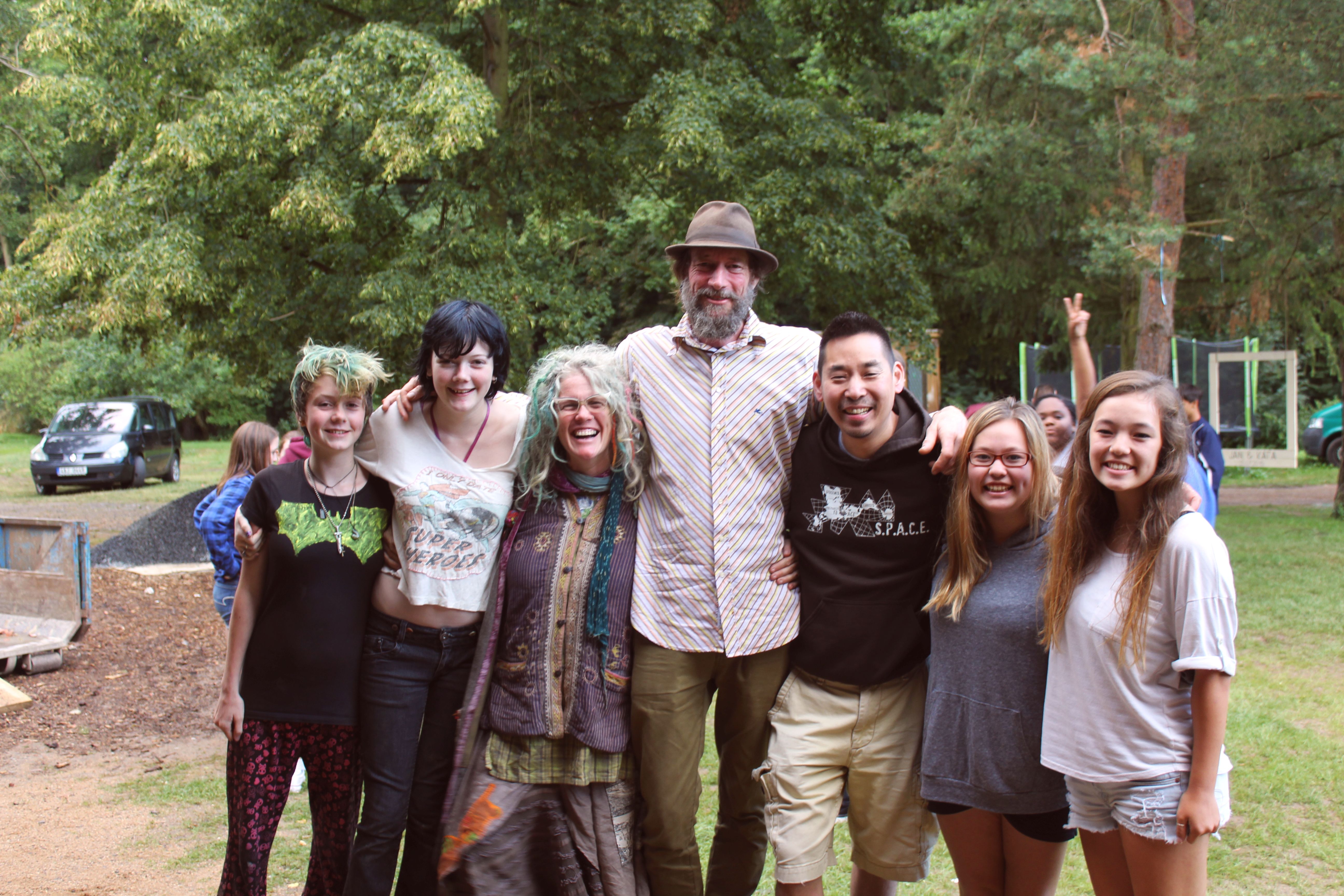
Loved all of these kids really. They were all really good friends before we arrived but they wholeheartedly embraced and loved our team - funny that I had met some of them in 2007 and 2008. In the end, everyone became a community - an interesting mix but a community that loved each other and had some great experiences contributing to something larger than just themselves. Alex McManus is right - cause creates community.
There is something special and unique about this group too - their families are directly involved in the missionary endeavor, most of them leading church plants in cross cultural contexts. They've lived unconventional lives and they show it. They are third culture kids with a pedigree of leadership, risk and adventure. I think Camp Juice has made a turn in ethos and I'm excited to see where that leads this community.
::: The Last Day
Our last day was spent hanging at the hotel and then going to dinner at KFC. After that, the Ember team presented paper plate awards to everyone. If you've been around various camps, you know paper plate awards are kind of goofy and ...campy. The comments back to us about the paper plate awards that we gave out were that they were so thoughtful and fit each person really well and really encouraged the person getting the award. Part of being a catalyst is erupting the good out of the people you know.
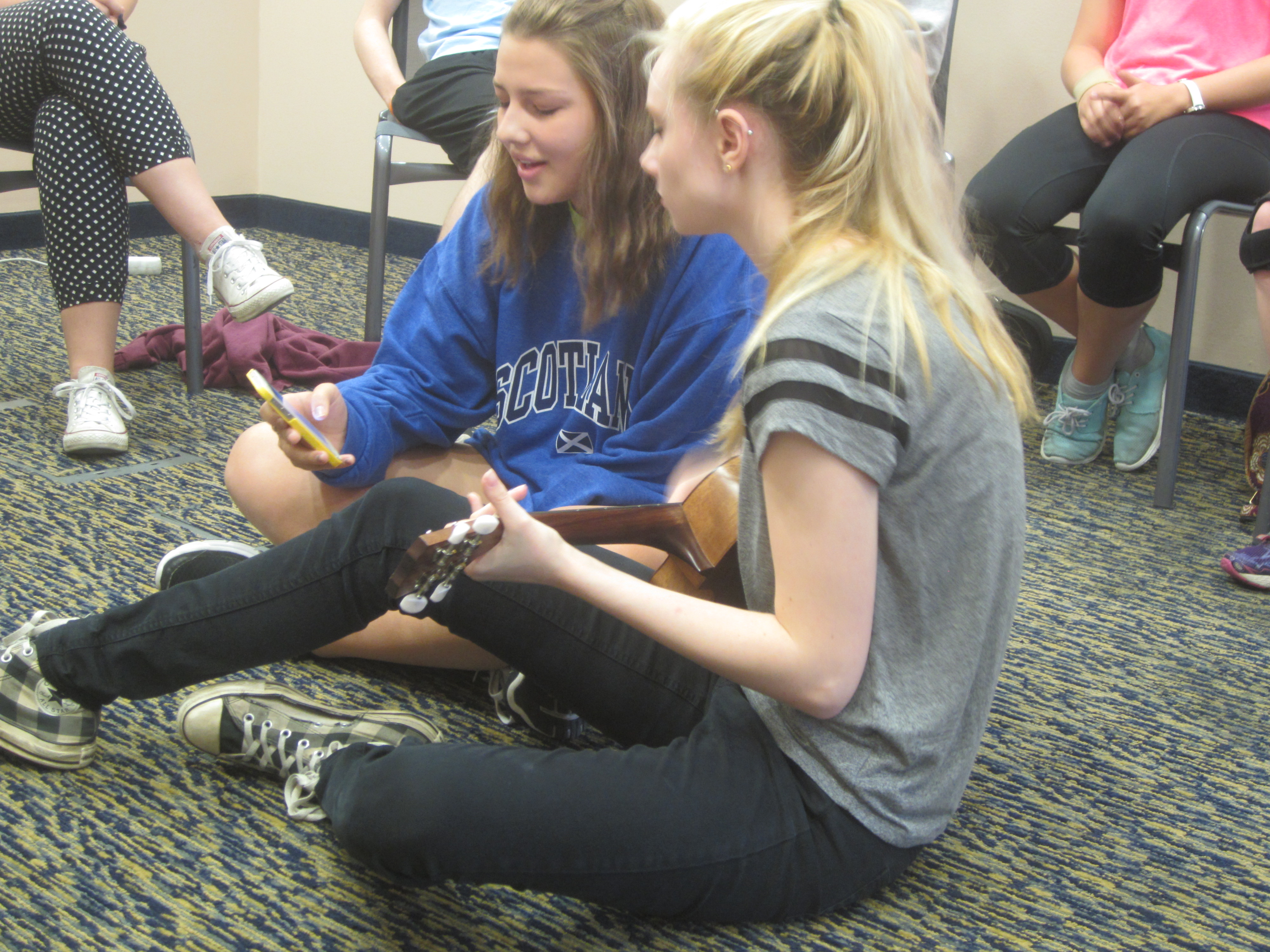
Later that night, we had a worship time and took communion together. Our main worship leader was Olivia Rapp, who is a phenomenal worship leader. During Summit, we didn't have a guitar so her and Madi used a ukulele and it was great. For the last worship time, Olivia teamed up with Jacob and Molly and they seriously led us. Communion together was beautiful.
My team was originally going to end the week with paper plate awards but I implored them about what we have seen this community do and become. It was no longer a gathering of missionary kids to have fun - it was now kids who could see a bigger picture about serving their world and closing our time together the right way could be significant. I'm glad we decided to do this - a sense of vision can be catalytic.
::: Financials
Our overall budget was right at $26,000, which was for a team of 9 for 13 days. Most of the expenses were in Prague, and we built in 2 days on the way home being spent in London for debriefing. I almost always build in time for decompression because it is that important. I'm still closing the financials but we will be a bit over in expenses. I'm not worried though - Ember started the summer with a good amount of reserves in our savings and we were prepared to go over a bit. I probably wouldn't do London again in the future - it's a glorious global city but super expensive.
Make no mistake, $26K is a ton of money. We all should be asking ourselves every single summer whether spending this bulk of money in 13 days is the right thing to do. My only other guidance is that we take the long view of answering this question - was it the right thing to do if you ask this 15 years in the future?
::: The Ember team
Loved this team - one of the best teams I've been with. Each person was a ton of fun and went out of their way to care for each other and become a team. When it came to the Camp Juice kids, they engaged them, did their best to become friends [which wasn't hard] and helped grow this gathering into a tribe. I miss each one of them and could have spent one more week with them. Maybe.
I have also added each one of them to an Ember Staff list that I update weekly. On most teams, you have one or two kids that can operate at a Staff level. I'm proud to say that everyone one of these students could be an Ember Guide.
Thanks to many of you for your support for this project and this team.
Photos here.
Loved our time being able to see Andrew and Debbie again - they have both had a huge impact on my perspective of missions, leadership and the emerging generation. Being able to have them share with a group of Camp Juice kids was so great. Love their family. Our students talked about a lot of this for the rest of the week.
::: Cultural scavenger hunt and Bless Day
Two really useful tools in Ember's tool set - the cultural scavenger hunt and Bless Day. The big lesson with the cultural scavenger hunt is how you apply it - what are the observations you made about the culture and how would you interpret those if you were to try to plant the Gospel in that culture? The big lesson with Bless Day, at least for this one, is the idea of missional imagination - what can you imagine you could do with the resources that you have that might move people to the Kingdom?
I alluded to this story in an earlier post too, but on Bless Day, one of the teams ran into a homeless man and asked him if they could buy him lunch. They went to a Czech restaurant and sat down to eat. In the middle of their meal, as they were getting acquainted even with the language barrier, he pulled out his identification card and it turned out to be his birthday. They sang him happy birthday [in English in a Czech restaurant in Prague...] and then later took him out to get his favorite gelato. Beautiful story.
Loved all of these kids really. They were all really good friends before we arrived but they wholeheartedly embraced and loved our team - funny that I had met some of them in 2007 and 2008. In the end, everyone became a community - an interesting mix but a community that loved each other and had some great experiences contributing to something larger than just themselves. Alex McManus is right - cause creates community.
There is something special and unique about this group too - their families are directly involved in the missionary endeavor, most of them leading church plants in cross cultural contexts. They've lived unconventional lives and they show it. They are third culture kids with a pedigree of leadership, risk and adventure. I think Camp Juice has made a turn in ethos and I'm excited to see where that leads this community.
::: The Last Day
Our last day was spent hanging at the hotel and then going to dinner at KFC. After that, the Ember team presented paper plate awards to everyone. If you've been around various camps, you know paper plate awards are kind of goofy and ...campy. The comments back to us about the paper plate awards that we gave out were that they were so thoughtful and fit each person really well and really encouraged the person getting the award. Part of being a catalyst is erupting the good out of the people you know.
My team was originally going to end the week with paper plate awards but I implored them about what we have seen this community do and become. It was no longer a gathering of missionary kids to have fun - it was now kids who could see a bigger picture about serving their world and closing our time together the right way could be significant. I'm glad we decided to do this - a sense of vision can be catalytic.
Our overall budget was right at $26,000, which was for a team of 9 for 13 days. Most of the expenses were in Prague, and we built in 2 days on the way home being spent in London for debriefing. I almost always build in time for decompression because it is that important. I'm still closing the financials but we will be a bit over in expenses. I'm not worried though - Ember started the summer with a good amount of reserves in our savings and we were prepared to go over a bit. I probably wouldn't do London again in the future - it's a glorious global city but super expensive.
Make no mistake, $26K is a ton of money. We all should be asking ourselves every single summer whether spending this bulk of money in 13 days is the right thing to do. My only other guidance is that we take the long view of answering this question - was it the right thing to do if you ask this 15 years in the future?
Loved this team - one of the best teams I've been with. Each person was a ton of fun and went out of their way to care for each other and become a team. When it came to the Camp Juice kids, they engaged them, did their best to become friends [which wasn't hard] and helped grow this gathering into a tribe. I miss each one of them and could have spent one more week with them. Maybe.
I have also added each one of them to an Ember Staff list that I update weekly. On most teams, you have one or two kids that can operate at a Staff level. I'm proud to say that everyone one of these students could be an Ember Guide.
Thanks to many of you for your support for this project and this team.
Photos here.
Wednesday, February 18, 2015
2015 Missions Baseline Questions
Ember uses a generic application for all our ProtoGuides and summer teams. Included in this application is a section called "Missions Baseline" which is used to gauge an applicant's knowledge on some basic missions concepts. We've used this for a number of years and, of course, keep refining our application. The application is not a simple, fill out your name, address, your salvation story and why you want to go on a summer team. Instead, it is designed to require some significant effort.
Here are the questions from our baseline section this year. The ideal is that we compare what they know before and after their experience. And our hope is that they get some real life understanding of these ideas.
Students are fully capable of understanding each and every one of these ideas. In fact, teach them these ideas well enough and you might have a global catalyst on your hands. [If you steal them, and you are more than welcome to, just let me know how you use them.]
Here are the questions from our baseline section this year. The ideal is that we compare what they know before and after their experience. And our hope is that they get some real life understanding of these ideas.
Describe what a person of peace is.
Describe what an indigenous leader is. Why are these leaders so important?
Describe the tension between social justice and evangelism.
What is cultural distance and provide an example.
Describe an example of contextualization.
Name a modern day example of a movement.
The name of a person that you are discipling.
The name of a person that is discipling you.
Describe something you have helped catalyze.
Describe a unique, important, modern day global phenomenon.
Students are fully capable of understanding each and every one of these ideas. In fact, teach them these ideas well enough and you might have a global catalyst on your hands. [If you steal them, and you are more than welcome to, just let me know how you use them.]
Monday, January 12, 2015
Thank You, Board of Director, Greg Klassen
In 2009, when I was toying with the idea of starting a nonprofit, I knew I needed someone who had actually started and ran a business, or preferably, multiple businesses. Having had a career in technology and always working for a business, but never starting something like this from scratch, I knew I had no idea what I was doing. And looking back now, that is quite the understatement.After starting The Ember Cast, I invited Greg Klassen the join the Board of Directors. Greg's two daughters had traveled with us pre-Ember and through our interactions, I had nothing but the highest level of respect for him and his family. Greg and his wife Vicki were two of the most ardent supporters for student missions our church community had ever seen and Greg had started and ran multiple technology companies. My respect for him grew even more after getting to know him even better through his board activities with Ember.
Seasons change and there will be times when board members want or need to be invested in different things. As of last week, Greg has decided to step down from the Ember board. I am incredibly grateful for the 5 years of service Greg has devoted to Ember. Some of his accomplishments include:
+ Seed funding at the very beginning to get some of our operations systems and budget in order.
+ Strong enthusiasm for Ember purchasing Directors and Officers insurance and getting us connected with a local insurance agent. Insurance issues were lost on me and because of his enthusiasm for this, I am much more serious about insurance. I still strongly counsel other nonprofit leaders to purchase this insurance.
+ Multiple conversations with me about working on the business not just in it.
+ Making me think long and hard about the 'unique business proposition' - what makes us unique and why we exist.
I'm immensely grateful for Greg's investment in my life, not only as a business founder but as a father and husband. Thank you Greg - you have marked human history.
Photo: Catalyst West Conference, April 2009, Orange County, CA.
Monday, December 29, 2014
2014 in Posts
Some of my favorite posts this past year - events and thoughts on student missions that marked both Ember and our family.
Why We Exist 2014
ProtoGuides 2014 Finish
Ember Advance 2014
Sending Katie and Olivia [#4th most read post]
At the Gate [#5 most read post]
97.14%
Ember 2014X Wrap
Ember Baltimore 4
What Pavillion Vendome Means to Me
Catalyst Next DC Notes
[2013, 2012, 2011, 2010, 2009, 2008, 2007, 2006 in posts.]
Why We Exist 2014
ProtoGuides 2014 Finish
Ember Advance 2014
Sending Katie and Olivia [#4th most read post]
At the Gate [#5 most read post]
97.14%
Ember 2014X Wrap
Ember Baltimore 4
What Pavillion Vendome Means to Me
Catalyst Next DC Notes
[2013, 2012, 2011, 2010, 2009, 2008, 2007, 2006 in posts.]
Monday, November 24, 2014
Notes - #CatalystNext
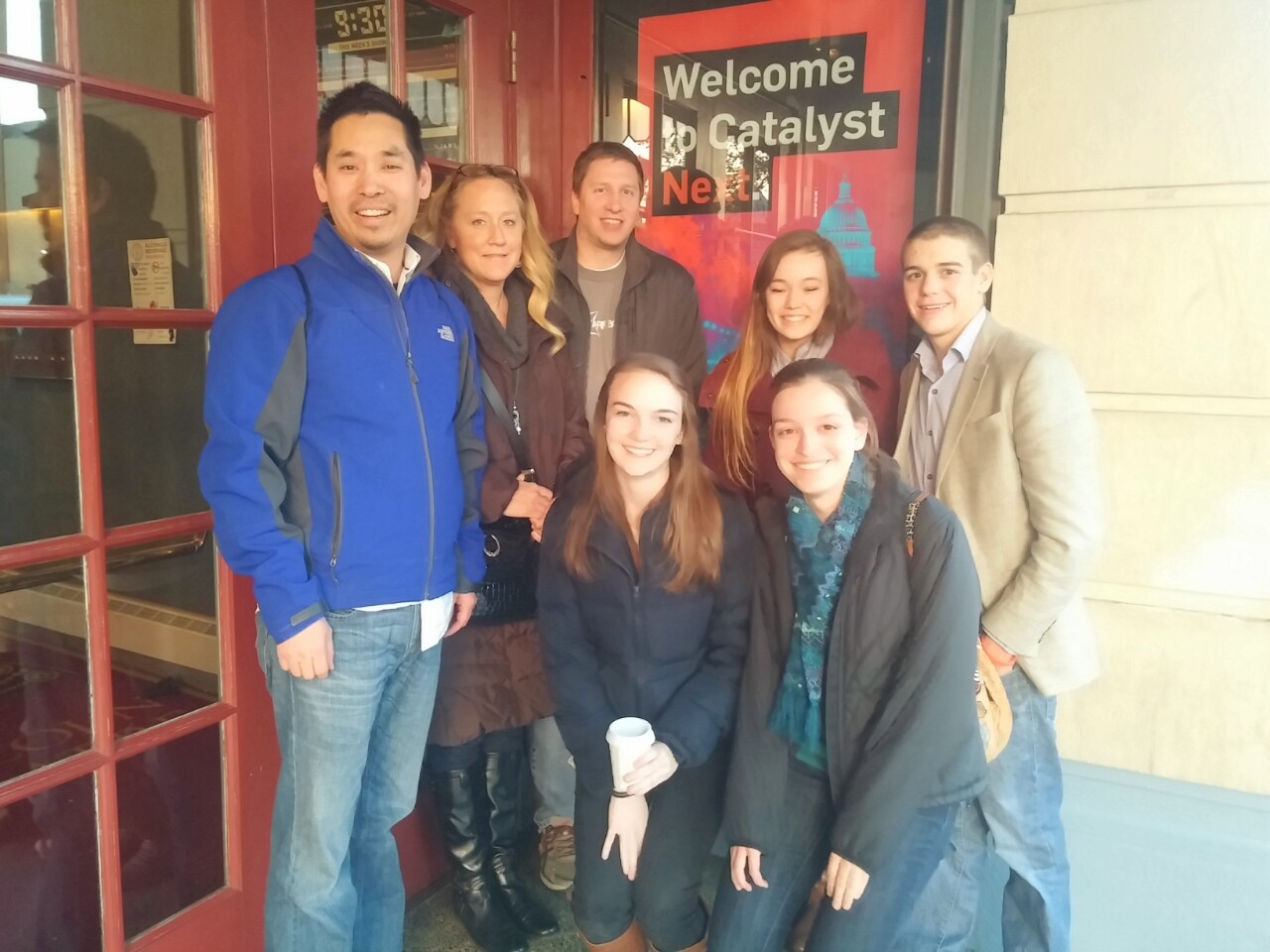
Our team was made up of adults involved in ministry bi-vocationally [board of director Matt, guide Carver and myself] and high school students - 3 seniors and one junior, two of those being current ProtoGuides and the junior being my older daughter. I'm pretty sure Ember had the only high school kids there. We also met up with some old and new friends - a leader of the young adult ministry at LifePoint Church in Reisterstown, and Ember guide Trevin and his co-workers from Bay Area Community Church. We all had lunch together which was a great time of connecting. Two of the seniors have some serious plans to join a church plant next year when they enter college as freshmen so the church planting roundtable was especially relevant to them.
The event wasn't quite as futuristic as I personally would have liked, but I realize that is sometimes too far out there. One solid principle about the future is that you imagine the future by seeing the present clearly and I think Catalyst Next did that extremely well. There was a little undercurrent of 'we have to explain what our current culture looks like to the Gen Xers and Baby Boomers.' Certainly understandable.
Every one of the talks was excellent, exactly what you would come to expect from a Catalyst event. They were all geared towards what is next and I loved that. The day was organized into segments and then after each segment, Jon Tyson would come back with Mark Batterson, Jo Saxton and Gabe Lyons to do a little discussion on the talks.
Here is the rough outline of the day:
Mark Batterson - leadership [see below]
Jo Saxton - leadership [character, community, commission]
Gabe Lyons - culture [see below]
Trip Lee - culture [to give up hope on a specific culture/peoplegroup/subculture is to discount the power of the Gospel]
Jenna Lee Nardella - justice [the long arc of justice and sometimes you cannot make it rain]
Raj Shah - justice [lots of great content on global poverty]
Missional church planting roundtable - Jarrett and Jeanne Stevens, Gideon Tsan, DA Horton - what is your context, something you have learned from, what is next
Jon Tyson - closing [see below]
Here are notes from the 3 talks that resonated most with me:
+ What is Next in church leadership
Mark Batterson
“The greatest opposition to what God is doing today comes from those who were on the cutting edge of what God was doing yesterday.” - RT Kendall The Anointing
Heb 11:7 - Noah, the ark and building something that was never built before
II Cor 10:5 - Take every thought captive and obedient to Christ
Noah - inventor, maker. Made the rake, hoe, oh and the ark.
1.5 football fields long
a ship that big would not be built again in human history until the late 19th century
35:3 design ratio is still the standard
569 box cars
125,000 animals - 60 National Zoos
120 years to build - long obedience
1st thing Noah did was to plant trees
It all came from an idea in his mind
Everything starts as an idea - so often II Cor 10:5 is used to instruct us to take bad thoughts captive, but it's also a command about good ideas.
Church is a 2 way street - dreams and passions go both ways
We have a dream for our church that people help us fulfil and we hopefully help them fulfill their dreams.
*TTS - Like always, Batterson gives a phenomenal talk about the future, leadership and the most audacious dreams and ideas. And every time I've seen Mark Batterson not speaking, he is taking notes. Including today, while on the panel. The best leaders I know do this.
Discussion:
Be a first class noticier
Scripture is meant to be meditated on - for it to quicken you, you must let it burn in you
Every piece of Scripture has 70 faces and 600,000 meanings - rabbinical saying
+ What is Next in engaging culture
Gabe Lyons
Context - always start with this
*TTS - ^^^ yes. Ember mantra - "Context and culture matter."
Today - the combination of postmodern, pluralism and postChristian
the nones
New Attitudes
No authority
Happiness is the ultimate goal
Good of the individual trumps good of community
God exists for the benefit of all, if He even exists
Meaning can only be found in this world
New Rules of Social Engagement - "Sex and the I World"
One may not criticize someone's life choices or behaviors
One may not behave in a manner that coerces or causes harm to others
One may not engage in a sexual relationship with someone without consent - as long as it is consensual, it is okay.
Countercultural - the church is called to swim upstream in this
*TTS - The intro to this talk was such a great description of the context that we find ourselves in right now.
4 questions - filter for culture
What is Wrong - stop and confront
who am I, what is my identity
What is Confused - clarify and compel
identity is found in Jesus, not by looking inside
is life about pleasure or purpose
love - affirmation of anything anyone wants to do or do we want the best for them?
What is Good - celebrate and cultivate
God's design for humanity is to flourish
What is Missing - create and catalyze
we have made an idol of marraige
first family - church family - extended family - oikos
clear and confident in theology
loving to friends and neighbors
you can be both but this requires lots of courage
The slavery and women in ministry issues both get more expansive from the OT to the NT
sexuality gets less expansive
*TTS - This was a fantastic talk and really engaged the issue of homosexuality and the evangelical Church. The 4 questions were great perspectives. Extremely well done.
Discussion:
Batterson - some topics are good for teaching about from up front - one way dialogue. Others need a two way conversation. This is one of those. NCC hosted a small group on this topic called Grace+Truth because we need both when it comes to this issue. Over 200 people showed up to it.
+ Jon Tysons closing talk
The need of the hour is to make disciples. If we get discipleship wrong, everything else goes awry.
Willard - what is your plan for making disciples and is it working?
We did a good job of forming people into Trinity Grace culture but not Jesus.
Our culture is incredibly effective at making disciples into its image.
"Ultimately, each church will be evaluated by only one thing - its disciples. Your church is only as good as her disciples. It does not matter how good your praise, preaching, programs, or property are; if your disciples are passive, needy, consumeristic, and not radically obedient, your church is not good." (Neil Cole) [*TTS - So good, I think I've posted this before somewhere here]
Faith to Doubt
Love to Insecurity
Community to Individualism
Contributing to Consuming
Rest to Exhaustion
5 Shifts - The From > To Imperative
*TTS - there was a ton of info in here - no way to get it all down.
Death -> Life
Eph 2
- gospel, story, walk
Shame -> Acceptance
Rom 8
difference between shame [who I am] and guilt [what I've done]
image management
Brene Brown
disciple people into their identity
- community, freedom, authority
Self -> Others
Phil 2
the small self - Rohr
- gifts, reconciliation, presence
Consumer -> Mission
I Cor 5
- sharing, vocation, stewardship
Performing -> Abiding
John 15
- source, power, fruit
In all of this, Jesus says, I will be with you always.
Gal 4:19 - My dear children, for whom I am again in the pains of childbirth until Christ is formed in you...
an urgent heartbreaking pastoral concern - spiritual fathers.
*TTS Right before Jon started, I whispered to our team that this was the money talk. I was right. Jon's talk was a powerful exhortation to leaders to take the issue of discipleship seriously and to evaluate how we are growing people and whether it is working or not. He has obviously done some deep thinking about our culture and what it means to grow people in the image of Jesus and his talk was a gift. I knew it was going to be good because I've learned a lot from him from a distance. [See : City Collective, the city parish model and Sacred Roots.]
+ My Reflections
- I'm pretty sure Ember had the only high school kids there. If you are a student pastor in the DMV and knew about this event, you should have brought some kids you were personally investing in. And if you aren't personally investing in any students, well, you should find a new line of work. This was a great learning experience that was easy to execute.
- Jon Tyson's closing talk. Ember needs to evaluate all of our experiences and reflect on whether we are creating disciples of Jesus or just creating kids that know a lot about global missions. Some of this is also a reflection on my leadership and whether I have the capacity to even think deeply on this subject and how it relates to the students we are entrusted with, in a similar manner to the deep thinking that Jon Tyson has done about discipleship in New York City.
- Batterson: "Church is a 2 way street - dreams and passions go both ways." I love this and Ember is really trying to engage our students with where we are headed as an organization as well as catalyze the passions, talents and dreams of them. We aren't doing the latter a ton but there were definitely a few students this past summer that fit this description. That's why we almost always visit the topic of missional imagination when we decompress an event or experience. I'm a bit sensitized to this too from some recent ministry experience as well so there's probably more in this.
Monday, November 17, 2014
Ember at #CatalystNext in DC this Thursday
It's often said that the future is now but is the church listening?
Our culture is constantly advancing, constantly shifting, constantly adapting, and if you want to stay ahead you have to know what’s coming before it gets here. Catalyst Next is a gathering created just for you. We know you’re a change maker. A forward thinking, innovative leader who wants to be ahead of the curve in addressing the issues and questions our culture is grappling with. This gathering will help us answer those very questions. Whether you are leading a church, non-profit, or business, we invite you to join us live in D.C. or by stream, for a day of intentional conversations around what’s next for the Church as we embrace progress and spearhead change for the sake of advancing Kingdom initiatives.
Catalyst Next is a gather geared towards young innovative leaders who want to be ahead of the curve in addressing the issues and questions our culture is asking. If you’re a change maker who is serious about bringing Kingdom change to your world than this event is for you.
Monday, November 10, 2014
Visiting with Gilles
Gilles was in town last week and we had a chance to catch up with him and introduce him to some of the ProtoGuides. Loved our conversations which included stuff like:
+ how preparation of short term teams is so important.
+ worldviews
+ third culture kids [Gilles was the first one to introduce me to this term.]
+ indigenous leaders and how things change when they take ownership
+ it is possible to gather a church without disciples
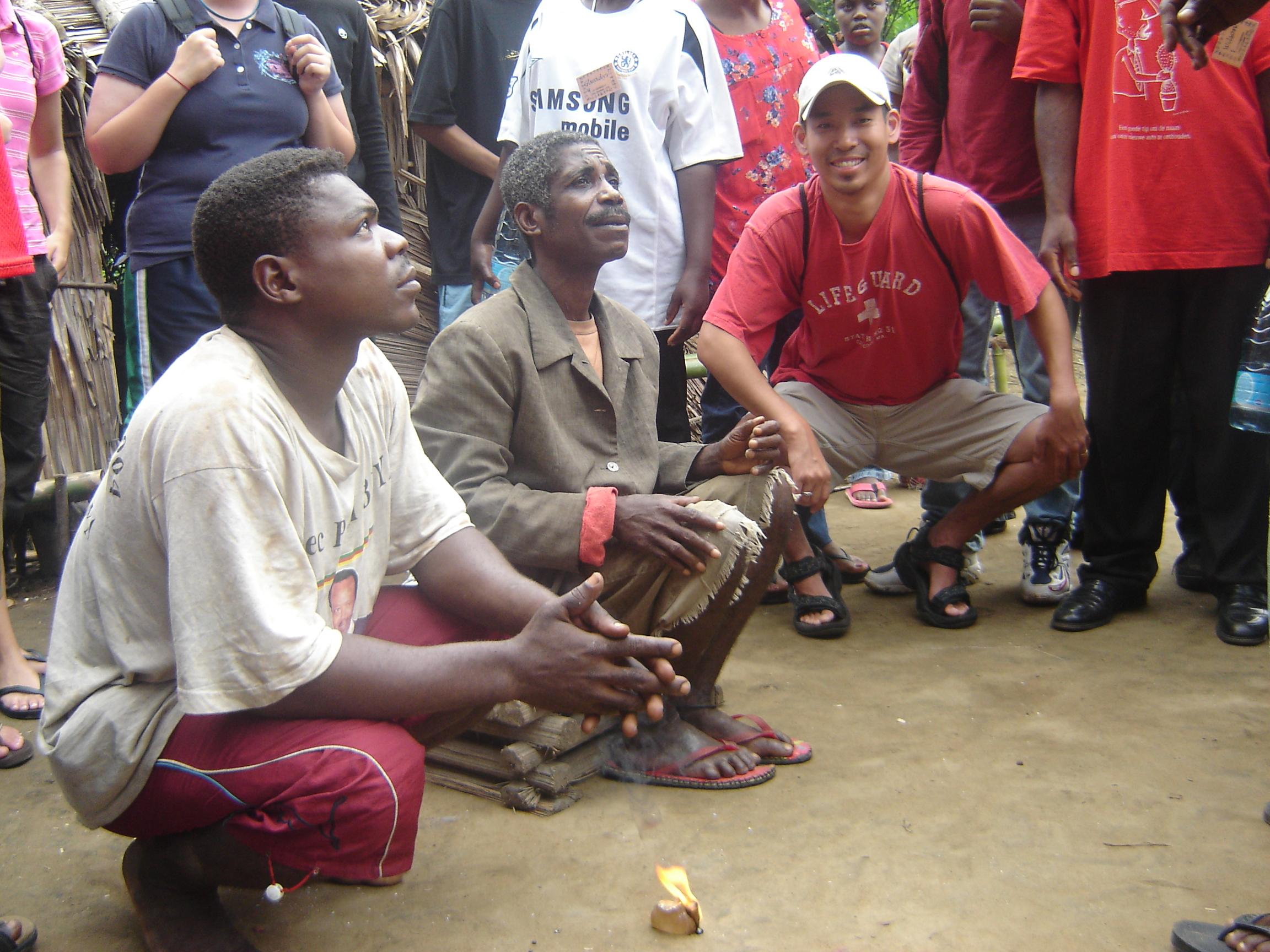
+ the pygmy indians
Some of the students we worked with in 2006 still remember our time together. Gilles is one of the best global leaders that we know and it's always great to catch up with him and introduce him to more emerging global student leaders.
Photo: Trevin, Gilles, moi, Deanna, KatieV, Shannon.
Monday, March 31, 2014
Ember Mantras - 2
"Catalyst is the primary paradigm."
A catalyst is something that comes into a situation that sparks a reaction and the reaction continues after the catalyst has left. We use this paradigm for almost everything that we do - service projects, facilitating and hosting teams, missional experiences, leadership coaching and more. If you can't do it yourself after we have left, we have failed. This paradigm requires us to think critically about dependency, ensures we view a long term perspective and keeps us future and action oriented.
You will never have enough leaders. Borrowing or stealing them is not the solution. Instead, view yourself as a catalyst and perhaps leaders will erupt from those you are already working with.
Monday, December 30, 2013
2013 in Books
Western Christians in Global Mission, Paul Borthwick
The Catalyst Leader, Brad Lomenick
Renegade, Vince Antonucci
Tradecraft : For the Church on Mission, Larry McCrary [Notes]
Overcoming Five Dysfunctions of a Team Field Guide, Patrick Leincoini [Notes]
The Meeting of the Waters: 7 Global Currents That Will Propel the Future Church, Fritz Lang
Creating a Missional Culture, JR Woodward
Multipliers, Liz Wiseman
Strengths Based Leadership, Tom Rath
David and Goliath, Malcolm Gladwell
All In, Mark Batterson
Girls Like Us: Fighting for a World Where Girls are not for Sale, Rachel Lloyd
Shark Tales, Barbara Corcoran
The Sending Church, Pat Hood
Youth Ministry in a Post Christian World, Brock Morgan [Notes]
The $100 Startup, Chris Guillebeau [Notes]
Redefining the Role of the Youth Worker, April Diaz [Notes]
What We Talk About When We Talk About God, Rob Bell
[2012, 2011, 2010, 2009, 2008, 2007 in books]
Monday, July 29, 2013
Future Casting from 2013
Ember exists to help prepare for leaders of the future and in order to project into the future, you must see the present clearly. Here are some of the current concepts that we saw this summer that may cast direction and intention for the missionary of the future.
1 - Multi-dimensional Connections
Combine global urban migration, digital natives and the ease of world wide travel and student mission experiences today are full of multi-dimensional connections. Students connect with lots of other people from lots of other places in the world. They continue these connections long after they come home from various medium via technology, such as sharing pictures and videos, texting each other and maybe talking via skype or facetime. One of our team still 'talks' with people from France at least a few times a week. Future student missions experiences should anticipate this and use it as an advantage.
2 - Belonging Before Believing
Both experiences in Aix and Phoenix involved significant contributions from students that didn't necessarily have a Christian world view. Now, of course, there is a sensitive line involving leadership roles and how relevant faith is in those positions. The challenge for the future is to navigate these challenges with a 'belonging before believing' posture.
3 - Creative Access and Creative Revenue
Creative access means various ways to get you to the field of service and creative revenue means generating the revenue to get you there. Our creative inspirations this summer included the Aixtraordinary Journey that ICCP put on and the fabulous community platform that Amadeo Church hosts at their 3rd Place Cup coffeehouse. Student missions in the future continue to inspire us with new and bold initiatives with regard to access, revenue and platforms. Be sure to include the idea of business as mission under this creative heading too.
4 - Sustainable Charity
Both of our hosts were passionately and deeply embedded in their communities. They exist to see these communities changed for the better. Ember uses the concept of a catalyst as our primary paradigm and it continues to help us filter our activities to spur on teams and not do anything that they couldn't do for themselves. As we think about the dynamic of self -> serve -> systems, these two hosts definitely helped us be catalysts and not create unreasonable dependencies.
Thursday, April 25, 2013
More than Mobilizers
The three of us [moi, Kristen and Trevin] are reviewing some cross cultural tools - some of the best ways we think to help students navigate culture. And when we say culture, we mean both the different cultures in another country some students will find themselves in this summer as well as the ultra pluralistic, always moving intersection of micro-cultures they live in here in the States. The training day we are helping to prepare also includes Amy [not shown] who has decades of experience working with teams. Think team initiatives like nobody's business. Incredibly thankful for this team.
If you are leading a team to travel to another culture this summer, you might think of yourself as a mobilizer. Prepare your team better than the average teams though... and you'll be a catalyst.
Tuesday, February 26, 2013
Matt Beach
The picture is from this past Sunday when he interviewed me via Skype with his class, talking about leadership, starting an organization, reflecting on the 3:12:120 idea and why I started Ember and what kind of impact we have made. It was a fun time and I thoroughly enjoyed it.
Loved connecting with Matt and all that he is doing for his faith community and those young adults, especially with his recent focus of trying to help his young people make a difference in the world, hence the theme of catalyst and catalytic leadership. Did I mention that he's been doing this for thirteen years? Maybe some of us need to be interviewing him...
Thursday, December 13, 2012
Recent Practices of the Trade
or maybe not so recent...
- Slant away from curriculum. Steal lots of pieces from lots of places but nothing is ever canned or completely reused. It is always recreated and contextualized.
- Be careful about evening meetings.
- Mark important things in books. Read all the way through the book and then go back through typing in notes.
- Always have an elec copy of your passport in your email
- Always pack a pair of clean underwear in your carry on
- Clarify the win when someone comes on board.
- Decompress with the team right after the project.
- Performance feedback to individuals within 24 hours.
- Catalyst is the primary paradigm
- Steal everything you can. Google chrome allows you to print stuff to a pdf and save it in google drive, all right from your browser. I have a BetterPractices folder for these kinds of docs.
- Make google reader your source for information. Yes you can read blogs with it. You can also create a feed for a search term and subscribe to that. Looking for something on craigslist - click RSS at the bottom and then subscribe to that.
- Been really happy with dreamhost hosting the ember site. Easy to create new domains, like blogs for the interns, and easy to install wordpress for them. If i started over, i would buy a domain, install wordpress on there and blog away.
Tuesday, December 04, 2012
Fall Intern wrapup
When we bring on interns [and we really need to call them something else], we make them write a blog. Say what you will about the medium of blogs in the age of facebook and twitter – I still think it's an amazing medium, which is why you are reading this. I'm always interested to see what they are thinking about the readings and our various experiences – blog posts are the perfect medium for that. And what they may not realize until much later is that the blog is a great journal for their season with Ember.
DK has just finished the Fall with us and it's been a great semester of various experiences and content. Here's some of her posts that show both some of the stuff she's been involved with and what she's been learning.
Shifting of Christianity
The American church
Being a catalyst
European vision
Serve the City Baltimore
Wednesday, October 17, 2012
Book Notes - Deep and Wide
Deep and Wide: Creating Churches Unchurched People Love to Attend by Andy Stanley
If you've been around my blog for a while, you know I love the Andy Stanley Leadership Podcast - this book is along those lines. It's a great read for church leaders but just as much for anyone trying to lead any kind of team or organization. At the core, it's a book about church world, as the subtitle alludes to. So the main premise is:
+ On organizational innovation over time:
One of the fundamental realities of organizational life is that systems fossilize with time.
+ On measuring the success of your church:
Are we moving or simply meeting?
Are we making a measurable difference in our local communities or simply conducting services?
Are we organized around a mission or are we organized around an antiquated ministry model inherited from a previous generation?
Are we allocation resources as if Jesus is the hope of the world or are the squeaky wheels of church culture driving our budgeting decisions?
Are we ekklesia [Greek term translate church throughout the NT - assembly of people called out for a specific purpose] or have we settled for kirche [Germanic term meaning house of the lord]?
+ On fairness when you are in charge:
I've worked in churches that tried to be fair. Eventually fairness became an excuse for non-engagement. The quest for consistency became an excuse not to help.... The better approach is to do for one what you wish you could do for everyone, knowing that everyone is not going to be treated the same way.
+ On the tension of policies:
We are inconsistent and at times unfair. Not on purpose. We just find that clinging to grace and truth creates tension. Tension we believe that should not be resolved, but managed. Do we have guidelines for benevolence and things of that nature? Of course. But they are guidelines. Not hard and fast rules. We have virtually no policies and lots and lots of conversations.
+ On growing leaders:
We put people into leadership roles too early, on purpose. We operate under the assumption that adults learn on a need-to-know-basis. The sooner they discover what they don't know, the sooner they will be interested in learning what they need to know.
+ On doctrine versus ministry practices:
Our doctrinal statement is conservative. Our approach to ministry is not.
+ On church culture:
It's a shame that so many churches are married to a designed-by-Christians-for-Christians-only culture.
+ North Point's Five Faith Catalysts:
Practical Teaching
Private Disciplines
Personal Ministry
Providential Relationships
Pivotal Circumstances
+ On leadership development:
I've been asked that question long enough to know that most people who ask it are looking for a program, a curriculum, or a series of classes. We have rejected that approach to spiritual formation from the very beginning. We don't believe classes create mature believers. Classes create smart believers. That's different. We have a menu of class options for those who want further theological education. But as you know, theological education and spiritual maturity can be mutually exclusive. They don't have to be. But they can be. So we have never approached spiritual formation as a cognitive exercise.
+ On too much responsibility too fast:
Since personal ministry is an integral component to spiritual growth, we are committed to involving as many people as possible, as young as possible, as soon as possible. Sometimes too young and too soon! But we intentionally err on the side of too fast rather than too slow. We don't wait until people feel 'prepared' or 'fully equipped.'
+ On training people:
One reason we are able to get people involved quickly is our approach to leadership development. Our entire leadership development model revolves around apprenticing rather than traditional classroom training.
+ On environments:
As I am constantly reminding our leaders, the sermon begins in the parking lot. By the time I stand up to deliver what is traditionally the message, everybody in our audience has already received a dozen or more messages.
+ On continuous improvement:
Time in erodes awareness of.
+ On presenters versus content creators versus group facilitators:
If your system depends on your staff and volunteers being proficient in two or three of these disciplines, you are always going to get mediocre results.... You need a system that allows engaging presenters to present, skilled content creators to create content and relationally savvy group leaders to facilitate groups.
+ On staffing:
Never assign a task that is gift-dependent to a staffing position.
+ On standards:
Our rule of thumb is that while it's acceptable to depart from the template on purpose, its' not okay to drift from the template by accident.
+ On preaching versus leading:
People ask me all the time how I handle the pressure of running a large, multi-faceted organization. I always chuckle. I would love to take a year and only run a large, multi-faceted organization. Compared to the pressure and stress of standing up thirty weekends a ear and facing a highly educated, successful group of congregants, some of who have been listening to me for seventeen years, the organization part of what I do is stress-free.
+ On generational models of church:
You don't have the luxury of babysitting the previous generation's approach to doing church. There's no time for that. Besides, you've only got one life to give to invest in this glorious cause.
+ On speaking to visitors:
When people are convinced you want something FOR them rather than something FROM them, they are less likely to be offended when you challenge them... When you get to those unusual verses and narratives, acknowledge them as just that: unusual. Hard to believe. As a general rule, say what you suspect unbelievers are thinking.
+ On change:
The catalyst for introducing and facilitating change in the local church is a God-honoring, mouthwatering, unambiguously clear vision.
+ On execution:
Marry your mission. Date your model. Fall in love with your vision. Stay mildly infatuated with your approach.
+ On leaders:
Teaching leaders leadership will result in better leaders. Teaching leadership to pastors, preachers and teachers results in pastors, preachers and teachers who've taken a leadership course.
If you've been around my blog for a while, you know I love the Andy Stanley Leadership Podcast - this book is along those lines. It's a great read for church leaders but just as much for anyone trying to lead any kind of team or organization. At the core, it's a book about church world, as the subtitle alludes to. So the main premise is:
Acts 15:19 - It is my judgement, therefore, that we should not make it difficult for the Gentiles who are turning to God.But there is a ton more in here. Here's what hit me, but if you are a church leader, you should read the whole thing.
I love that statement. Years ago I printed it and hung it in my study. I look at it every day. I believe James' statement should be the benchmark by which all decisions are made in the local church.
+ On organizational innovation over time:
One of the fundamental realities of organizational life is that systems fossilize with time.
+ On measuring the success of your church:
Are we moving or simply meeting?
Are we making a measurable difference in our local communities or simply conducting services?
Are we organized around a mission or are we organized around an antiquated ministry model inherited from a previous generation?
Are we allocation resources as if Jesus is the hope of the world or are the squeaky wheels of church culture driving our budgeting decisions?
Are we ekklesia [Greek term translate church throughout the NT - assembly of people called out for a specific purpose] or have we settled for kirche [Germanic term meaning house of the lord]?
+ On fairness when you are in charge:
I've worked in churches that tried to be fair. Eventually fairness became an excuse for non-engagement. The quest for consistency became an excuse not to help.... The better approach is to do for one what you wish you could do for everyone, knowing that everyone is not going to be treated the same way.
+ On the tension of policies:
We are inconsistent and at times unfair. Not on purpose. We just find that clinging to grace and truth creates tension. Tension we believe that should not be resolved, but managed. Do we have guidelines for benevolence and things of that nature? Of course. But they are guidelines. Not hard and fast rules. We have virtually no policies and lots and lots of conversations.
+ On growing leaders:
We put people into leadership roles too early, on purpose. We operate under the assumption that adults learn on a need-to-know-basis. The sooner they discover what they don't know, the sooner they will be interested in learning what they need to know.
+ On doctrine versus ministry practices:
Our doctrinal statement is conservative. Our approach to ministry is not.
+ On church culture:
It's a shame that so many churches are married to a designed-by-Christians-for-Christians-only culture.
+ North Point's Five Faith Catalysts:
Practical Teaching
Private Disciplines
Personal Ministry
Providential Relationships
Pivotal Circumstances
+ On leadership development:
I've been asked that question long enough to know that most people who ask it are looking for a program, a curriculum, or a series of classes. We have rejected that approach to spiritual formation from the very beginning. We don't believe classes create mature believers. Classes create smart believers. That's different. We have a menu of class options for those who want further theological education. But as you know, theological education and spiritual maturity can be mutually exclusive. They don't have to be. But they can be. So we have never approached spiritual formation as a cognitive exercise.
+ On too much responsibility too fast:
Since personal ministry is an integral component to spiritual growth, we are committed to involving as many people as possible, as young as possible, as soon as possible. Sometimes too young and too soon! But we intentionally err on the side of too fast rather than too slow. We don't wait until people feel 'prepared' or 'fully equipped.'
+ On training people:
One reason we are able to get people involved quickly is our approach to leadership development. Our entire leadership development model revolves around apprenticing rather than traditional classroom training.
+ On environments:
As I am constantly reminding our leaders, the sermon begins in the parking lot. By the time I stand up to deliver what is traditionally the message, everybody in our audience has already received a dozen or more messages.
+ On continuous improvement:
Time in erodes awareness of.
+ On presenters versus content creators versus group facilitators:
If your system depends on your staff and volunteers being proficient in two or three of these disciplines, you are always going to get mediocre results.... You need a system that allows engaging presenters to present, skilled content creators to create content and relationally savvy group leaders to facilitate groups.
+ On staffing:
Never assign a task that is gift-dependent to a staffing position.
+ On standards:
Our rule of thumb is that while it's acceptable to depart from the template on purpose, its' not okay to drift from the template by accident.
+ On preaching versus leading:
People ask me all the time how I handle the pressure of running a large, multi-faceted organization. I always chuckle. I would love to take a year and only run a large, multi-faceted organization. Compared to the pressure and stress of standing up thirty weekends a ear and facing a highly educated, successful group of congregants, some of who have been listening to me for seventeen years, the organization part of what I do is stress-free.
+ On generational models of church:
You don't have the luxury of babysitting the previous generation's approach to doing church. There's no time for that. Besides, you've only got one life to give to invest in this glorious cause.
+ On speaking to visitors:
When people are convinced you want something FOR them rather than something FROM them, they are less likely to be offended when you challenge them... When you get to those unusual verses and narratives, acknowledge them as just that: unusual. Hard to believe. As a general rule, say what you suspect unbelievers are thinking.
+ On change:
The catalyst for introducing and facilitating change in the local church is a God-honoring, mouthwatering, unambiguously clear vision.
+ On execution:
Marry your mission. Date your model. Fall in love with your vision. Stay mildly infatuated with your approach.
+ On leaders:
Teaching leaders leadership will result in better leaders. Teaching leadership to pastors, preachers and teachers results in pastors, preachers and teachers who've taken a leadership course.
Wednesday, October 10, 2012
Catalyst As the Primary Paradigm
I know the term 'catalyst' is probably way overused these days. But the longer we are involved with students and mission, the more the term makes sense to me. In light of all that we are learning about aid, development, indigenous leaders, and all that kind of stuff - and in the context of the current explosion in short term missions, the paradigm continues to be extremely valuable and our primary role.
We aren't the only ones that 'bring God to a given place.' There is something redemptive in a specific context already. Teams, individuals and hosts already have God ordained talents and skills. They have the potential to change the world and that potential doesn't depend on us.
Sometimes, our interns even get it.
Monday, September 17, 2012
Vision Team Prep - Team 1006
I spent about an hour late one evening last week with 3 people who comprise a missions vision team headed to East Asia [vague details on purpose] early next month. From my experience observing global strategies and reading vision reports, vision teams function best when they are prepared slightly differently than your normal missions trip [although we all know there is no normal missions experience.] Vision teams are responsible for communicating how a partnership will work, what teams going can expect, determining how the partnership will be successful, and being advocates and liaisons for their overseas hosts - no big deal right.
We centered around three paradigms for their team.
1 - be a mapmaker - the mapmaker role gives you clarity for understanding context.
2 - empower the indigenous - how can the whole partnership empower the people best to reach their culture.
3 - find the people of peace - the best influencers.
These fun topics, and more, also came up:
Perspectives was a major catalyst - growing a heart for the world.
Sending versus going.
Relational versus task oriented missions experience.
Toxic Charity.
Travel logistics - like always scan an image of your passport and then email it to yourself.
Wednesday, June 27, 2012
Ember Impact Coaching - Fall 2012
Ember has some availability for our Impact Coaching process for Fall 2012. We'll cover topics such as: Missions Philosophy, Context, Core Missions Concepts, Current Global Missions Issues, Mission Mantras, and Tactical Leadership. It's all with the backdrop of helping you be a better catalyst and helping you catalyze your students to be catalysts too.
More info here. Get in touch if you are interested.
Subscribe to:
Posts (Atom)