 Vienna airport on the left, Philadelphia on the right. 9 seems long when watching your children and short when watching human history.
Wednesday, November 30, 2016
9 Years and Counting
Vienna airport on the left, Philadelphia on the right. 9 seems long when watching your children and short when watching human history.

Monday, November 28, 2016
Ember 2016 Thanksgiving
 My new tradition that I started last Thanksgiving weekend [2015] - go over the year end financials for Ember. There is no better way for me to practice the discipline of thinking thankful than to look at all the names that have supported Ember in the past year. You are probably on this list too. I'm so grateful for you.
There were around 228 donations for just under $30K. Most of our money was spent on Ember Italy, which was just over $25K. We also invested around $2100 in funding Ember extended leadership, which this year included Guides involved in: a leadership conference in Portugal, a 3 day intensive lecture series about comparative religions, 6 weeks in Central Asia building relationships with college students and 2 weeks in South Africa. This leadership fund also paid a stipend and costs for one of our ProtoGuides.
This budget reflects our priorities which reflects our heartbeat for why Ember exists. None of it could happen without our supporters and I love this Thanksgiving habit more and more ever year.
Monday, November 21, 2016
The Half or Full Story of Redemption
Because worldview is holistic, we answer the most elemental questions of life radically differently depending on whether we are living out of half the story or the full story of God’s redemption. If we are living out of half the story, we miss that sin entered the world through Satan’s temptation of humankind; we were not born sinful. Under half the story, the aim of missions is to convert strangers into Christians so we see them in heaven when we are all dead. Not surprisingly, such a missional vision has not captured the heart of a generation. The Bible begins on earth and ends on earth, but if we are living out of half the story, we spend an inordinate amount of time focused on getting off the planet.- Jon Tyson, A Creative Minority: Influencing Culture Through Redemptive Participation
Friday, November 18, 2016
Friday Burn
 ::: Building Mission into Your Church Plants DNA
Great read by Dan Hyun, who was the host for last weekend's Ethnos conference in Baltimore.
Link
::: Hard to Learn Skills that Pay Off for the Rest of Your Life
Link
::: The Community Chlorine Maker
Link
::: Success is never owned, only rented. And the rent is due everyday. - @BishopBronner
Wednesday, November 16, 2016
Maturity in Your Mission Teams Processes
Some of you might be freaking out already because it's NovEmber and the church down the street already has all their summer missions experiences planned out. You have no idea what you are doing next summer much less next month and lots of people are already asking so they can do their 'proper' planning.
The churches and organizations that are able to announce summer plans in NovEmber are good examples of maturity. Just like the definition, it means that their planning process has grown up and they have spent some time growing it up. By and large, they have found ways to repeat these things:
1 - A tested application process for both students and leaders.
2 - They keep in touch with their overseas partners year round and more than just about summer teams. They are probably true sending churches that have great interaction with their people on the field.
3 - A leadership pipeline that has a good amount of people primed and ready to commit to lead a summer team.
Don't worry though - it is only NovEmber. You have some time, but you should probably get on it. As you get things in order for this summer, concentrate on making those items above repeatable and you'll be able to get things moving faster for next year.
Here are three great churches who have 2017 set - 1, 2, 3.
The churches and organizations that are able to announce summer plans in NovEmber are good examples of maturity. Just like the definition, it means that their planning process has grown up and they have spent some time growing it up. By and large, they have found ways to repeat these things:
1 - A tested application process for both students and leaders.
2 - They keep in touch with their overseas partners year round and more than just about summer teams. They are probably true sending churches that have great interaction with their people on the field.
3 - A leadership pipeline that has a good amount of people primed and ready to commit to lead a summer team.
Don't worry though - it is only NovEmber. You have some time, but you should probably get on it. As you get things in order for this summer, concentrate on making those items above repeatable and you'll be able to get things moving faster for next year.
Here are three great churches who have 2017 set - 1, 2, 3.
Monday, November 14, 2016
#Ethnos2016 - Race and the Church
 At the last minute, Deanna and I decided to join Ember Guide Amy in attending Ethnos 2016, which was a conference hosted by Freedom Church in Baltimore. The theme of the conference was "Race and the Church" and it seemed like it could not have been more appropriately timed although the gathering had been months in the planning. I loved the posture of the gathering - everyone was there to learn deeply, to listen to those different from themselves and the Gospel was present - we are not perfect but in our imperfection, God has saved us and joins us to work on messy things like race.
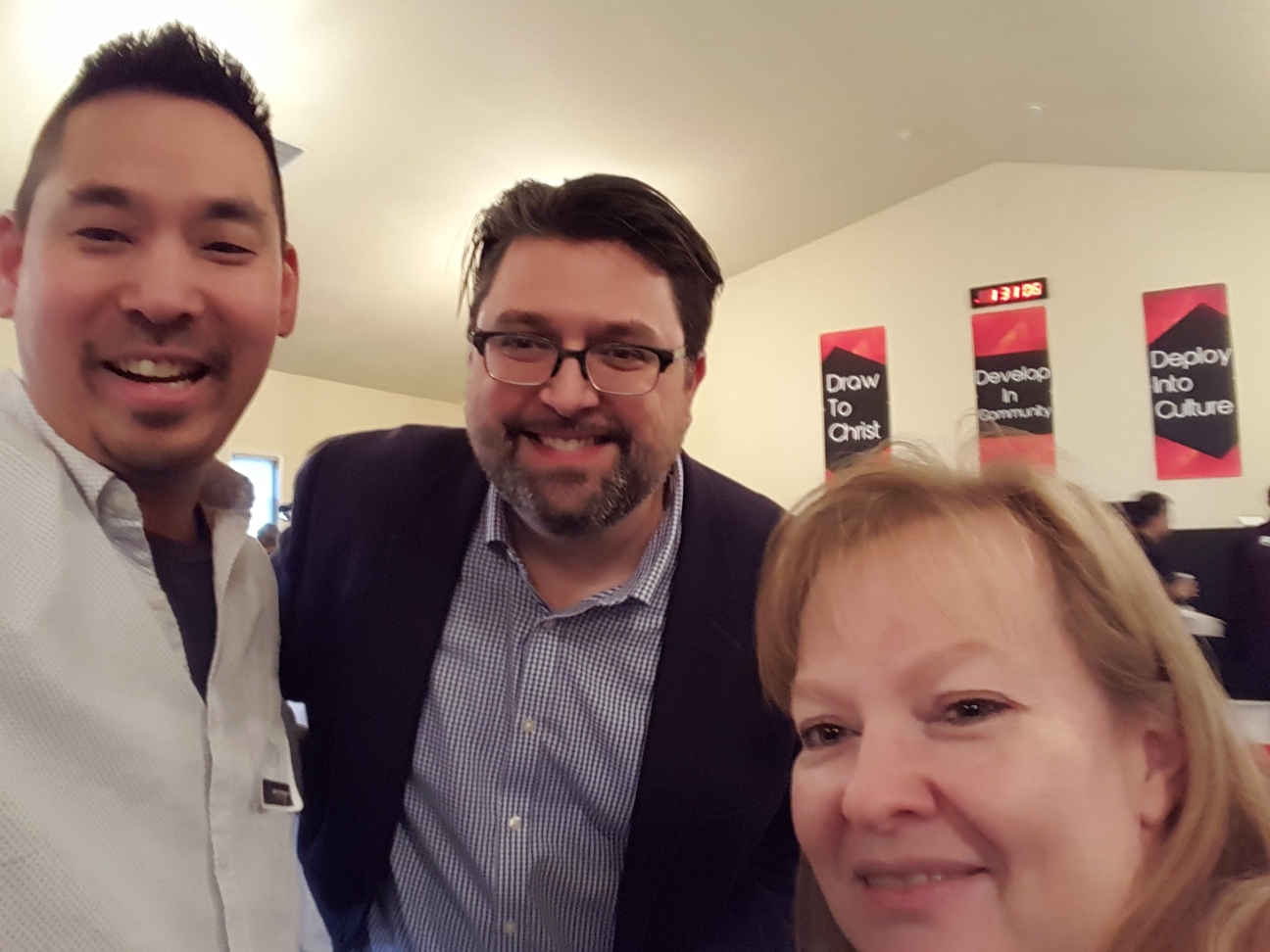 Our good friend Jeremy Del Rio was also one of the speakers and he's been a huge fan of our student missions efforts over 15 years now [1, 2, 3] - always good to see Jeremy.
There were around maybe 300-400 people there, mostly church and faith based nonprofit leaders. Lots of ethnic diversity which was awesome - this is one of the capstone defining demographics of the DC/Balt area. Lots of exciting church planting activity in Baltimore which is super interesting too.
Some selected notes - all paraphrased:
Lower East NYC - immigrant core, front line of gentrification, there is a factor of 38 in economic difference - low salary $10K, top salary $380K in the same community.I am a huge fan of cities - global urban migration is one of the most unique things happening in human history right now and missiologically speaking, cities are a big deal. But I've never been a huge fan of Baltimore for various reasons. But what Dan said in that closing statement, man, I could get behind that.
Luke 4 - proclaim good news to the poor, freedom to the prisoner, sight to the blind
Help me be an answer to someone's prayer today
Kind of prayers we can be answers to - lament, healing, repentance, prophetic
Jeremy Del Rio
Justice is the character of God reflected in His creation especially His people whereby they do what is right and fair and good in all relationships.
The problem of evil works itself out inside the character of God.
No way to get justice right until we get God right.
God is not just because He has to be.
A contracted understanding of God will lead to a contracted understanding of justice.
Real Jesus followers love conviction - they embrace the discipline of the Lord.
South Africa - had a truth and reconciliation committee for post apartheid communities to really heal.
Justice is part of repentance.
Evidence of a repentant heart turns to the poor.
When was the last time you talked about church discipline in the context of justice.
Escapist gospel - disengages the world.
Thabiti Anyabwile
[He spoke at two sessions and his talks were both a huge survey-wide run through the Scriptures on the idea of justice. Really well done.]
Being 'color blind' is a different level of engagement as really seeing ethnic differences. If you don't see what race a person is, you might not really being seeing them.
As an Asian American, I am constantly on the outside, but no one thinks that about Asians.
Race is a social construct.
Stranger danger has caused our children to grow up with a lack of relationships with anyone that is different than us. Deals with healthy versus unhealthy fears.
The Church needs to be back in the public square - one example is influence in public policy.
The US has systematized racism - not random, unpredictable but there are systems and structures to it.
Jenny Yang
[Jenny had a ton of valuable insights - highly recommend attending her stuff in the future. These were all from a panel discussion on race]
We have not recognized that our churches have discipled people into racism.
Relinquish your passive approach to friendship.
[From the panel discussion too but I don't remember who said these statements]
Baltimore has a ton of issues right now and most of the nation is not looking to emulate us. What if the Lord worked something together in this city to show the rest of the world how to truly get along as Christ followers unified in our diversity and really impact our city. - Ethnos Host Dan Hyun
Friday, November 11, 2016
Friday Burn
 ::: Why are Immigrants More Entrepreneurial
Link
::: Self Driving Mercedes Cars Will be Programmed to Save the Driver
Link
::: Man in Dubai Pays $9M for a license plate
We were witness to this - plates are a big deal.
Link
::: The future belongs to a different kind of person w a different kind of mind: artists, inventors & storytellers. - Daniel Pink via @STORYgathering
Photo: Ember guides - Trevin and Wendy.
Wednesday, November 09, 2016
Book Notes - Designing Your Life
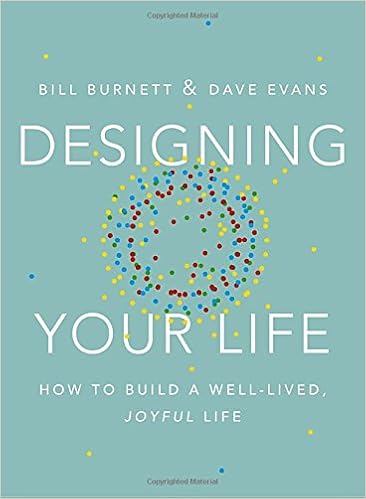 From time to time, I'm asked to meet with various young, competent, high capacity leaders who are in the midst of some kind of transition dealing with their calling, vocation and talent. These meetings are almost always with people I know pretty well and I've already got a lot of respect for them - their character, competencies and accomplishments are already super impressive to me. So I love these meetings but go into them usually feeling inadequate, not super sure on how I can actually help them.
 This book, Designing Your Life, is exactly what I needed for this kind of thing. Now, if you ask to meet with me, I'll just give you a copy. Kidding. Trust me, if you want to design your life, and you should, the stuff in the book is gold. For these kinds of meetings in the future, we'll go through some of this together and I guarantee, these people will get a ton of insight into what energizes them, what they are passionate about and how to design a life that erupts all of their talent.
Dysfunctional Belief - If you are successful, you will be happy.
Reframe - True happiness comes from designing a life that works for you.
DB - It's too late.
Reframe - It's never too late to design a life you love.
Reframing is one of the most important mind-sets of a designer. Many great innovations get started in a reframe. In design thinking we always say, "Don't start with the problem, start with the people, start with empathy."
The reframe for the question, "What do you want to be when you grow up?" is this: "Who or what do you want to grow into?"
Designers don't think their way forward. Designers build their way forward.
...So we're not very passionate about finding your passion. We believe that people actually need to take time to develop a passion. And the research shows that, for most people, passion comes after they try something, discover they like it, and develop mastery - not before. To put it more succinctly: passion is the result of a good life design, not the cause.
Deciding which problems to work on may be one of the most important decisions you make, because people can lose years (or a lifetime) working on the wrong problem.
The gravity problem - not real problems. In life design, if it's not actionable, it's not a problem. It's a situation, a circumstance, a fact of life. It may be a drag (so to speak), but, like gravity, it's not a problem that can be solved.
DB - I'm stuck.
Reframe - I'm never stuck, because I can always generate a lot of ideas.
DB - I have to find the one right idea.
Reframe - I need a lot of ideas so that I can explore any number of possibilities for my future.
The truth is that all of us have more than one life in us. When we aks our students, "How many lifetimes' worth of living are there in you?" the average answer is 3-4. And if you accept this idea - that there are multiple great designs for your life though you'll still only get to live one - it is rather liberating. There is no one idea for your life.
Designers learn to have lots of wild ideas because they know that the number one enemy of creativity is judgement.
You choose better when you have lots of good ideas to choose from.
You never choose your first solution to any problem.
DB - I need to figure out my best possible life, make a plan and then execute it.
Reframe - There are multiple great lives (and plans) within me and I get to choose which one to build my way forward to next.
Building is thinking.
The standard model [of getting a job] fails so much of the time because it is a model based on the mistaken idea that your perfect job is out there waiting for you.
DB - You should focus on your need to find a job
Reframe - You should focus on the hiring manager's need to find the right person.
DB - My dream job is out there waiting.
Reframe - You design your dream job through a process of actively seeking and co-creating it.
Network is more noun than verb. The point is not to "do" network-ing, the goal is to participate in the network.
...the most important reframe when you are designing your career is this: you are never looking for a job, you are looking for an offer.
Monday, November 07, 2016
Compasses and Maps
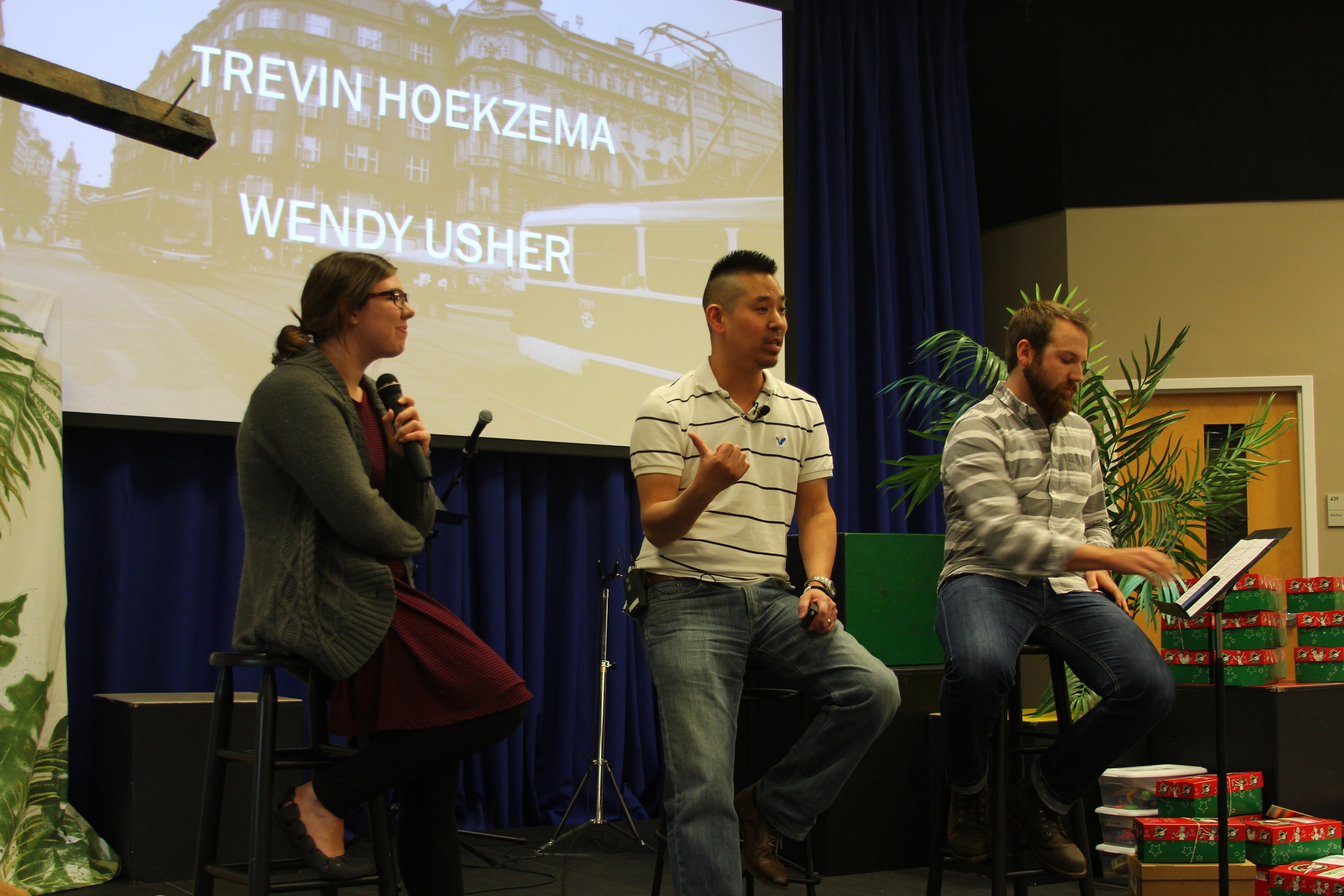 Many thanks for those attending my workshop yesterday at Maryland Orphan Sunday. I had a blast sharing some of what we have learned about helping young people change the world. Also loved being able to have two of our Ember guides to share a bit of their story too. Here's the summary outline with additional resources, which I forgot to show, at the bottom.
Maps, Compasses and Other Paradigms for Young People to Mark Human History
A workshop discussing paradigms of thinking and acting for young people interested in global service, changing the world and marking human history.
+ Compass v Map
+ Risk v Safety
+ Intention v Random
+ Something is not always better than nothing [this is false, stop doing things because you think this is true...]
+ Trevin and Wendy
+ Addl Resources
Dream Year by Ben Arment
Born for This by Chris Guillebeau
Designing Your Life, Burnett and Evans
Friday, November 04, 2016
Friday Burn
 ::: Neocities and Neodistricts
A framework for building cities of the future. Fascinating read.
Link
::: AuthaGraph
The world mapped in substantially proper sizes
Link
::: Languages of NYC
Most Frequently Spoken Language at Home, Excluding English and Spanish, by 2014 Census Tract
Link
::: Most leaders are trying to figure out the right strategy. The best leaders are obsessed with empowering the right people. - @craiggroeschel
Thursday, November 03, 2016
The Ember Pitch
 + PreEmber
2003-2008 - SPACE
Internship, Cultural Distance, Progression
+ Why Does Ember Exist
Emerging global student leaders
Parents, pastors, coaches
+ What Do We Do
ProtoGuide
Team training
Summer experiences - world class global leaders and innovators.
Learning service experiences
Coaching, Consulting, Speaking
+ How Do We Do It
Mantras
Guides - project centric based engagements
World class innovators
Core curriculum
Toxic Charity
Curation
501C3
Creative Revenue/Bi-vocational
+ Financial Model
$1500/year in business costs - $1000 insurance, $500 global security intelligence
Summer projects - usually self sustaining
3 monthly donors
Other revenue - speaking, coaching, event based fees for team training and service learning
Financially resource Ember tribe - Guide Grants, Extended Leadership
Monday, October 31, 2016
The Receptivity of Partners
Receptivity is one of the key things that we look for when deciding who our summer teams work with. A host or partner that is receptive is one that is available, has capacity and is interested in both our teams having a great experience as well as furthering on their project. Good hosts are also receptive to their community - they usually have a deep understanding for what is going on in their context and are well connected and well respected. They see and imagine with a catalysts perspective. They don't subscribe to the faulty theology of 'these teams are bringing God here.'
Ask yourself: Am I getting timely responses to my questions? Do they seem to have the capacity and availability for us or are they too busy? Can they imagine how this will be good for their momentum as well as our team? Do they have a solid strategy for follow on relationships after my team leaves? Are they well connected? What is their reputation like?
Trust me and do yourself a favor - only send teams to work with hosts that are receptive. If they don't have time or availability for you now, they also won't after you get there. You are hoping that it will be better but it won't.
Ask yourself: Am I getting timely responses to my questions? Do they seem to have the capacity and availability for us or are they too busy? Can they imagine how this will be good for their momentum as well as our team? Do they have a solid strategy for follow on relationships after my team leaves? Are they well connected? What is their reputation like?
Trust me and do yourself a favor - only send teams to work with hosts that are receptive. If they don't have time or availability for you now, they also won't after you get there. You are hoping that it will be better but it won't.
Friday, October 28, 2016
Friday Burn
 ::: How to Survive in Aleppo
Link
::: The Isobar - invented by a 22 year old
Will Broadway's "Isobar" has been designed to keep vaccines at the ideal temperature while in transit in developing countries.Link
::: The Power of Distant Social Connections
Link
::: If we're going to reach the nations we have to move from churches that build ministries to ones that equip ministers. @jeffvanderstelt
Photo: Hervey Bay, QLD, Australia. On the 4th of July. 2016.
Thursday, October 27, 2016
Perspectives Discussion Sample
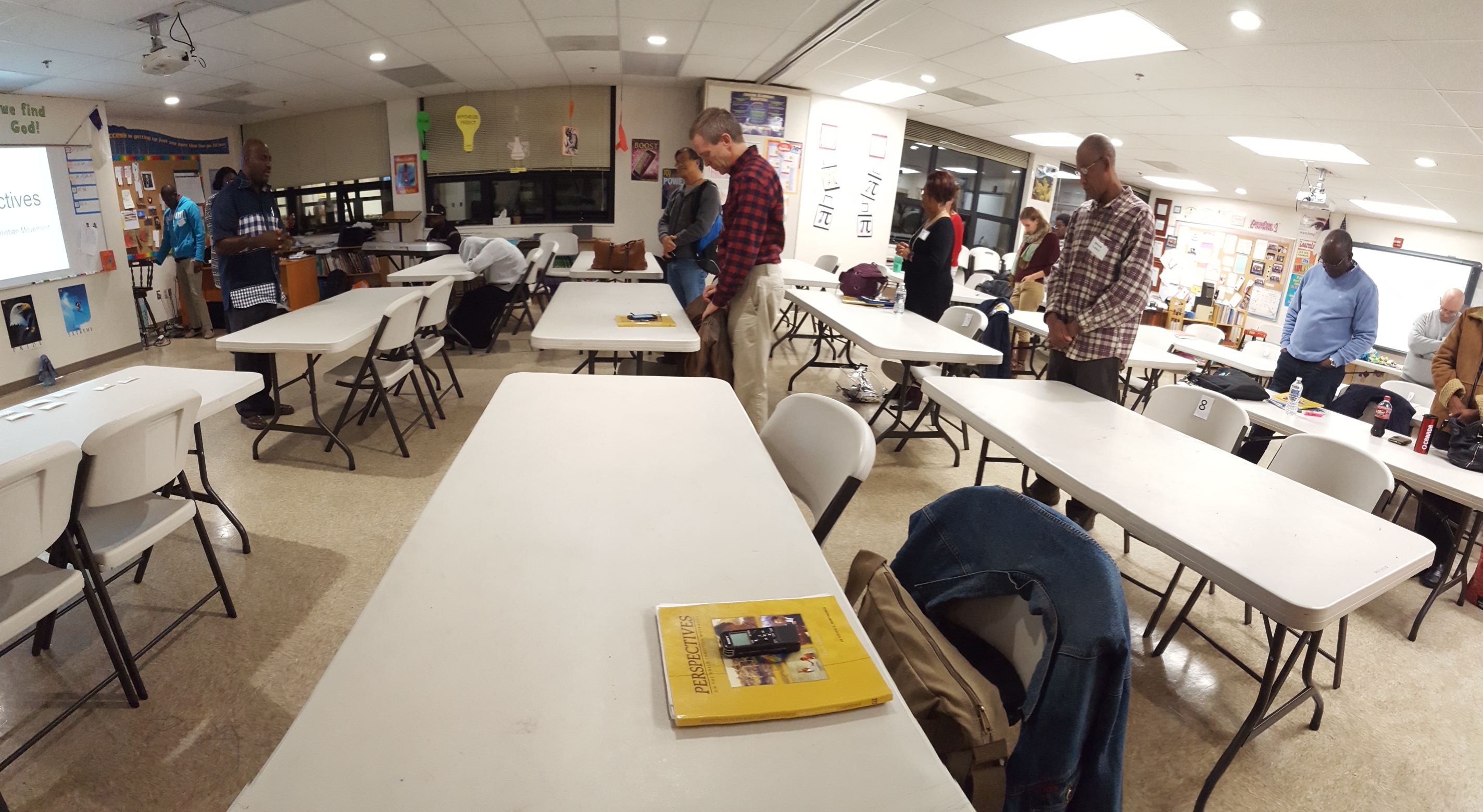 Always fun teaching at Perspectives. Even though some people think it might only have 10 years of life left [old bald white men, no succession plan, what does learning look like in 2016], it is still one of the best mediums to expose people to a big world.
Some interesting and intruiging questions from the class last night:
+ Going to another culture means being a gracious guest, but sometimes, we get really sick for days. What do we do about that?
+ Are there unreached people groups in Europe?
+ Where is the line between understanding a culture and making sometimes wrong assumptions about that culture and how do we be smarter about this?
+ What do we do about young people who say they are interested in Jesus but not interested in church and how does that relate to a post Christian culture?
Lots of classes will be held in Merryland in the Spring, registration is now open. Of course, I'm a big fan.
Monday, October 24, 2016
Ember Board of Director Notes - October 2016
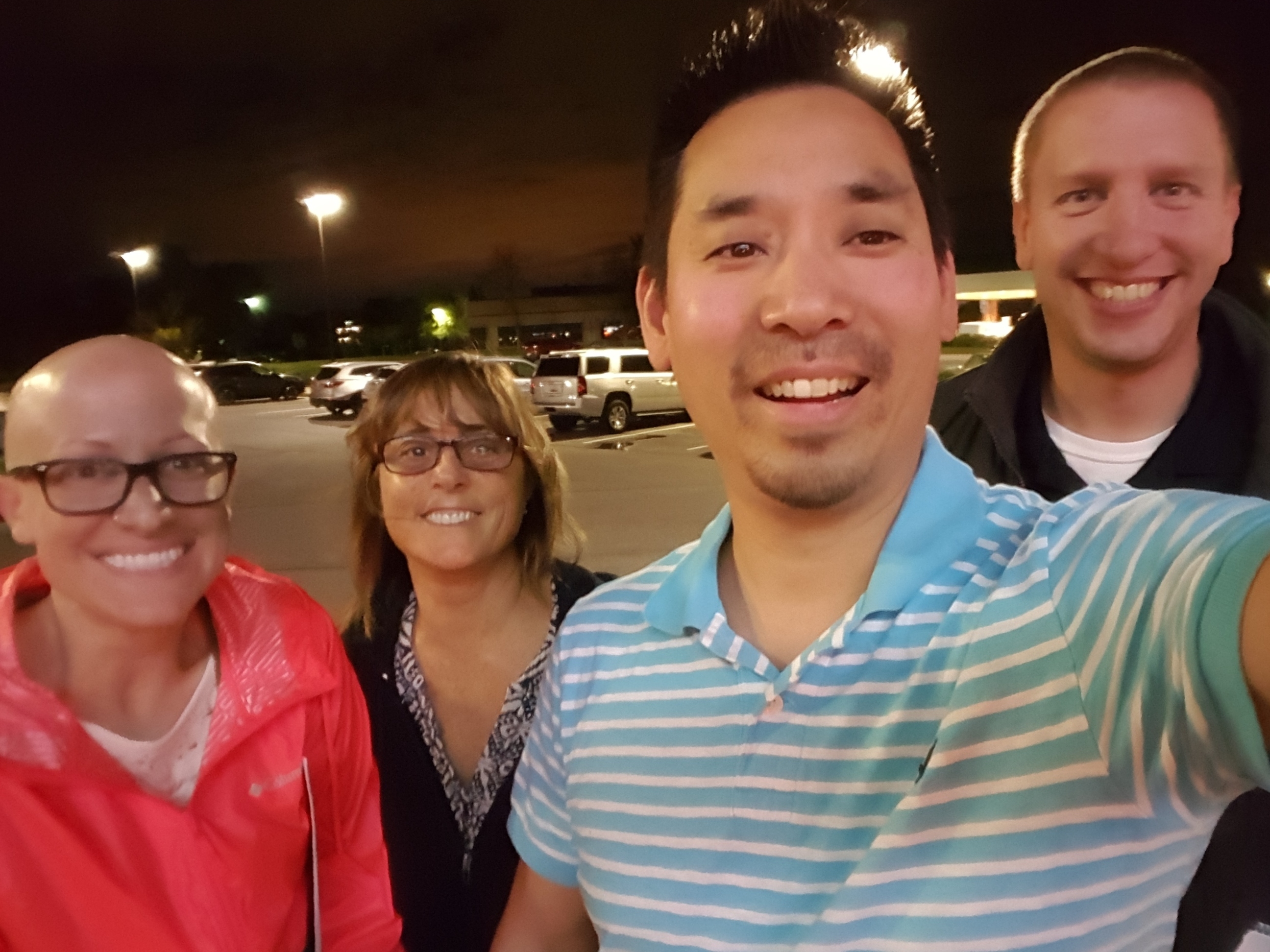 Rough high level notes from the October 2016 Board of Directors meeting for The Ember Cast. I will never tire of saying how grateful I am to this group of people for their experience, guidance and encouragement for what we do with students.
+ Financials
Goal of meeting with a CPA before 1 January. The short term goal is to set up QuickBook accounts to make sense instead of how it is done now. Long term goal would be a solid financial system in place.
+ Disaster planning for summer experiences
The Board and I spent a lot of time interacting this spring over a 'global security plan' for the Italy team. The process of putting together this plan was extremely valuable and this will be a standard document for all future summer experiences. We will also encourage this type of planning when coaching other student mission leaders. Hopefully, it never gets executed.
+ Board members meeting with ProtoGuides
Starting with our last ProtoGuide, setting meetings between the ProtoGuide and members of the Board is a good thing. They get to pick their brain, potentially hear and see about the life and ministry of a Board member and the Board member gets to know them and hear how Ember is helping them.
+ Intentional Staff get togethers
We need some kind of name for this but even with a weekly Staff email [I wrote about this here], and even though our Staff is project centric, it would be good for everyone to understand who is who and what are they doing. This idea came from Matt, who got it here.
Friday, October 21, 2016
Friday Burn
 ::: Redefining Global Cities
Link
::: Move Over, Millennials.
Here comes Gen Z.
Link
::: The Passing of Thailand's King
Link
::: Disciples are much cheaper to develop than consumer Christians. A little more time is needed but much less money. @HughHalter
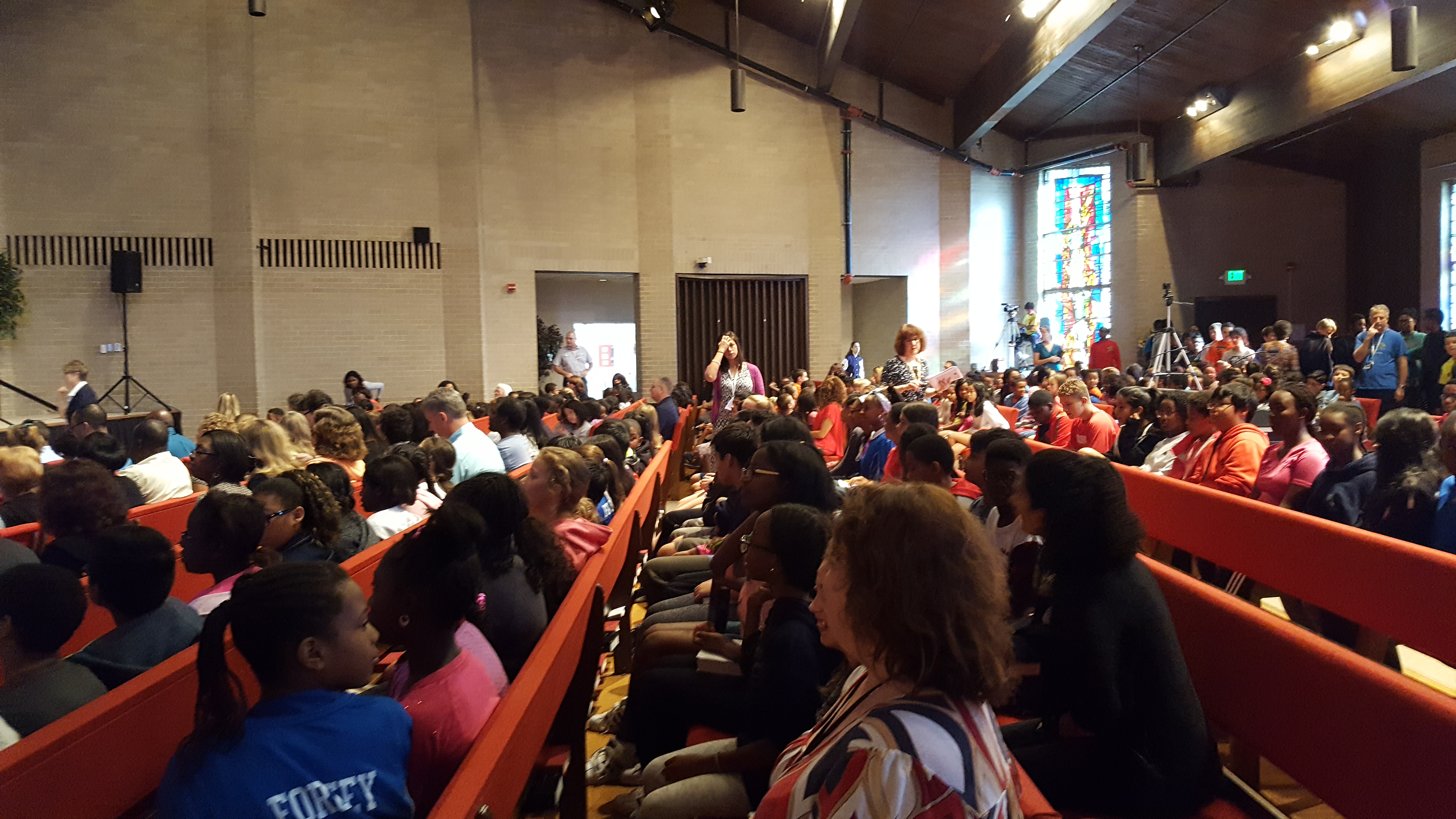
Photo: side view, Forcey Christian School's chapel service earlier this week.
Wednesday, October 19, 2016
Out and About - Fall 2016
I have the following speaking engagements coming up and would love to connect with you if you are at any of these:
+ Tuesday March 25, Perspectives, Lesson 10, Forcey Bible Church, Silver Spring, MD.
+ Sunday November 6, Maryland Orphan Sunday, Grace Comm Church, Fulton, MD.
+ Sunday November 20, Perspectives, Lesson 12, Univ of DE, Newark, DE.
+ Tuesday March 25, Perspectives, Lesson 10, Forcey Bible Church, Silver Spring, MD.
+ Sunday November 6, Maryland Orphan Sunday, Grace Comm Church, Fulton, MD.
+ Sunday November 20, Perspectives, Lesson 12, Univ of DE, Newark, DE.
Friday, October 14, 2016
Friday Burn
 ::: Billions of people buying tickets and investing countless hours on something of absolutely no significance.
Seth on spectator sports. I would email this post to everyone all over the world, especially during football season, if I could.
::: Thank God for innovation. Thank God for creativity ... Spontaneity is our friend in the church. - Brian Houston
You may be shocked to hear we don't sing 'Shout to the Lord' anymore at Hillsong Church. It's not 1993. If you come all the way to Australia and you hope to hear 'Shout to the Lord,' your chances are slight. We don't even sing 'Oceans' much anymore.Link
::: Wifi airport passwords around the world on one map.
Link
::: We are kept from our true goal not by obstacles but by a clear line to a lesser goal - @willmancini
Photo: Hillsong Conference Sydney 2016. We definitely did not sing 'Shout to the Lord.'
Thursday, October 13, 2016
Book Notes - Growing Young
Growing Young: Six Essential Strategies to Help Young People Discover and Love Your Church by Kara Powell, Jake Mulder, and Brad Griffin.
Great read if you are in any kind of church or faith based nonprofit leadership including pastoral staff, campus staff, elder teams, or board of directors.
Great read if you are in any kind of church or faith based nonprofit leadership including pastoral staff, campus staff, elder teams, or board of directors.
Almost weekly, someone at Fuller Theological Seminary quotes this powerful axiom from beloved senior trustee Max De Pree: "The first job of a leader is to define reality." The unfortunate reality is that most churches are not growing, and they aren't getting any younger.
All around the country, these hundreds of "bright spot" congregations are effectively loving and serving young people. Some of them quietly, and without flash. Others with great magnetism and fanfare. We call these churches that grow young because
1. They are engaging young people ages 15 to 29;
2. They are growing - spiritually, emotionally, missionally, and sometimes also numerically.
By keychain leaders, we mean pastoral and congregational leaders who are
* acutely aware of the keys on their keychain; and
* intentional about entrusting and empowering all generations, including teenagers and emerging adults, with their own set of keys.
[Keychain leaders - great illustration.]
The 'priesthood of all believers' doesn't mean leaders are absent.
If we are going to empathize with today's young people, we have to explore these questions. They are often what keeps today's teenagers and emerging adults awake at night.
Who am I?
Where do I fit?
What difference do I make?
As today's young people seek a more coherent sense of identity, the stress that formerly hit them in college, or even after college, now begins in middle school (or younger).
[Profoundly true. If you don't believe it, offer to housesit a high school junior or senior for a few days during the school year.]
Moralistic therapeutic deism still threatens to distract young people from Jesus.
Moralistic - equtate faith with being a good, moral person.
Therapeutic - faith becomes a means of feeling better about themselves.
Deistic - God exists, but this God is not involved in human affairs with any regularity.
Warm is the new cool.
* The chapter entitled "Fuel a Warm Community" is totally worth the price of the book.
See this article
Create both on-ramps and road trips. [Metaphors for increasing levels of commitment to community.]
Churches growing young prioritze young people not just for the sake of making young people happy but because the whole church benefits. One pastor of over 40 years put it like this: "Everybody rises when you focus on children and teens." Adults in another church reflected, "Young people are like salt. When they're included, they make everything taste better."
Myth: Good leaders and programs automatically lead to priority.
[Written about making young people a priority, but this could be said about a lot of other things too.]
Wise neighbors help young people discover their calling.
Churches that grow young people provide this vocational guidance by helping teenagers and emerging adults locate themselves and their work in light of a grand narrative.
Experiment on the margins.
Monday, October 10, 2016
Being a Curator
 The mindset that makes your missions experience great or just average is the mindset of being a curator. This is infinitely more than just a 'leader' or a 'tour guide' or a 'chaperone' although you can use those titles, except for the last one. Instead, you become an anthropologist, a futurist and a talk show host all at once.
You help your students understand the past and present - why does this group of people function like it does, what are the predominant values of this city, what elements of the past inform why people act this way in the present.
You envision a path for the future - what do my students learn from this and how does that affect their behavior 5 or 50 years from now, what latent dreams and passions are erupted out of this experience, you say to them, "You know, you could do this too."
You ask a lot of pointed, intentional questions that form a bridge between where your students are, where they could be and how hosts, co-workers and people with the same calling help your students get there. You've done a lot of research on the people you are working with before you landed in-country, so that you can have an intelligent discussion with them about what they actually do. You interject, stop here and there to chat about this or that, keep a running list of notes in your pocket for discussion later.
Most mission experiences are good - people get there and back, they serve somebody and the students are exposed to another culture. Being a curator takes this experience and turns it into a time when your students learned to peel back elements of a culture and deduce significance, they envisioned a future that was bigger than themselves, and they heard deep stories of calling from people they worked side by side with.
Curation is catalytic leadership at its best. You know, you could do this too.
Subscribe to:
Posts (Atom)