Poverty and The Economic Ladder
You probably already know about the issue of global poverty. You know about Product RED, The One Campaign and you've probably given some money to something related.
What you might not know is that in 2005, Jeffrey Sachs, a economist out of Harvard, wrote a book called The End of Poverty. The book outlined some of the basic ideas of economies, poverty and what the world looked like today. Sachs also went on to outline a plan for ending poverty in the next 50 years - in your lifetime. Bold, audacious and challenging - if you are reading this, you would probably like him. Others found merit in his plan. In fact, Bono wrote the forward to the book and The One Campaign is largely based on the concepts Sachs outlined.
What you need to know about is Sachs' concept of the economic ladder.
I'm posting some writing from a global student leadership guidebook that I'm working on. Let me know if you are interested in the progress of this project.
Showing posts sorted by relevance for query jeffrey sachs. Sort by date Show all posts
Showing posts sorted by relevance for query jeffrey sachs. Sort by date Show all posts
Wednesday, January 19, 2011

Sunday, October 08, 2006
Malaria Reading
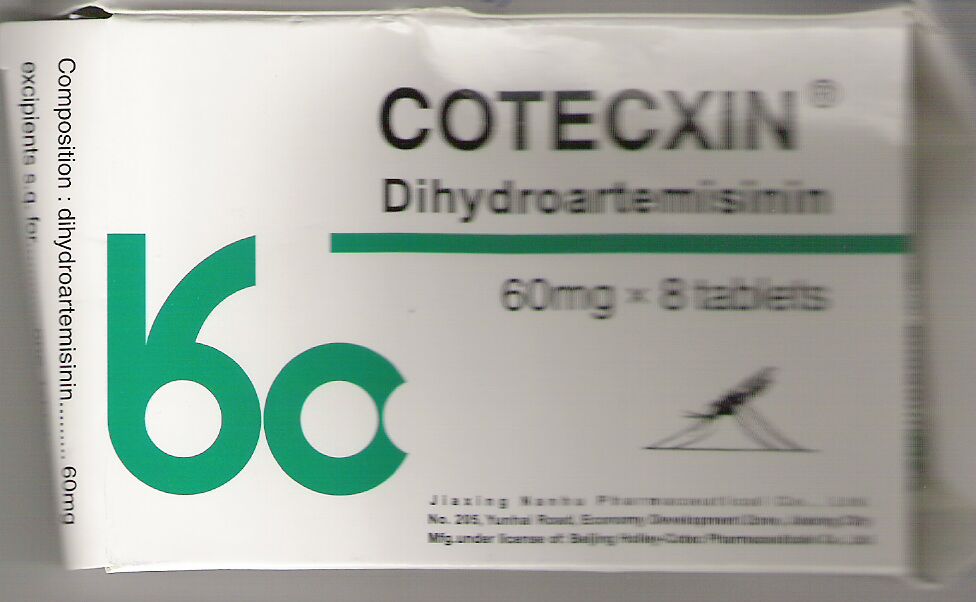 The Washington Post has an interesting article in today's [Sunday the 8th] Magazine section talking about the US Army's recent efforts to treat malaria.
Malaria:
- claims more than 1 million lives globally each year, 90 percent of them in sub-Saharan Africa, the vast majority children. Young survivors are frequently left with cognitive damage that can cause them to fail at school and work. African adults, while having lived long enough to gain some immunity against malaria's worst effects, often lose weeks of work while recovering from the disease. Western economists estimate that malaria results in an economic loss of $12 billion annually in Africa, the continent least able to foot the bill for fighting the disease.
- In Kenya, the most reliable antimalarial drugs cost about $6, or about four days' earnings for the average Kenyan. The drugs are generally unavailable in shops. Accessible antimalarials in Kenya generally mean cheap antimalarials -- usually ranging from 10 to 30 Kenyan shillings, or roughly 15 to 40 cents -- but they are also the least effective treatments, as the disease has become wholly resistant to many of these drugs once famously effective.
- Heppner [the Army researcher] and his Army colleagues remain serious players in the vaccine research field only because of the largess of other groups. His department received $2.7 million last year from the U.S. Agency for International Development and $1 million from its vaccine collaborator GlaxoSmithKline. But his most critical source of funding in recent years has been the private nonprofit Malaria Vaccine Initiative, created with a grant from the Gates Foundation in 1999.
- Worldwide funding for malaria, last calculated by the research group Malaria R&D in 2004, stood at $323.4 million. Columbia University economist Jeffrey Sachs estimates it would take $3 billion to vaccinate every African child who needs it.
One of our hosts this summer for the Cameroon team, W Nen, actually got malaria a few months after they first arrived in Cameroon. She said it was as bad as you think it is. The Nens also have first hand experience with people in Cameroon getting malaria, but it being misdiagnosed or not taken seriously at first. It is very real to people living in Cameroon.
There is also a related debate between the environmental concerns of DDT versus how amazingly effective it is against malaria. Read some of these articles.
Photo: The box of the malaria medicine the Nens sent home with the team.
Monday, April 23, 2007
Jeffrey Sachs the Optimist
 From talk 1 of this series:
::: malaria nets
300M sleeping sites in Africa that need protection from malaria
anti-malaria bed net costs $5 and last five years - $1 a year
multiple kids sleep under one
total investment - $1.5B for 5 years
the most amazing bargain of our time
::: the solution to overpopulation is child survival
it is a myth that saving children contributes to the overpopulation problem
in fact, child survival is correlated and causally related to reducing fertility rates among poor households
you want them to have fewer children? assure them that the fewer children that they have will survive
you cannot leave children to die to solve the overpopulation problem
::: optimist
I spend my time with people who are dying. Twenty-two years ago I started to say that we needed debt cancellation for the poorest countries. (APPLAUSE) It came late, but it came. I can't give up, that we are doomed. (APPLAUSE) That's why I started this lecture as I did, that too many of us think it is impossible, too many think it is unreal, but that is a dangerous defeatist belief. That's exactly where I started. We have to believe that we can make choices if we can understand them. We have to believe that the more we analyse together and reason together, especially in this house of all places on the planet, that it's possible to sort out some of these things. No part of the whole planet has done more than this institution to change the course of history in fact. Life expectancy was twenty-five years, and it's because of what this house and what it represents has accomplished, that in the rich world we're at eighty years, and in the middle income world we're at seventy years. And when I think about how Condorcet, months before he was killed in the French Revolution, talked about how we could harness reason to grow more crops and to extend life expectancy - what right did he have to be optimistic, but he got it exactly right. So what right do we have to be so pessimistic, and blind, and not moving, when people are dying on our watch?The full transcript is here.
[Related - my posts from The End of Poverty - Chapter 1, 2, 3, and Malaria.]
Saturday, April 26, 2008
World Malaria Day 2008

Today is World Malaria Day. If you are a long time reader, you know that this blog has talked about malaria a bunch of times before and you already know that it is a global issue that is totally preventable with the right kind of investment.
I'll quote Jeffrey Sachs once again:
300 million sleeping sites in Africa that need protection from malariaTwo ways to make a difference right now:
anti-malaria bed net costs $5 and last five years - $1 a year
multiple kids sleep under one
total investment - $1.5B for 5 years
the most amazing bargain of our time
+1 United Nations Foundation - http://www.nothingbutnets.net
+2 Compassion and Youth Specialties - http://biteback.net
One of the tenets of this blog is to motivate you to do something and it would be fun that if you are a part of SPACE and feel compelled enough about this issue, that you give to one of those movements linked above. It's $10 meaning that you could forgo the movies once this weekend. And in light of all the support raising you are involved in right now for your summer teams, it's a little counterintuitive. But that's the Gospel, right. If you give, leave a comment.
300 million sleeping sites. minus what SPACE does.
Oh and thinking about a career in the biological sciences? How about becoming an expert in malaria?
Thursday, September 22, 2011
#SocialGood
I spent a little bit of time on twitter the other day tracking the Social Good Summit, hosted by Mashable, 92nd Street Y and the United Nations Foundation. The Summit is "where big ideas meet new media to create innovative solutions." This recap from Day 1 has some good stuff including content from charity:water, the director of the One Laptop per Child, and stats on global literacy.
Here's some interesting, intruiging and inspiring ideas that I pulled:
+ USAID released open source maps of the famine in the Horn of Africa and their FWD [Famine, War and Drought] site, which has a fantastic resource for anyone who wants to learn more and get involved in the drought.
+ 80 miillion Livestrong wristbands sold since 2004 - the first social network around a cause.
+ 100 M kids from grades 1-8 are not in school because of poverty.
+ We have a business model problem in health and education. Technology is going to dramatically lower the access barriers. - Jeffrey Sachs [you know about him right?]
+ Every child in Uruguay has a laptop.
+ Skype CEO - Our goal is to connect 1M classrooms.
+ 99% of the way there in eradicating polio. Only the second disease to be eradicated on the planet.
[And my favorite two...]
+ 84% of today's young people believe that it is their duty to change the world for the better.
+ The 21st century is a lousy time to be a control freak [speaking about the decentralization of power and information.]
Bound to be lots more great stuff the rest of the week. This is not your parents model of charity and philanthropy any longer. Mobilizing people for a cause is now a different ballgame.
Wednesday, December 19, 2007
Passion and Optimism Packaged in the XO
 The international office has had it's XO for a few days now and we've certainly had some fun with it. Overall, it's been a very positive experience and the XO is going to be a tool that we will continue to use. Here are some quick highlights:
: The overall unit looks like a toy but is solid and sturdy.
: The keyboard is tiny, but you get used to typing with your index fingers.
: The screen is bright and clear.
: I plugged a USB wireless mouse into it and it worked instantly.
: Connecting to any wireless access point is simple. You have to click on the appropriate icon in your Neighborhood view. If you have a secured access point, it prompts you for your key code. Your key code is not kept permanently though, so every once in a while, you do have to re-enter it.
: It's not super fast but definitely adequate.
: Most of what I have used it for is web stuff. Gmail, Google Reader, Facebook, simple stuff like that. Uploading large files, like pictures to flickr or attaching a file to an email sometimes works really fast and sometimes not at all. I will definitely be using it when I travel for this same kind of stuff - short email, quick blog posts, etc. I just loaded the Opera browser on it this evening and it runs much faster than the default browser. It also has tabs, your favorite Firefox keyboard shortcuts and bookmarks. That is going to be much more fun.
: I had to cold restart a few times when the machine got hung. I just unplugged it and pulled the battery out.
: The Sugar GUI is very intuitive. My kids started composing music with TamTamJam in the first five minutes they had it.
: Moving files from an SD card to the internal flash memory back and forth is easy with the Journal activity. There is no hard drive.
: I attended the OLPC DC Learning Party earlier this week where there were about 40 people, half of them with XOs. I was able to see and 'friend' a lot of people within the mesh network there and two people at my table were able to get the Chat and Write activities [an application is called an activity] shared across the network. It was a lot of fun and really helpful to learn from others using the XO.
: Speaking about the learning party - every person there was a serious geek and proud of it. Not only that, every person there was just as serious about international development, education and fighting poverty. The cast of characters that I met included linux administrators; network engineers; college students; those interested in collaborative education; a guy who started a nonprofit to get XOs to classrooms in Nepal; and a group of ladies interested in partnership for the underprivileged in College Park, Maryland AND Guinea. And the organizer was Wayan, who was involved with the Geekcorps
All in all, the XO is tons of fun and definitely usable for light web stuff. The XO will probably not be your tool of choice if you've got some heavy lifting to do and have the option of working on a 'normal' computer. The bigger scope here is of a tool that is innovative and creative in order to go against the status quo. And like they said of Jeffrey Sachs - optimism and passion. That is what the XO is about.
Photo: From the DC learning party.
Monday, September 17, 2007
Monday RocketFuel
::: Sending Your Kids Out
::: 20 countries, 12 weeks, overland - London to Sydney
The OzBusvia MetaFilter
::: Voice is still the killer app in many developing countries.
::: Statetris
Instead of positioning the typical Tetris blocks, you position states/countries at their proper location. This will kill your productivity - you have been warned. Link via Kotkke.
It's so tough sending our children out, and you'd think that Karen and I would be better at it. But it still strikes us to the core. We do it out of obedience. We do it because God did it for us and the world needs to know.Link from Seth Barnes
::: 20 countries, 12 weeks, overland - London to Sydney
The OzBusvia MetaFilter
::: Voice is still the killer app in many developing countries.
As part of a UN programme to tackle poverty in rural Africa, 79 villages across 10 African countries will be hooked up to cellular networks.Link. Note that Jeffrey Sachs is the director of the Earth Institute.
::: Statetris
Instead of positioning the typical Tetris blocks, you position states/countries at their proper location. This will kill your productivity - you have been warned. Link via Kotkke.
Monday, December 09, 2013
Coursera Class - The Age of Sustainable Development
Just kidding. I'm not really going back to school. But in January, I am taking a course called The Age of Sustainable Development, offered through Columbia University and Coursera. It looks like a great course in some of the stuff we love to learn about, like economic development, the MDGS, poverty and disease and urbanization.
Two other things which are going to make this great. First, it's taught by Jeffrey Sachs. He's had a lot of influence on me and Ember so to take this from him is a fantastic opportunity. And secondly, taking a class via Coursera should be a cool experience, and this will be my first MOOC. Higher education is in the midst of disruption so I'm excited to experience what college might look like in the near future.
This class is free. Let me know if you end up taking it too.
Monday, December 19, 2011
Book Notes - Toxic Charity
Recommended to me by one of Ember's guides, this is an important book and you need to read it if you serve around the nonprofit, church outreach, or missions arenas. Much of the premise of the book lies in this statement: "Giving to those in need what they could be gaining from their own initiative may well be the kindest way to destroy people."
Two early examples in the book grabbed me. First was the notion that every time the author was involved in delivering Christmas gifts to needy families, the father in those families left the room. The experience sapped their hope and dignity. The second example was his church's transformation of a food pantry into a food co-op. This cooperative actually 'employed' the people that it served with roles ranging from managing the budget, to deciding which food to purchase to manning the 'storefront'.
I first learned of this dependency/sustainability issues with regard to global missions and poverty in the Perspectives class. When I ran student missions for a megachurch, we never engaged with a building project precisely because I wanted us to stay away from projects that might create dependency issues. This book is helping Ember get an even sharper focus when it comes to poverty and the poor and the projects we help facilitate.
Dr. Lupton also touches on controversial ideas such as whether short term missions is effective and African economist Dambisa Moyo's claims that aid to Africa pushed it into poverty. [See this for sharp contrast between this idea and Jeffrey Sachs, The End of Poverty author.] Although there probably isn't a black and white answer, understanding the tension in both of these issues is part of being a global leader today and in the future. Neither short term missions or the relationship between aid and the economic ladder will be going away anytime soon.
I agreed with a lot of what this book said, especially in terms of Ember's work with students. After reading this, I'm more convinced than ever about our primary paradigm of 'catalyst'. This paradigm seeks out the indigenous, helps people do what they are already capable of doing and tries to minimize dependency on us. Ember's also going to be hosting a discussion session on this book with some of our guides and students because, like with all important concepts, it's all about executing and contextualizing those ideas. Maybe tell you more about that later.
Here's some other quotes:
The Bahamas, it is estimated, annually receives one short-term missionary for every fifteen residents.
And unlike clothes closets that place limits on the number of visits and garments a recipient is allowed, a thrift store relies on attracting paying customers to purchase as many clothes as they are able. When the customer is necessary to ensure the business's survival, there is equity of power. And parity is the higher form of charity.
Food in our society is a chronic poverty need, not a life-threatening one. And when we respond to a chronic need as though it were a crisis, we can predict toxic results: dependency, deception, disempowerment.
If we cared about, for instance, seeing human dignity enhanced, or trusting relationships being formed, or self-sufficiency increasing, then we could employ proven methods known to accomplish these goals. We know that trust grows with accountability over time. we know that mutual exchange and legitimate negotiating is energizing (people of every culture love to bargain!) And we know that employment starts people on the path to self-reliance. We know these things. And we have the capacity to accomplish them. But the will to change our traditional charity systems - now that is the real challenge.
Dead Aid:
- get off aid
- promote entrepreneurship
- promote free trade
- invest in infrastructure
- secure reasonable loans, not grants
- encourage stable homeownership
Questions for community building work
- who are the producers
- where is the energy
- what is the win and is it achievable
- who are the principal investors
- whats the organizing mechanism
The oath for compassionate service
- never do for the poor what they have (or could have) the capacity to do for themselves
- limit one way giving to emergency situations
- strive to empower the poor through employment, lending, and investing, using grants sparingly to reinforce achievements
- subordinate self-interests to the needs of those being served
- listen closely to those you seek to help, especially to what is not being said - unspoken feelings - may contain essential clues to effective service
- above all, do no harm
Don't presume that because an area is poor and run down it is devoid of leadership and resources. In every community, there are leaders who exercise influence - informal leadership perhaps or elected officers of a not-so-well-organize neighborhood association, but leaders nonetheless.
Getting to know community leaders first requires us to listen and respect indigenous leadership and learn the dreams of the people.
The best investments, however, are not the program volunteers initiate but the capacity and connections of committed partners.
Does the proposed activity strengthen the capacity of neighborhood residents to prioritize and address their own issues?
Will the proposed activity be wealth-generating or at least self-sustaining for the community?
Do the moneys generated for and/or by the local residents remain at work in their community?
Does the proposed activity have a timetable for training and transfeering ownership to indigenous leadership?
Need does not constitute a call. [**Someone needs to unpack THIS]
Betterment does for others. Development maintains the long view and looks to enable others to do for themselves.
Betterment improves conditions. Development strengths capacity.
Betterment gives a man a fish. Development teaches a man how to fish.
Indices for measuring community health [could this be how we measure effectiveness of churches?]
- public safety
- educational improvements
- economic vitality
- homeowner/renter retention
- neighborhood associations
- spiritual vitality
The best service projects are joint ventures where the need is real and the vision compelling, the work is organized and productive, and the interests of both groups are satisfied.
If there is one take-away message that this book can offer to those in service work or supporting it, it is this: the poor, no matter how destitute, have enormous untapped capacity; find it, be inspired by it, and build upon it.
Thursday, November 16, 2006
Navigator Youth Fall 2006 - Notes
For those of you that might be interested - and just in case my memory goes down the tubes and I lose my printout - here are my speaking notes for this coming weekend. They might be a bit verbose for some of you...
======
faith to follow
===== #1 Faith In Your Destiny =====
OP: Psalm 139
The idea of destiny - sometimes too mystical, too wacky - we think of Star Wars
but Scripture is pretty clear that each of us has a destiny - wrapped in your uniqueness and God's creativity
Ps 139 - knit us
Phil 1 - finish the good work that was started
Jer 29 - plans to prosper you
uniquely created in the image of a creative God
latent strengths, talents, character, disposition
the odds of you are less than 1 out of 6.5B -
even greater in the mere minutes we have been talking - humankind is growing uniquely
even greater when we account for all of human history and if there is mankind on other planets
Gen 12 - blessed to be a blessing
your experience also tells you this
you have had moments when you know THIS is what you were made for
people around you are enthralled - how did you do that
everything clicked
a God given moment where what He created was unleashed and optimized for His glory
to exercise these talents and gift is an act of faith
nobody else will understand - many times, they will think you are crazy
ST: Cameroon and the pygmy tribe
travel 6000 miles, 3 continents, 2 hours by canoe, 20 minutes by foot to share Jesus with a tribal chief?
you are not like anyone else - for a specific reason - what way-out past-your-imagination idea could God have in mind for you?
ST: KD - combo of alternative energy and Chinese culture
there are ministries, service opportunities and entire industries that have not even been created yet except in your imagination
We lose our way out of faith when we forget how unique God has created us
when we don't think we are special, we coast along and go through the motions instead of fully engaged
- evaluate your talents, skills, experience
- start to imagine a dream that uses these things - allow your mind to wander and your energy to develop
- take one small step towards it and let the critics talk at you
you will not live life fully engaged until you understand the odds of you in the world
It will not be easy
ST: EGrab and Tay - OC, MD - the devil lady
ST: home improve challenges when I leave town
deck table, bathroom shower, garbage disposal
Perfect love cast out fear - is that how Jesus so loved humanity?
ST: SPACE leader app - describe your impact 500 years from now
LB - There will lines that can be traced back to me.... Someone that I've led will have touched every continent.
Is your imagination that large and vivid?
Like the Princess said, It is our most desparate hour. And you are our only hope.
==== #2 - Faith in Jesus =====
OP: Jer 20
The contrast between a 'Christian' and a Jesus follower
It is easy to be a Christian and hard to be a disciple
Easy to believe in the information but not have a transformed life
80% of our culture claims to be a Christian
And when the world looks at Christians, they see it - it is crystal clear to them
The world is looking for passionate people that do what they believe
Two spheres - belief vs.action
Need to line them up
What Does A Real Disciple Do?
You do what Jesus does - Rob Bell
- rabbi and his students - following into the bathroom stall
- pack of students following as close as they could
everything the rabbi steps in gets kicked up on your cloak
level of your passion
'may you be covered in the dust of your rabbi'
Realize that Jesus can pastor you - He can speak into your life - He can shape and mold you
- Go and make disciples - Matt 28 - to the 11 disciples
not converts - different than someone just saying the prayer
It is reproducing your life with Jesus in someone else
That you do what He does
If the 11 only did this with other Christians, the Church would be dead
- Heart for the lost - I Sam 17 - David the shepherd - leave the 99 and go after the one, kills the lion and bear - does this sound like your pastor or shepherd?
ST: food fight party
- Prepare the way - Matt 3 - John the Baptizer [lived to baptize people] - live in the woods and eat locusts - doesn't care about how that looks to others
ST: Larry from UI - moving into different neighborhood to build relationships with Muslims
- The Bible as the portal to God's presence - Jeremiah - says some crazy things and gets put in stocks because the Word is like a fire
I don't think we read the Bible even close to like this
ST: Leg from NYC - wife left him when he accepted Jesus - came to the US to study the Bible
- Hears the shepherds voice - John 10
cares about what God cares about, no matter how crazy it looks
ST: my P&P strategy and CW - makes sense to nobody else
- Cares about the poor
How much did Jesus talk about the poor
Realizes that their money and resources are not just about themselves
A disciple looks different than a Christian does
Caring about the right things will lead to believing the right things - not just a system of beliefs
The first century Church - Acts - was about much more than believing the right things
Are you just going through the motions?
===== #3 - Faith in the Mission =====
OP: Mt 24
vision for what the world really looks like and faith in the mission that God has called you in
because after all, if you are a disciple - you care about this
the grand story of God and Jesus - sent on a mission
what does the world really look like and why does it matter to me
6.5B people in the world
two terms:
1 - people group - the word nations - cluster of people in the same culture, worldview, etc - smallest cluster of people
different than nation-states
Matt 28:18
Matt 24:14
do a study of the word nations in your Bible - or just in Psalms
2 - unreached - 0% access to Jesus - no church, no missionary, 0 chance
Jesus - was He cross cultural?
in fact, He was the model for cross cultural ministry
women and the Well
Good Samaritan
3 - 10/40 window - 2B people live in extreme poverty - less than $1 a day - most of the unreached live here
YLG2006 slide 42 - world population vs foreign missionaries
YLG2006 slide 43 - missionary presence - dismal percent of missionaries to the unreached
4 - other world issues
Europe - most countries in Europe are now less than 1% evangelical - they are postmodern postChristian
Africa - AIDS crisis, malaria, extreme poverty, The End of Poverty - The ONE Campaign - Red
You think 9/11 was bad - 3000 in one day -
24,000 people die every day due to starvation and there is enough food in the world for everyone - distribution issue
It should stagger you the amount of need that the world has
Gen 12 - you are blessed to be a blessing
I still don't know you very well, but I know you are blessed beyond measure to meet the world's deepest needs
The world needs disciples that give up their own comfort, their own safe lifestyle, their own consumeristic existences - to reach those that don't know yet. It needs people that are willing to give up everything for Jesus sake and the life He offers.
ST: $5 gift bag at Target - 3 days of wages for someone on the other side of the world - I'm saying all of this to me as well as you
My kids are very tired of hearing it from me
ST: Ben and Gui - Ben's bible
ST: going to Brasil and Cameroon
"I'm not too interested in going to Cameroon." I want to be safe and live an easy life
God doesn't have a plan B - you are His plan A.
When you lose sight of the mission - because mission always clarifies - it is easy to lose faith to follow.
You have a crucial role to play - time is short and the world needs you - calling for heroic, noble, extraordinary people - no one else can do it but you
Do you feel like Frodo? Incapable, how could God use me, so ill-prepared,
And someone wants you out of the picture
===== #4 - Faith for Home =====
OP: Heb 11:32 to end
review from the previous sessions
- nurture your uniqueness - dream up something so big it would only work if God was in it
- the real picture of a disciple - is that you? heart for the lost, go after the 1, hear His voice
- choose to learn about a significant part of the world - get involved with the One Campaign at your school, write a letter to a missionary that you know
patterns of behavior that will help after you get home
do this via some of my favorite stories
1 - relationship between faith and risk
when you have enough faith, isn't the task no longer risky?
ST: SPACE - tony's experiment
launched from Perspectives
students - great worship and small groups but no community service
kicked out of a nursing home
locked the keys in the church van in front of a homeless mission - with it running
Brasil - 24 hour delay at Dulles
every plan goes down the tube and we come to expect it - increase the risk threshold - and its not my fault
how can we create students that live on a mission 24x7 regardless of what kind of mistakes we make
how can we build students to lead in these dynamic, risky, innovative environments to reach the nations
how can we compel them to so that the world their playground and their heartache
to be motivated not by a plan but by a longing
the world will not be reached by risk averse people
every day do something you are scared of - give God lots of room to work
the world is waiting for Jesus followers to take a risk for humanity
ST: AM truck in Peru
ST: PM flying me to Phoenix for an amazing week
the stories listed in Heb 11 were risky. And they didn't wait until they had enough faith...
2 - listening to God - active listening - maybe he speaks audibly
ST: God speaking that particular last name to me and I did nothing about it
they were in the hospital that weekend
ST: CUs dream with the name of "Miguel " before LA
God would send a suburban high school kid from Columbia to the inner city of LA with the name of Miguel stamped on his heart
3 - understand the culture that you live in
very spiritual culture but not very religious
loves Jesus but hates the church
how can you be a student of this culture in order to point them to God?
You must be relevant to the culture as a Jesus follower - see Jesus movements
Acts 17 - Paul quotes one of their poets
redemptive analogy
Star Wars
ET
Braveheart
Lord of the Rings
how about cyber culture? most people haven't given MySpace enough credit
if people that follow Jesus miss out on the virtual culture - Web 2.0 - we have missed huge
most Christians don't give MySpace enough credit
Close:
Don't call us saints; we don't want to be dismissed that easily. Dorothy Day
Reading List:
The Barbarian Way - Erwin McManus
Seizing Your Divine Moment - Erwin McManus
Waking the Dead - John Eldredge
Out of the Saltshaker - Rebecca Pippert
For Leaders:
The Shaping of Things to Come - Michael Frost and Alan Hirsch
An Unstoppable Force - Erwin McManus
Exiles - Michael Frost
The One Thing You Need to Know - Marcus Buckingham
Now, Discover Your Strengths [StrengthsFinder] - Marcus Buckingham
The End of Poverty - Jeffrey Sachs
Organic Church - Neil Cole
=====
Here are the slides that I showed for those of you that might be interested. [This is my first time using SlideShare, which is a fun tool that converts PowerPoint files into a web slide show that can easily be embedded into a post. If you read this via RSS, I think you have to click to my actual post to be able to see it. Let me know how it works for you.]
Friday, March 10, 2006
Influences
Perspectives - a 16 week class that will help you understand God's plan for our world and for your life as you explore the following topics:
- Biblical - God's unchanging purpose for the nations
- Historical - Expansion and pioneers of the Christian Movement
- Strategic - What are "unreached people groups" and why are they so important to complete God's eternal purpose?
- Cultural - The Gospel and cross-cultural communication
The Origins Conference -
Origins is a leadership development experience designed to equip church and para-church leaders for mission in our diverse, pluralistic, urban, and multicultural 21st century context. The Origins experience is designed to immerse your thinking in a cultural architecture for the 21st century. Read more about how it influenced me here.
An Unstoppable Force - Erwin McManus
Waking the Dead - John Eldredge
The Shaping of Things to Come - Hirsch and Frost
Short Term Missions Workbook - Tim Dearborn
Out of the Saltshaker - Rebecca Manley Pippert
Jeffrey D. Sachs
Crash
Braveheart
Remember the Titans
The Shawshank Redemption
Subscribe to:
Posts (Atom)